Luxembourg is already ticking the boxes, but without really setting a clear direction. In response to a parliamentary question in the Chamber of Deputies, published on Thursday 23 April, the government stated that it had rolled out electric charging infrastructure along all strategic routes, whilst acknowledging that the next steps would depend on studies and future calls for tenders.
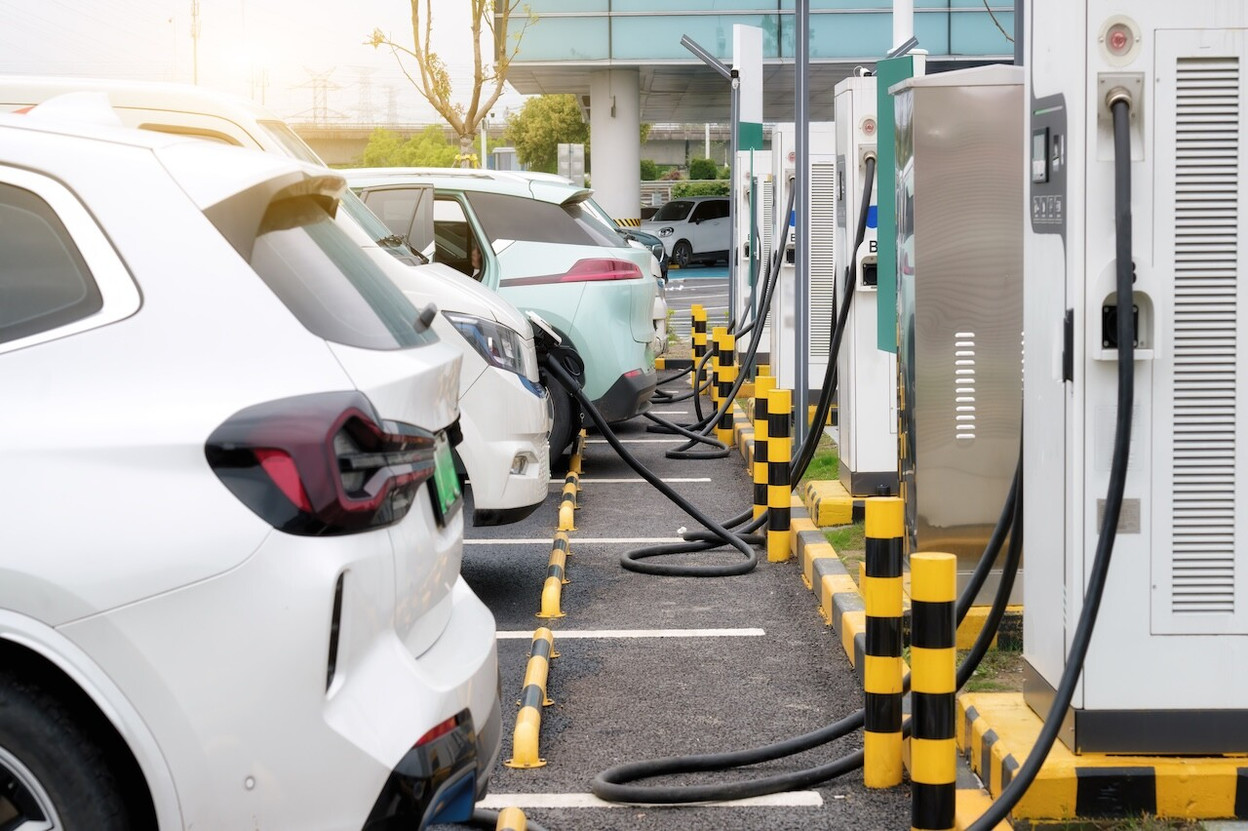
On paper, the country is ahead of the game. The A1, A3 and A6 motorways, which form the Luxembourg section of the trans-European network, are now all equipped. Seven service areas feature a total of 51 SuperChargy ultra-fast charging points, with at least six charging points per site. This coverage already enables the Grand Duchy to meet the minimum European requirements, notably one station every 60 kilometres with sufficient power.
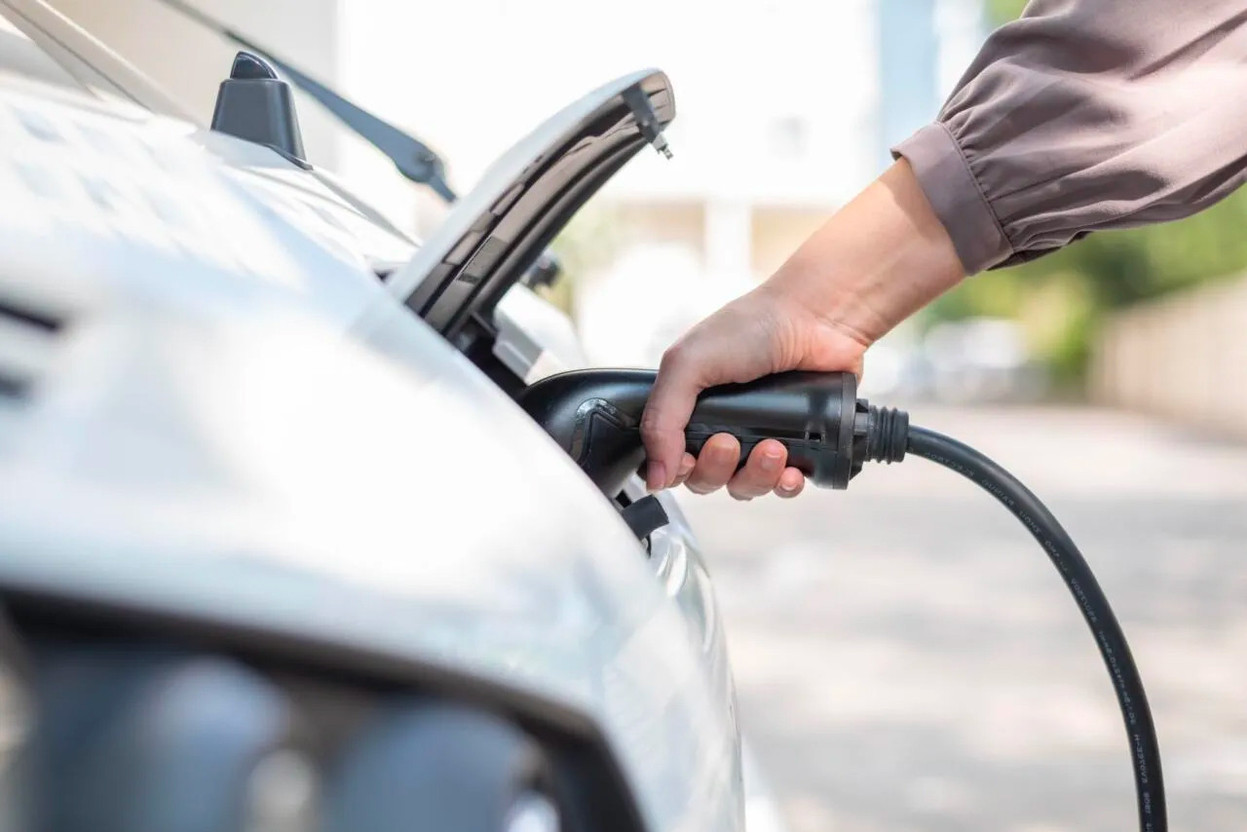
But this compliance masks a more fluid reality. The transition to electric vehicles requires a shift in scale. A study commissioned by the Ministry of the Economy concludes unequivocally that there is “a need for a widespread expansion of charging infrastructure”. In other words, the current network will not be sufficient to cope with the expected surge in the number of electric vehicles. For the time being, no specific timetable has been put forward. The identified needs must be incorporated into future calls for tenders for motorway service stations. The first concrete deadlines are only hinted at, with the Berchem concessions expected in 2029. Until then, it is difficult to know where and when new capacity will be introduced.
A call for proposals with a budget of 5 million
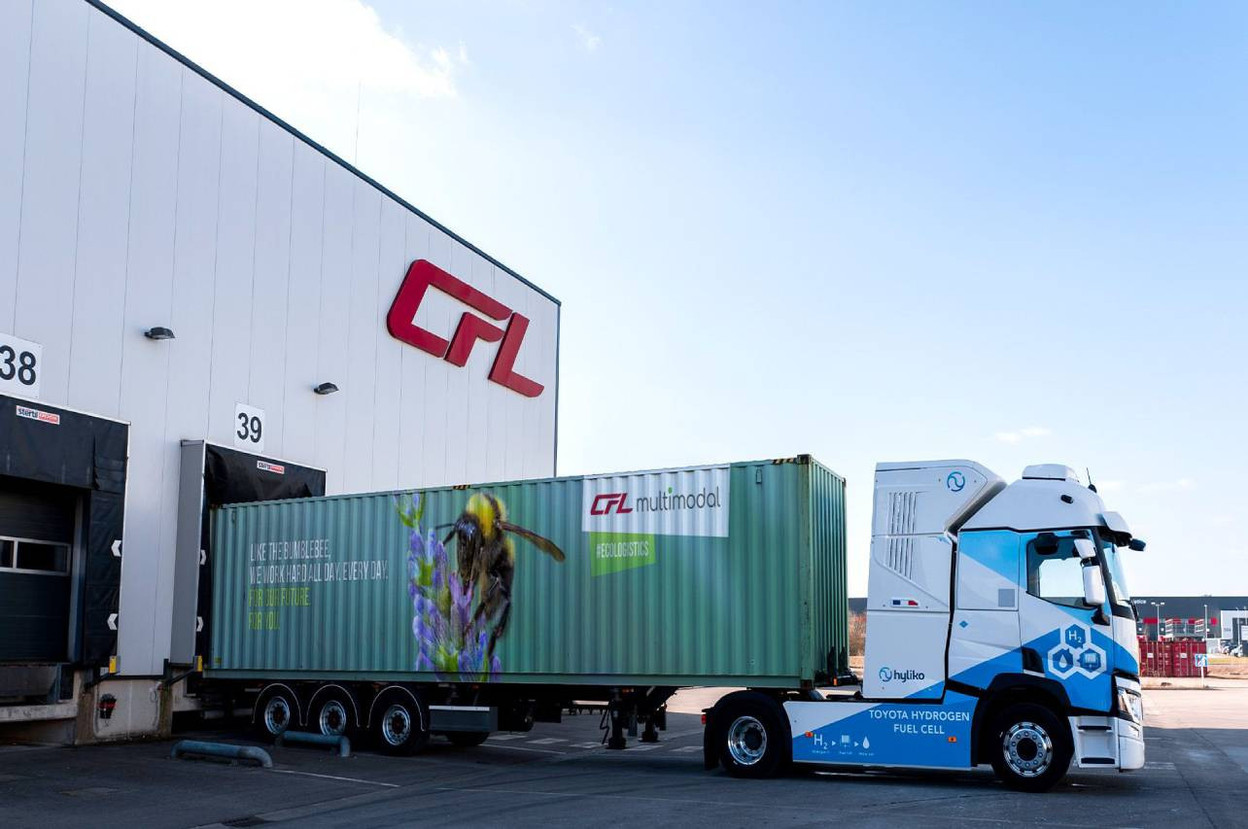
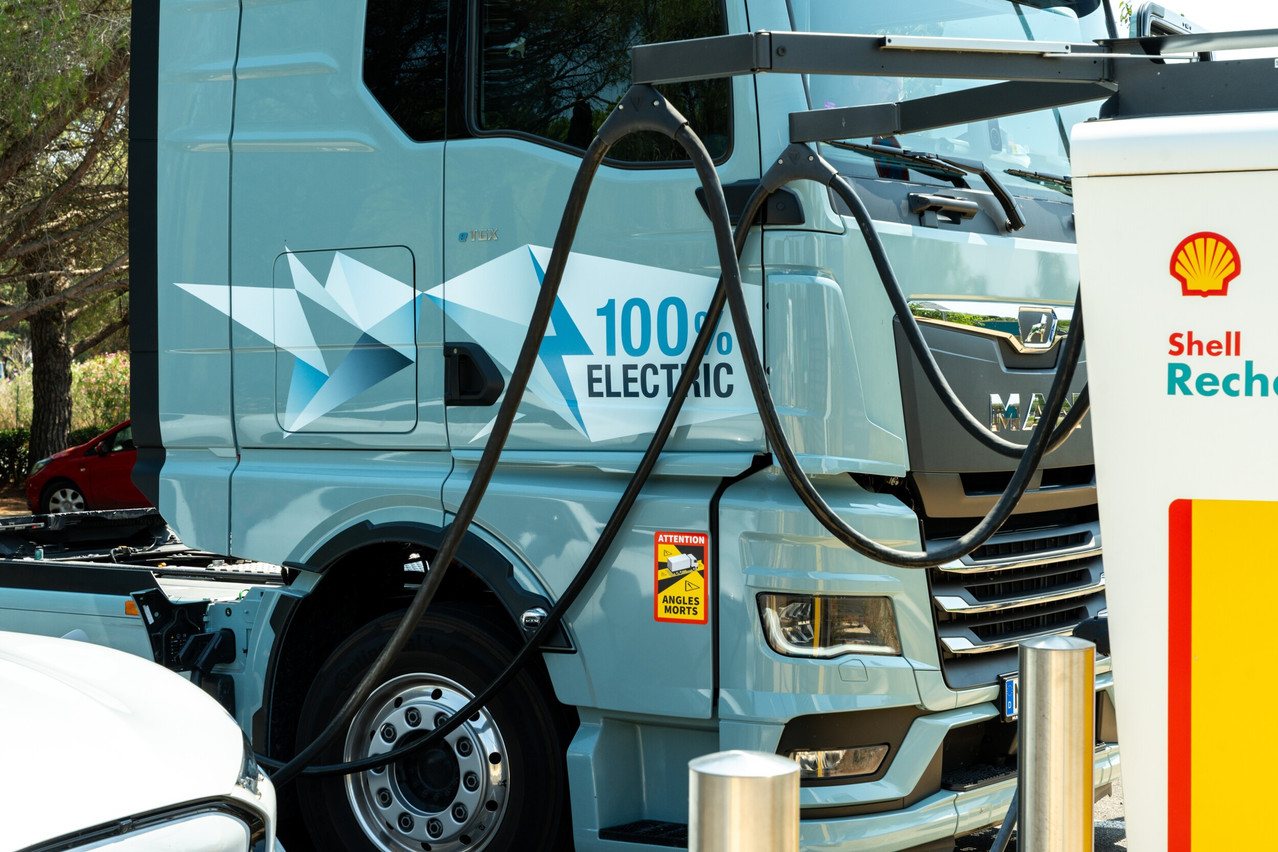
The delay is even more pronounced in the heavy-duty vehicle sector. Here too, Brussels is setting the pace: by 2030, dedicated charging stations must be installed every 60 kilometres, with a total capacity of at least 3.6 megawatts. Luxembourg says it is preparing for this, but is postponing most of the decisions until later, pending the findings of the ongoing study.
Nevertheless, some signs are beginning to emerge. A call for proposals launched in early 2026, with a budget of €5 million, specifically targets infrastructure for electric lorries. Companies can receive grants of up to 70% for installations of at least 175 kW. Results are expected ‘shortly’, though no further details have been provided.
The MP behind this sequence