Regulatory and technological developments are transforming banking professions more than ever. Some tasks are becoming automated, new areas of expertise are emerging, and certain roles are being redefined. For an employer like Spuerkeess, where employees have an average length of service of sixteen years, supporting these changes requires a long-term approach.
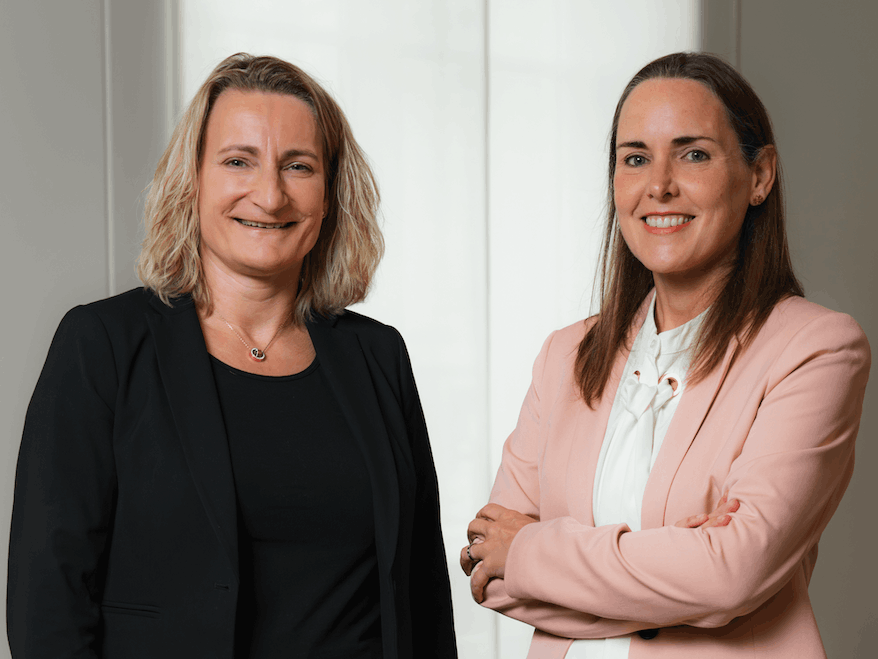
“Our status provides a high degree of job security. But it also means we have a responsibility to invest in our employees so they can adapt, develop their skills and remain engaged,” says Sandra Schengen, Head of HR & People Management at Spuerkeess. Beyond meeting the bank’s operational needs, this commitment also reflects employees’ expectations. “They want to deepen their expertise, explore new roles or take on greater responsibilities.”
Anticipating future skills needs
In this context, the real challenge lies in aligning employees’ career aspirations with the organisation’s needs. To achieve this, the bank has laid the foundations for a forward-looking approach to workforce and skills planning. “We continuously seek to identify the skills we already have, determine which ones need to be developed and assess whether our capabilities are being deployed where they are most needed. This understanding allows us to better target training programmes and offer employees meaningful career prospects,” Sandra Schengen continues.
Our status provides a high degree of job security. But it also means we have a responsibility to invest in our employees so they can adapt, develop their skills and remain engaged,

This skills mapping helps identify the capabilities that will be essential in the future, including cybersecurity, change management and regulatory expertise. “Based on this assessment, we can design training pathways tailored to individual professions, anticipating future requirements. These are complemented by cross-functional programmes aligned with the bank’s strategy,” explains Alexandra Turner, Head of Spuerkeess Academy.
Empowering employees to embrace continuous learning
“Our aim is to strengthen a culture in which employees take ownership of their professional development. This means encouraging curiosity and a willingness to keep learning, while also providing the training budget, tools, knowledge and practical skills they will need in the bank of tomorrow,” Alexandra Turner emphasises.
Our aim is to strengthen a culture in which employees take ownership of their professional development. This means encouraging curiosity and a willingness to keep learning, while also providing the training budget, tools, knowledge and practical skills they will need in the bank of tomorrow.

Managers play a crucial role in fostering this culture. Their support helps teams understand ongoing transformations and find opportunities to develop. “That is why we support our managers through leadership programmes, peer development initiatives and coaching,” explains Sandra Schengen. “They have a responsibility to explain changes, guide their teams and, at times, help ease concerns. Adapting takes time, and it is important to be mindful of how each individual experiences change.”
Creating different paths for career development
Career development can now take many forms. While some employees gradually specialise in their field, others choose to move into entirely different professions. For the bank, the priority is to support these individual career transitions.
To facilitate this, Spuerkeess has begun outlining examples of career pathways, identifying the training opportunities that can help employees move between roles. “These pathways are intended to inspire employees and make the available opportunities easier to understand, while leaving room for them to explore other directions,” explains Sandra Schengen. “Every internal mobility project involves assessing the employee’s skills and how well they match the requirements of the prospective role.”
For example, some employees previously working in commercial roles have moved into internal audit. Their understanding of banking activities provided a solid foundation on which to build the methodological skills required for auditing. Other transitions have seen employees with IT or project management backgrounds move into business functions. “We encourage internal mobility and support employees with the development opportunities they need to succeed in their new roles,” adds Alexandra Turner.
Recognising expertise and encouraging knowledge sharing
Sandra Schengen also points out that not every employee aspires to a management position. “To enable everyone to progress in line with their aspirations, we need to rethink traditional approaches to career development by placing greater value on expertise, strategic roles and knowledge sharing,” she explains.
The bank has also introduced a mentoring programme, which currently includes 28 active mentor-mentee pairs. “Mentoring is about sharing professional expertise, but also passing on the bank’s culture and knowledge of its internal network. These aspects are invaluable when it comes to developing a career within the organisation,” says Alexandra Turner.
Encouraging intergenerational exchange
With four generations working side by side, Sandra Schengen also highlights the importance of two-way knowledge sharing. “Knowledge transfer should not be a one-way process. On the contrary, we encourage new employees to bring fresh perspectives, while the experience of established colleagues helps drive improvements in the way we work,” she explains.
Through these initiatives, the bank aims to preserve its expertise, strengthen its ability to adapt and retain its employees. For staff, this support opens up new career opportunities and gives them greater control over how they navigate change. “Being prepared for change allows people to approach it with greater confidence and recognise it as an opportunity for personal growth,” concludes Alexandra Turner.
Want to learn more? Access all Spuerkeess content here.