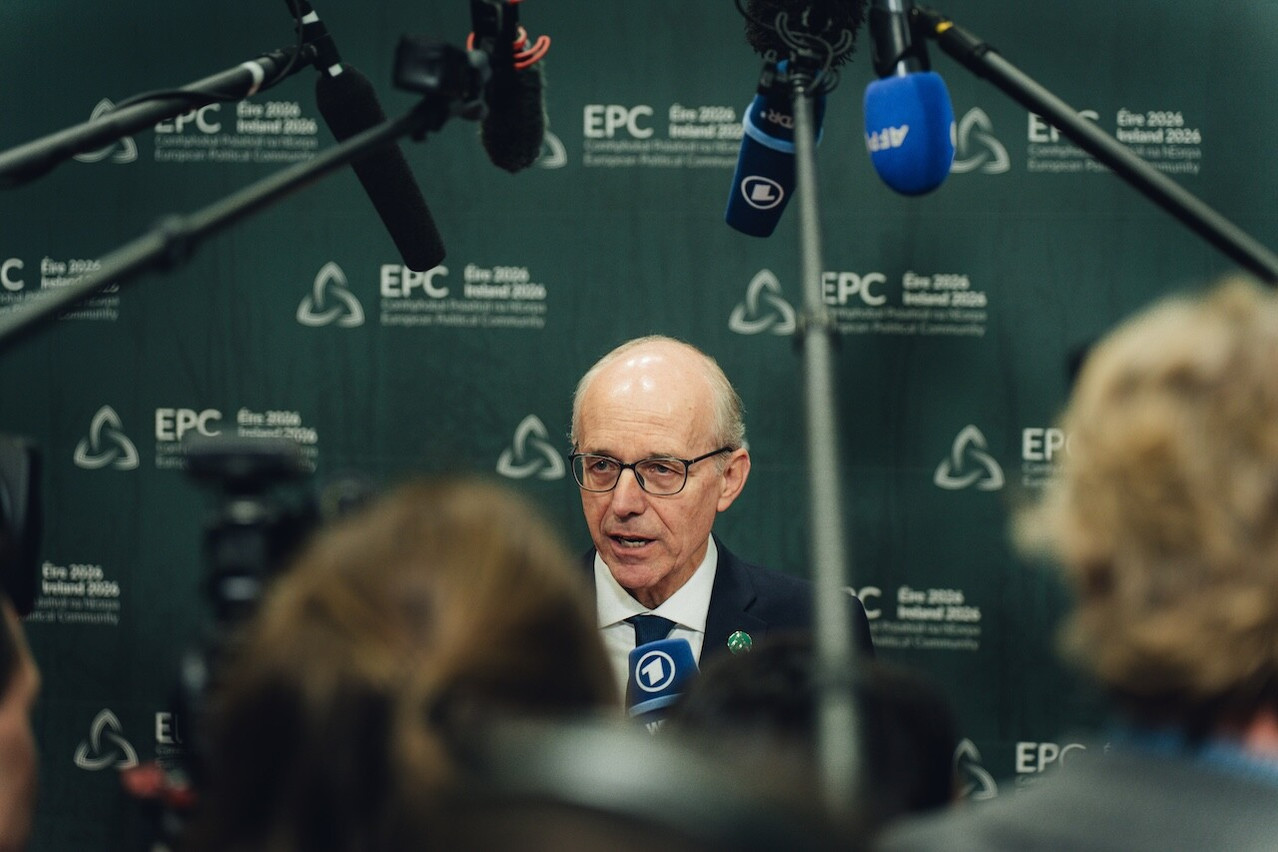
At the informal meeting of the European Council in Dublin on the 9th European Political Community Summit, 13 November, the Prime Minister, 
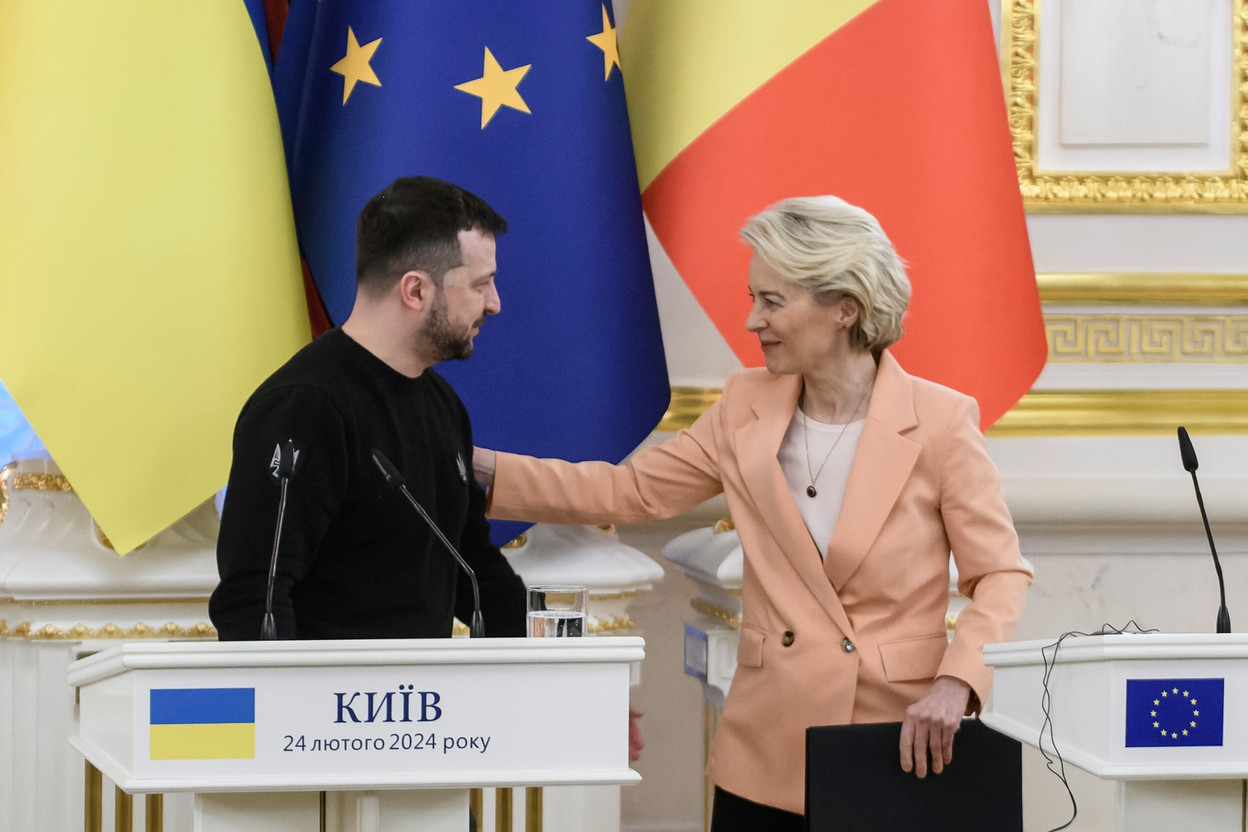
Five days later, the Commission proposed a new loan which would be in addition to the €45bn already earmarked for 2027 under the first loan. €20bn would go to the Ukrainian state budget and €25bn to military aid. The Commission would borrow on the markets with a guarantee from the European budget. The government had supported this mechanism for the first loan. Brussels estimates Ukraine’s additional funding requirements for 2027 at €70bn and is counting on Kyiv’s other partners to cover the remaining €25bn.
Luc Frieden with the volunteers
The Prime Minister will travel to Berlin this Thursday, 19 November, at the invitation of German Chancellor Friedrich Merz, for a meeting of the Coalition of the Willing organised with French President Emmanuel Macron and British Prime Minister Andy Burnham. According to the government, the leaders will take stock of diplomatic efforts, the security guarantees to be provided to Ukraine and the continuation of international support. Luc Frieden will reaffirm Luxembourg’s commitment to a just and lasting peace, based on respect for international law, Ukraine’s sovereignty and territorial integrity.
Four capital cities are holding up the agreement among the 27
Hungary, Slovakia and the Czech Republic had secured an exemption from the first €90bn loan, in which Luxembourg and 23 other Member States are participating. The three capitals wish to retain this exemption.
In Prague, Andrej Babiš has called for aid to Kyiv to be considered separately from the next EU budget. In Budapest, Péter Magyar has criticised the use of the EU budget to fund Ukraine. Slovak Prime Minister Robert Fico, for his part, accused Friedrich Merz of “blackmail” after the German Chancellor linked the sharing of the burden to the adoption of the next multiannual budget. Bulgaria, which had participated in the first loan, is this time refusing to make a financial commitment. In Dublin, Prime Minister Rumen Radev cited the state of the country’s reserves and gave assurances that Sofia would not stand in the way of decisions taken by other Member States. He said he was prepared to discuss support for humanitarian aid, electricity supplies and health services.
On the agenda of the next European Council meeting
To win over reluctant governments, Ursula von der Leyen raised the possibility of limiting their participation to the civilian component. Unanimous agreement still needs to be reached in the Council on amending the European financial framework, which would enable the new loan to be guaranteed. Each Member State can, therefore, block this guarantee.
Ukraine would only be required to repay the principal once the Russian reparations have been paid. The Commission also proposes that future windfall revenues frozen Russian assets may contribute to the repayment. In December 2025, Luc Frieden had called for Member States to share the risk of a Russian legal claim should the assets themselves be seized. Funding for Ukraine will be on the agenda of the European Council meeting on 26 and 27 November.
When asked about the details of the new loan scheme, the Luxembourg government had not yet replied to our questions at the time of publication.