Support for startups
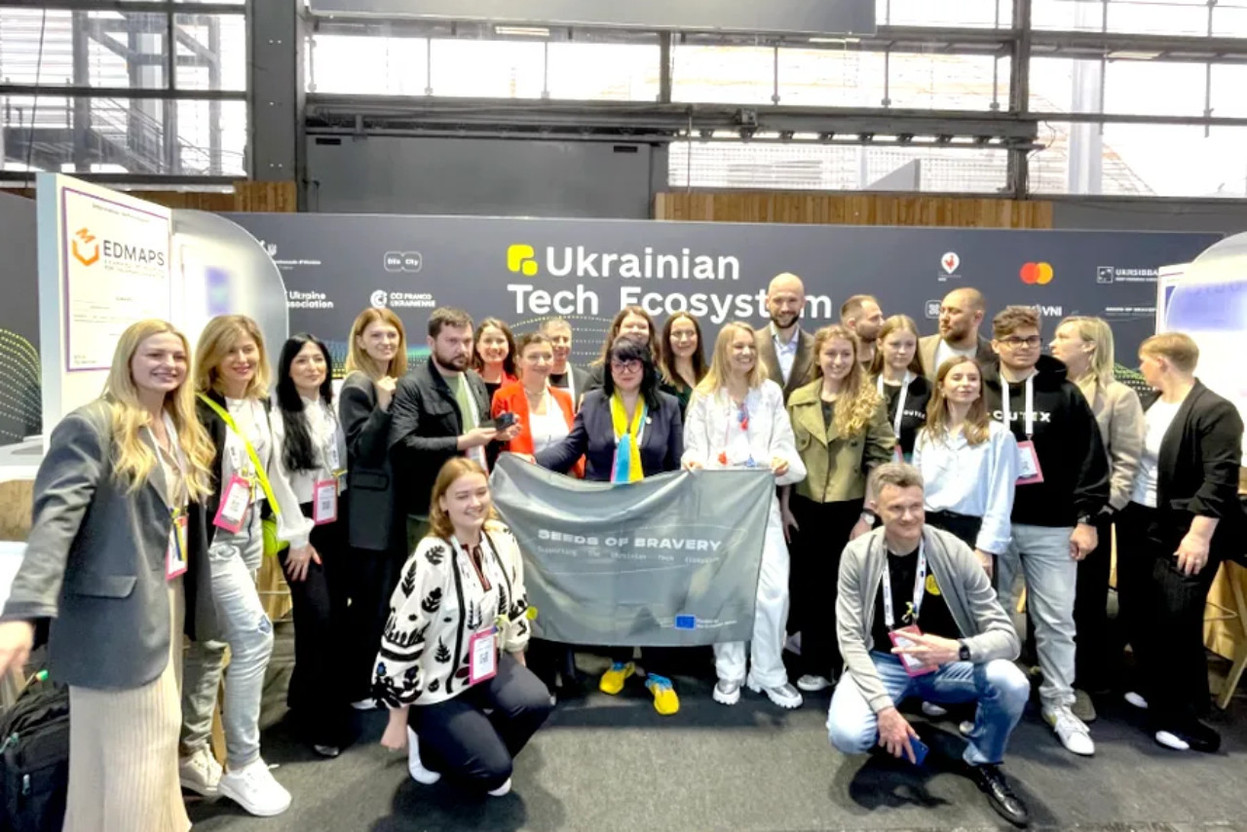
Luxembourg in June 2024 welcomed a delegation from Ukraine for its Nexus2050 tech conference. Read about Softbees, a Ukrainian startup helping banks with digital transformation, Technovator’s goals for quantum charging technology, Howcow’s plans to make farms more efficient, or Salee, a startup that aims to use artificial intelligence to help clients tailor their outreach. “We have to fight and innovate at the same time,” said a member of the Ukrainian delegation during a panel discussion.
This autumn, the European “Seeds of Bravery” programme awarded €1.25m to 38 Ukrainian startups--including some based in Luxembourg--to support technological innovation. Coordinated by the grand duchy’s national innovation agency Luxinnovation and 18 other organisations, the consortium aims to bring these Ukrainian companies closer to the European Union.
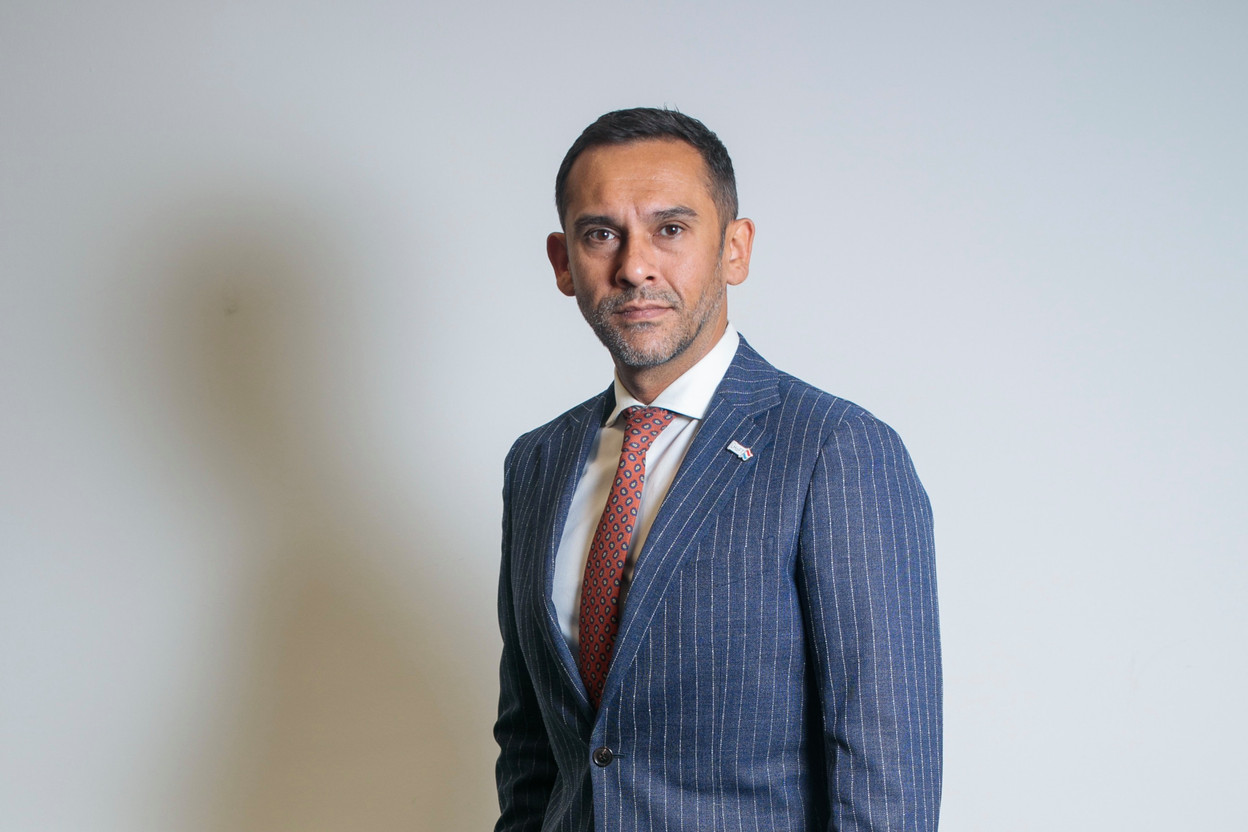
The Luxembourg House of Financial Technology (Lhoft) has, since 2018, organised Catapult programmes focused on Africa and Southeast Asia. Another edition of the acceleration programme, which took place in Luxembourg from 14 to 18 October 2024, focused on Ukraine. “Catapult: Inclusion Ukraine is designed to foster business growth and to build resilience among Ukrainian fintech startups,” Lhoft CEO Nasir Zubairi told Paperjam in an interview. The winning startup Handstree, led by Alex Kuvallini and Lia Ivolhina, are launching their crowdfunding platform to create an online community for transparent and decentralised charity, explained the Lhoft. They aim to transform philanthropy.
Finally, read about Denis Dovgopoliy and how he’s traveled 250,000km for Ukrainian startups.
Building business connections
The second edition of the Rapid Recovery of Ukraine forum took place in Luxembourg in May 2024, bringing together representatives of EU and international financial institutions, politicians, Ukrainian government officials and people from the finance and business world. Panellists discussed the reality of running a business in Ukraine, argued that “investing in Ukraine is investing in Europe’s future” and talked about how to finance energy efficiency and decarbonisation in Ukraine, an important topic given the EU’s Green Deal and Russia’s continued strikes on Ukraine’s energy infrastructure. (Russia, for example, targeted Ukraine’s energy infrastructure with missiles and drones during an attack on Christmas Day.) For Evgenia Paliy, president of the Luxembourg-Ukraine Chamber of Commerce, investing in Ukraine needs to happen now.
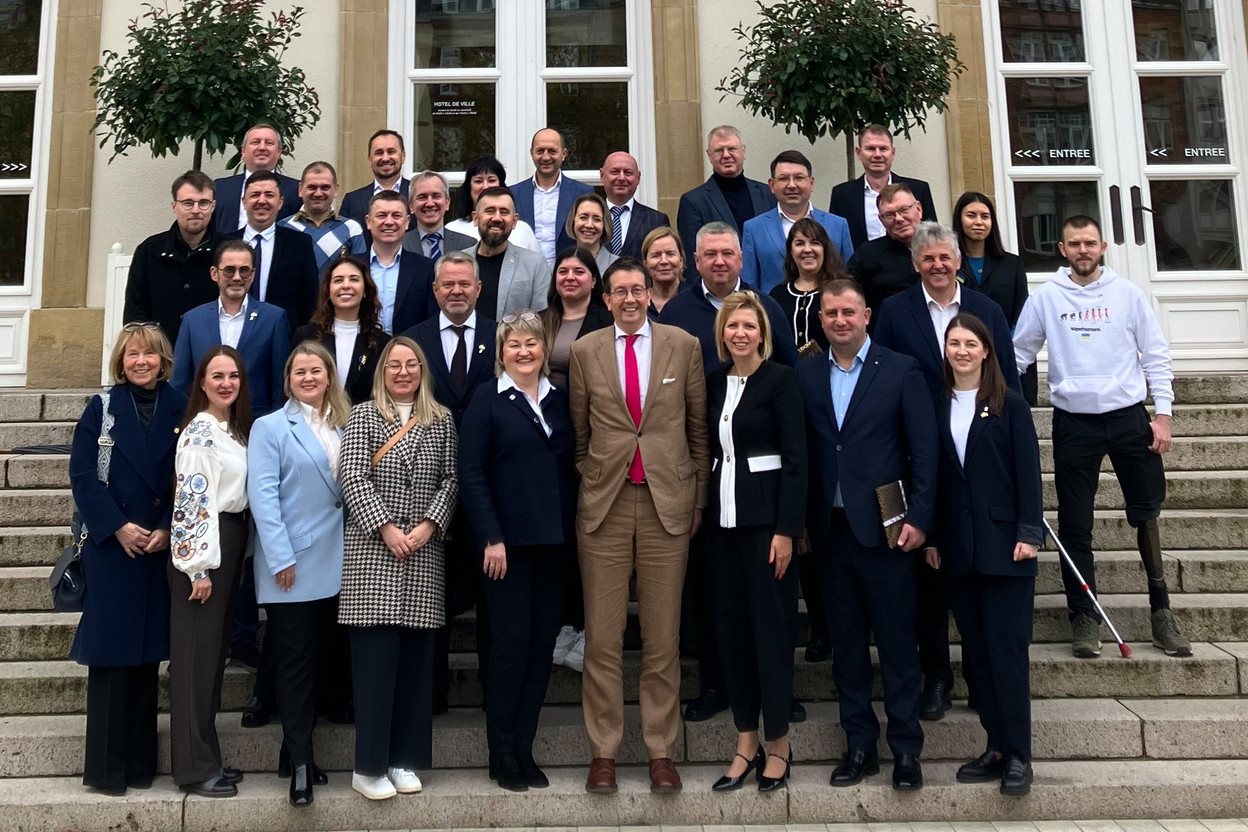
A separate forum, called Bridges of Solidarity, was organised by the commune of Strassen in November. It aimed to help cities exchange ideas about humanitarian and social initiatives and featured discussions on the role of local communities, rehabilitation projects as an integral part of recovery and new challenges in the humanitarian aid sector, with speakers coming from cities and associations both in Ukraine and Luxembourg. Ahead of the conference, Ukrainian mayors and NGOs shared some of their stories with Paperjam, talking about life in territory occupied by Russia, the challenges of adapting to prosthetics, goals for developing their regions and the importance of forging connections with partners in Luxembourg.
Progress towards EU accession is also key. “As the Ukrainian people, we see the future within the European Union,” said Olga Zykova, deputy minister of finance of Ukraine, during the Rapid Recovery of Ukraine conference. “The war itself made us stronger and more dedicated towards the things that were not even possible even 10 years ago in Ukraine.”
The bigger picture
“The future of Europe depends on Ukraine,” said Nicolas Zharov, president of the Lukraine association during an interview marking two years since the start of Russia’s full-scale invasion. He highlighted the importance of sanctions to prevent Russia from obtaining technology and weapons, tackling Russia’s shadow fleet, and continued western support for Ukraine.
Nicolas Mackel, who now serves as the permanent representation of Luxembourg to the EU, spoke during the European Funds Trophy ceremony in Paris in March 2024. Then the CEO of Luxembourg for Finance, he said in his keynote speech: “What we are living through… it’s probably the most dangerous times we’ve ever gone through since the Cuban missile crisis,” with geopolitical tensions, the rise of populism and a climate crisis. It’s been “two long years, with lots of suffering.” “But [the Ukrainians] are holding on strong,” said Mackel. “So we should hope that we and our American friends would continue to support them, because I really do not want to test whether Mr Putin actually wants to stop with Ukraine or not.”