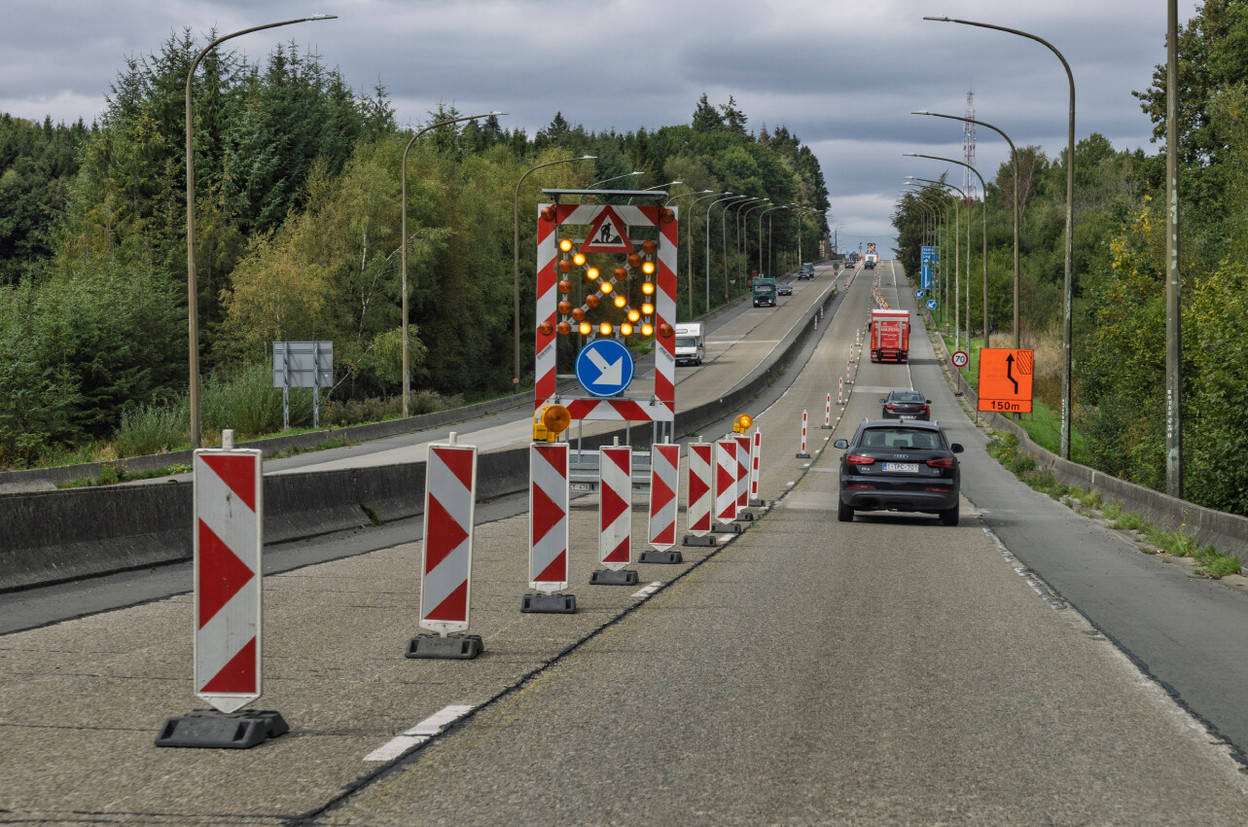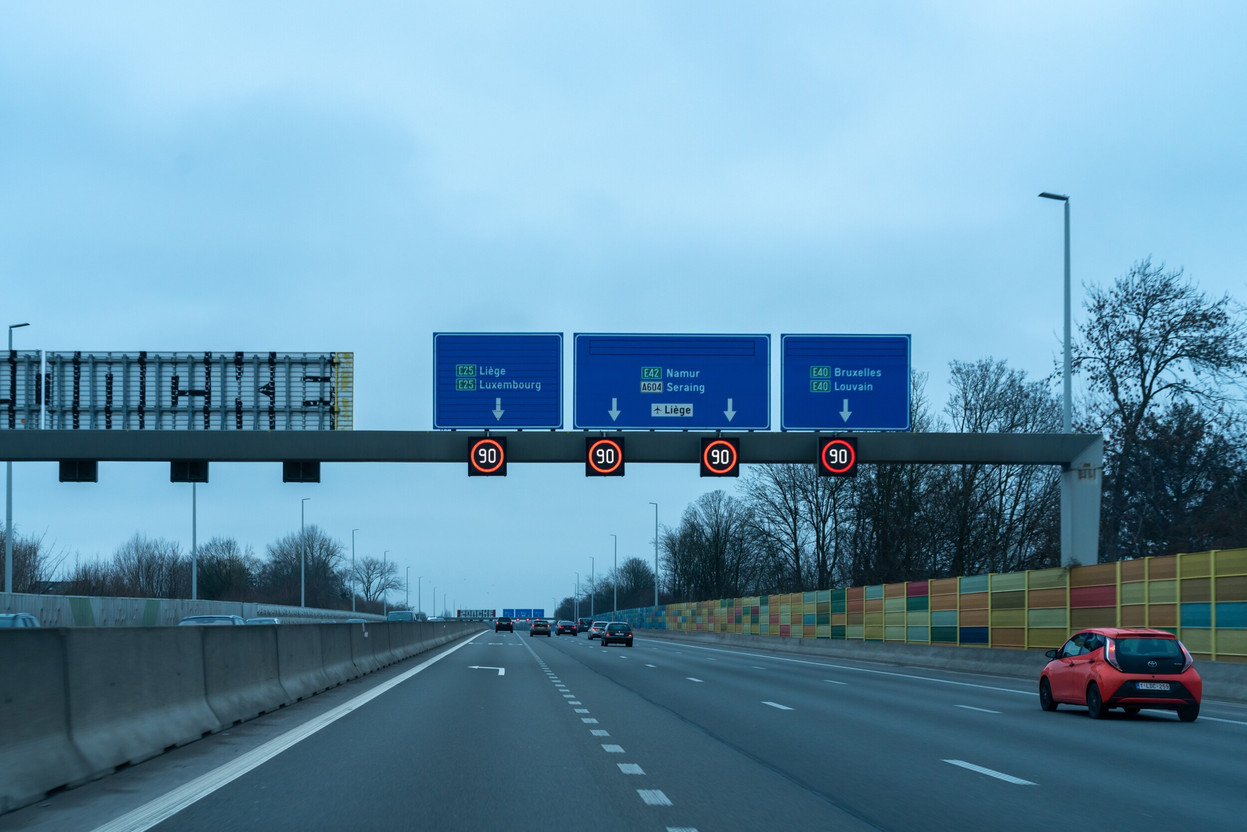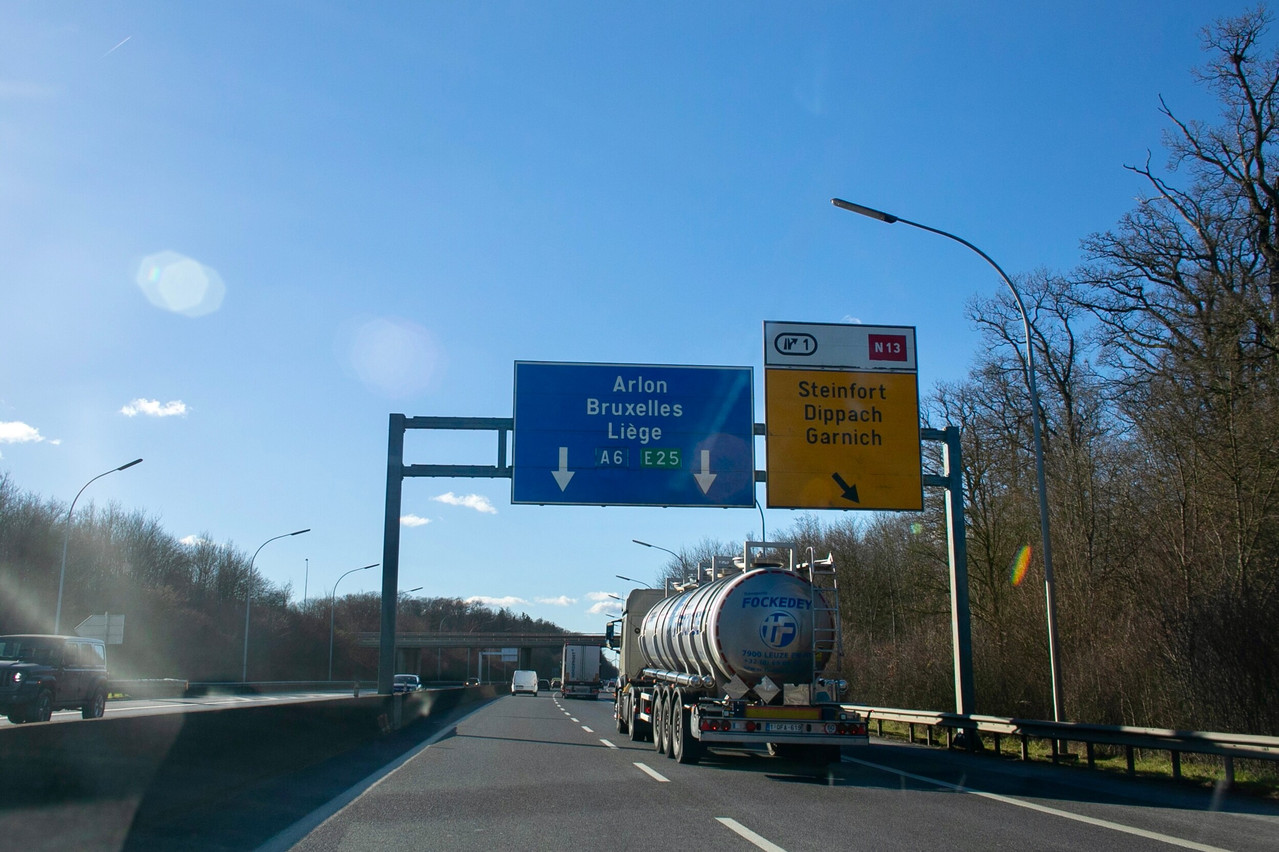
Two committees of the Benelux parliament are set to examine the impact of road vignettes in 2027, Luxembourg’s parliament announced on Tuesday 24 November. “During a series of recent meetings, members of the Luxembourg delegation ensured that the impact of vignettes on mobility and cooperation was included among the priorities of the finance and mobility committee and the cross-border cooperation committee,” parliament said.
The proposed priorities are expected to be approved on Saturday during the final plenary session under Luxembourg’s two-year presidency of the Benelux parliament, chaired by LSAP MP Francine Closener. Belgium will take over the presidency in 2027. Approval would not in itself change the proposed charges for motorists.
Dispute over border exemption
The Luxembourg government had asked Wallonia to consider establishing a charge-free zone along the border to preserve everyday journeys for work, shopping and access to services. It also expressed concerns about the impact on local businesses and the risk of traffic being diverted onto municipal roads.
The Luxembourg delegation to the Benelux parliament examined the request on 28 September. “Everyone must pay,” Walloon Mobility Minister François Desquesnes told L’Essentiel in an interview reported by Paperjam in October. His position was that road users should contribute to maintaining the network regardless of where they live.
Under the plans reported by Paperjam in October, a single digital vignette would cover the relevant road networks in Wallonia, Flanders and Brussels. An annual vignette would cost €100 for vehicles meeting Euro 4 or more recent emission standards, €125 for Euro 0 to Euro 3 vehicles and €90 for zero-emission vehicles. Occasional visitors driving vehicles meeting Euro 4 or more recent standards could purchase a 24-hour vignette for €9 or a ten-day vignette for €12.
The legislative process in Belgium is still under way. In Flanders, provisions introducing the vignette were included in the draft 2027 budget programme decree submitted to parliament on 28 October. The text remains under consideration by parliamentary committees this week.
The Benelux parliament’s plenary sessions will be broadcast live on Luxembourg’s parliamentary website from 14:00 on Friday and 10:00 on Saturday.