Size can open doors, but it cannot guarantee success. After absorbing AXA Investment Managers, BNP Paribas Asset Management is betting that broader capabilities and stronger distribution will help it win clients as rising costs and relentless fee pressure reshape the industry.
Bigger brings more invitations
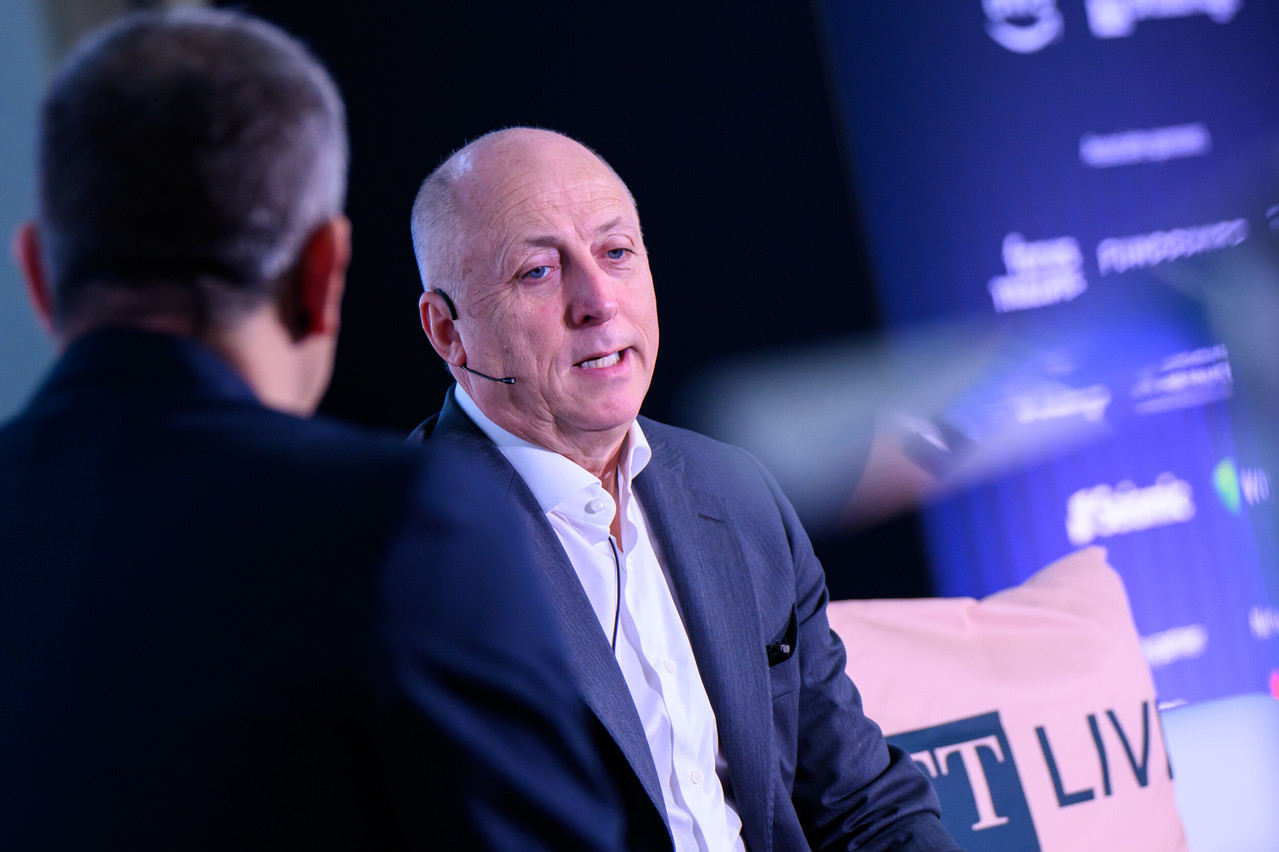
The acquisition, completed in July last year, is already expanding access to mandates, said Sandro Pierri, CEO, BNP Paribas Asset Management. Speaking at the Future of Asset Management Europe Conference organised by FT Live in London on 24 November 2026, he noted that the combined business attracted €32bn in flows in the first nine months of 2026, despite the demands of integration.
It is being invited to more tenders, while its insurance relationships with Axa and Cardiff and access to BNP Paribas's distribution network strengthen its reach. Technology and operational integration remain unfinished, and completing that work takes priority over further acquisitions.
For now, the emphasis is on organic growth and gaining market share. Any future deal would need to fill a strategic gap: adding assets alone would not justify it.
The fee squeeze demands a new mix
Scale offers protection against rising technology and regulatory costs. Yet assets under management are an incomplete measure of success, Pierri argued. Revenues, margins and growth matter more than a bigger headline figure.
Responding to a question on fee pressure, Pierri argued that you need ETFs and liquidity products to attract flows. “Then you need to add higher-margin alternative products to compensate [for the lower fees],” he said. Investment performance and client service remain essential, alongside a shift towards deeper partnerships with distributors and asset owners.
Active management eyes a comeback
Pierri expects ETFs to keep outpacing much of the market but sees opportunities for active equity and bond managers.
Energy security, technological change, geopolitics and demographics are creating sharper divisions between winners and losers. “Demographics is destiny in slow motion,” Pierri said. That disruption, he argued, should reward managers with the resources to identify them.
If you put AI in a messy process, you just make the mess a bit faster without generating efficiency
He also challenges the neat division between active and passive investing: an actively managed portfolio can use passive instruments. “The task is to combine tools around clients' objectives.”
AI needs more than faster processes
Artificial intelligence could deliver savings beyond those targeted through the merger, which contain little allowance for AI benefits, Pierri noted.
Early applications are saving portions of employees' time. Turning those gains into efficiencies requires redesigning entire processes, rather than simply adding tools.
“If you put AI in a messy process, you just make the mess a bit faster without generating efficiency,” Pierry stressed.
Proprietary data also offers potential in private markets, although cybersecurity and governance warrant caution.
Europe needs a larger home market
The wider constraint is Europe's fragmented market. US rivals benefit from a vast domestic base, while European managers still face barriers despite fund passporting.
Greater harmonisation, simpler rules and accessible products could help channel savings into investment. Building European champions, the chief executive suggests, requires a market in which they can grow.