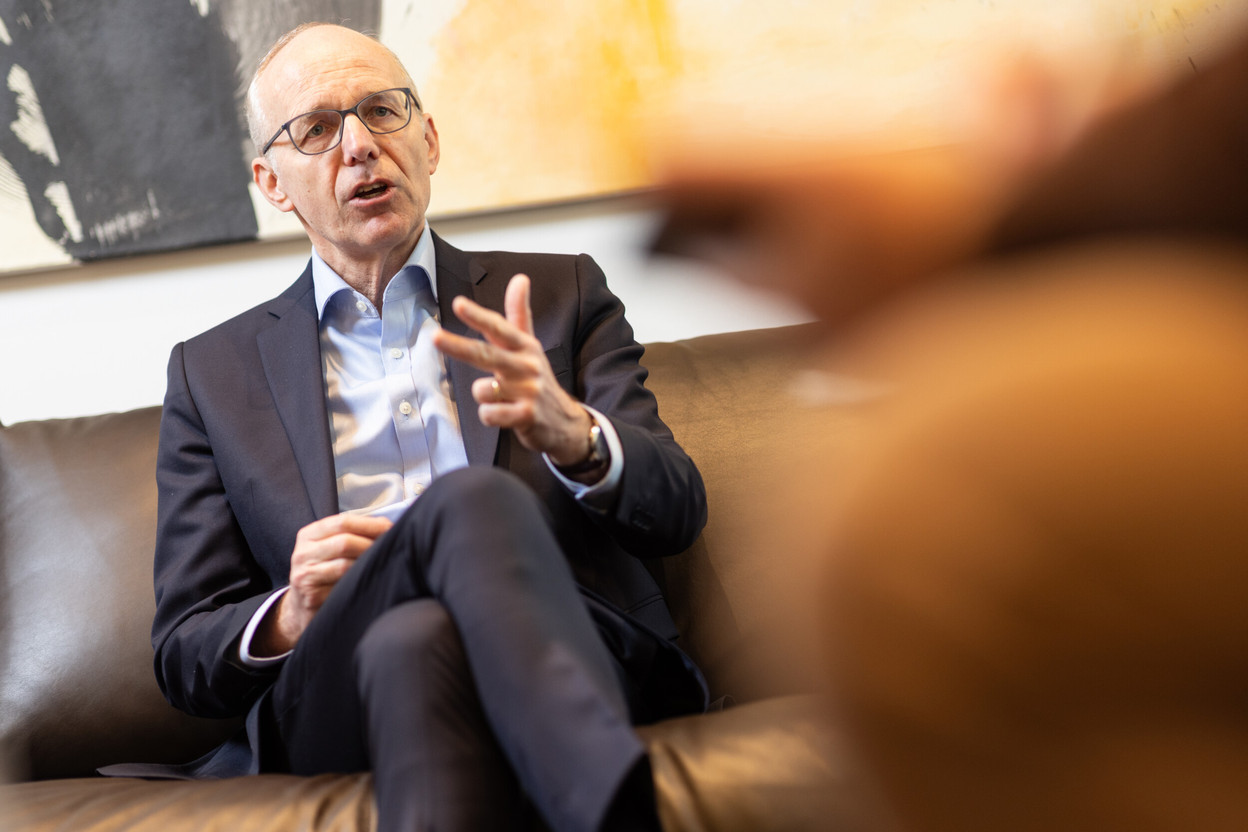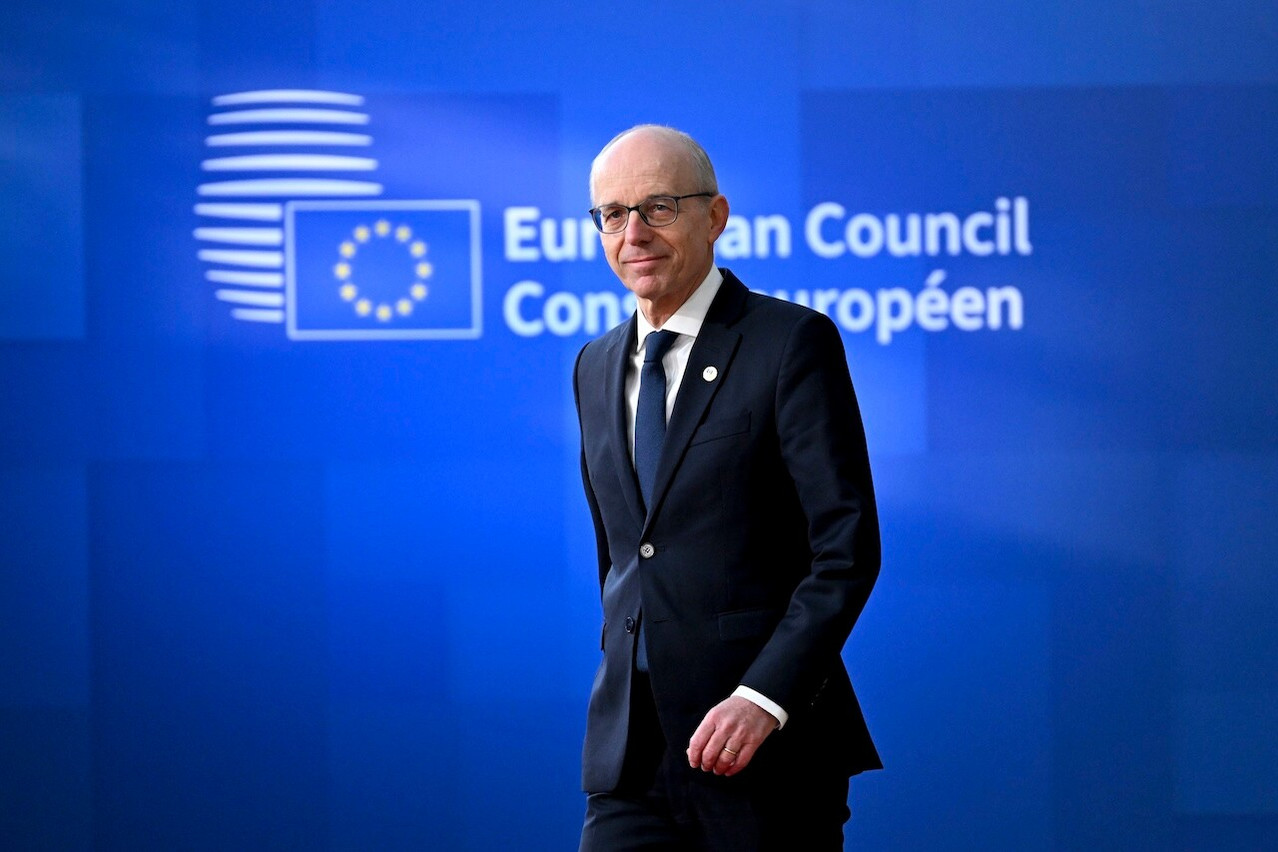
“We need a budget. And to get a budget, we have to be prepared to make compromises.” As he left the European Council meeting after midnight in Brussels, the Prime minister, 
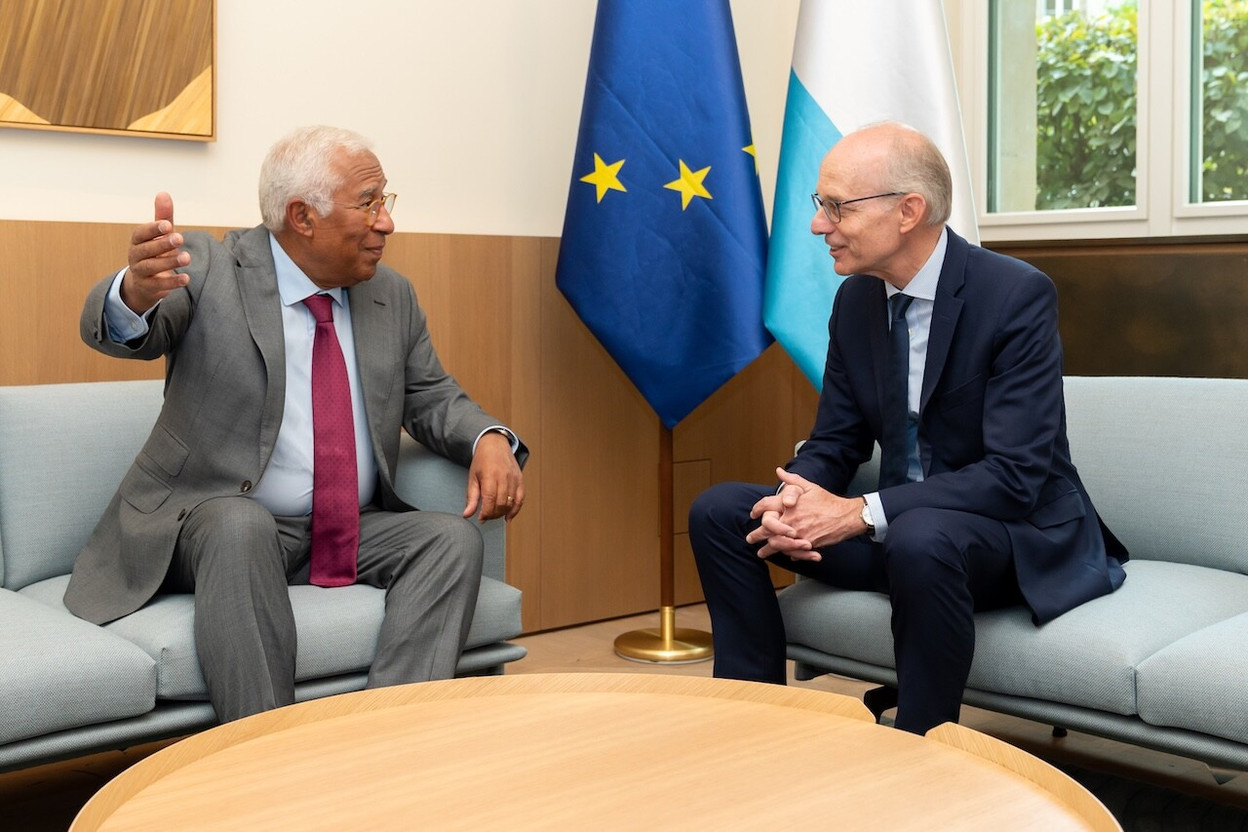
The president of the European Council, António Costa, had already cut €204bn from the European Commission’s initial proposal. Germany and the Netherlands are calling for further savings to keep their national contributions down. Emmanuel Macron considers the cuts already proposed to be excessive, whilst several member states refuse to reduce funding for cohesion policy. Luc Frieden, for his part, is calling for a “realistic budget” that safeguards agriculture and cohesion whilst funding research, innovation and competitiveness.
In an effort to bridge the differences, António Costa had organised small-group discussions. Luc Frieden found himself in a group with his Greek, Danish, Hungarian and Croatian counterparts. A group composition which, in his view, was ill-suited to the task. “In my group, therefore, this did not lead to any progress.”
This setback does not prevent the Prime minister from “continuing to support President Costa’s work”, despite two significant points of disagreement.
Tobacco and discounts: two points of disagreement for Luxembourg
The first of these points of disagreement remains the new EU tobacco tax. “For Luxembourg, this proposal, as it stands today, is unacceptable.” Luc Frieden says he is open to the idea of transferring part of the national excise duty on tobacco to the EU. However, he believes that the proposed formula would mean the Grand Duchy would contribute proportionally more than the other member states.
The Prime Minister also questions the continuation of the rebates enjoyed by certain countries on their contributions to the EU budget. He questions the fairness of a system that would require certain Member States to pay more whilst maintaining these rebates. He intends to continue discussions with António Costa in the coming weeks and is awaiting the precise details of the new revenue streams before quantifying their impact on Luxembourg.
Europe will not collapse if we reach an agreement in January or February.

The next European Council meeting, on 17 and 18 December, will provide an opportunity to resume discussions. Emmanuel Macron wants to reach an agreement before the end of the year, as the French presidential campaign approaches. Luc Frieden also hopes for an agreement in December, whilst playing down the consequences of a delay. “Europe will not collapse if we reach an agreement in January or February,” he said.
The Prime minister is calling on member states to assess the budget in terms of what it enables them to achieve together, particularly in the areas of security, climate action and the protection of external borders. “If Europe weren’t important, we wouldn’t be spending so many hours negotiating its budget.”