MEPs approved the European Union’s (EU) 2027 budget by 406 votes in favour, 184 against and 69 abstentions on Wednesday 25 November. It provides for €199.7bn in commitments and €211.5bn in payments. Parliament secured an additional €300m compared with the Commission’s draft, notably for research, transport and energy networks, and Erasmus+. This vote completes the adoption of the final annual budget under the 2021–2027 financial framework.
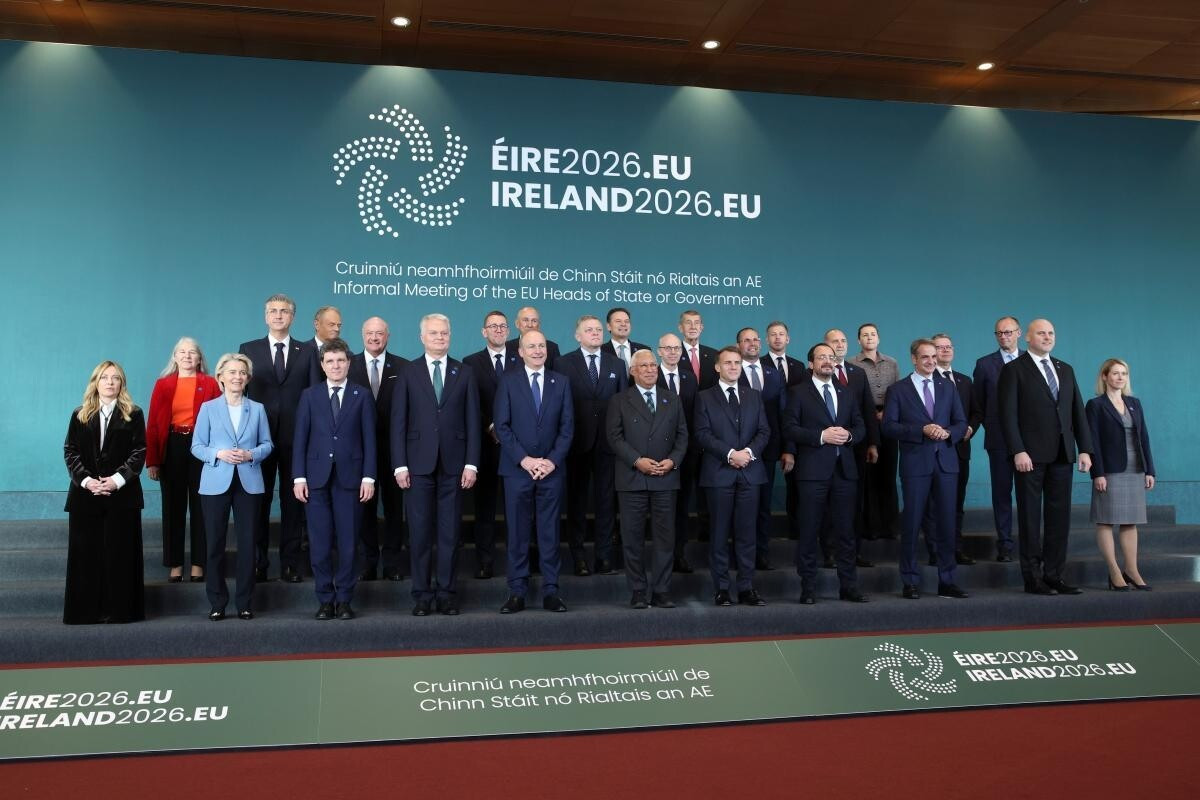
And from Thursday 26th, at the Brussels summit, leaders will discuss the next step: the 2028–2034 multiannual financial framework. For Luxembourg, the negotiations focus as much on the resources the EU needs as on how to finance them. In October, the minister for European Affairs, 
At the last European summit in October, the Prime minister, 
Five ways to limit national contributions
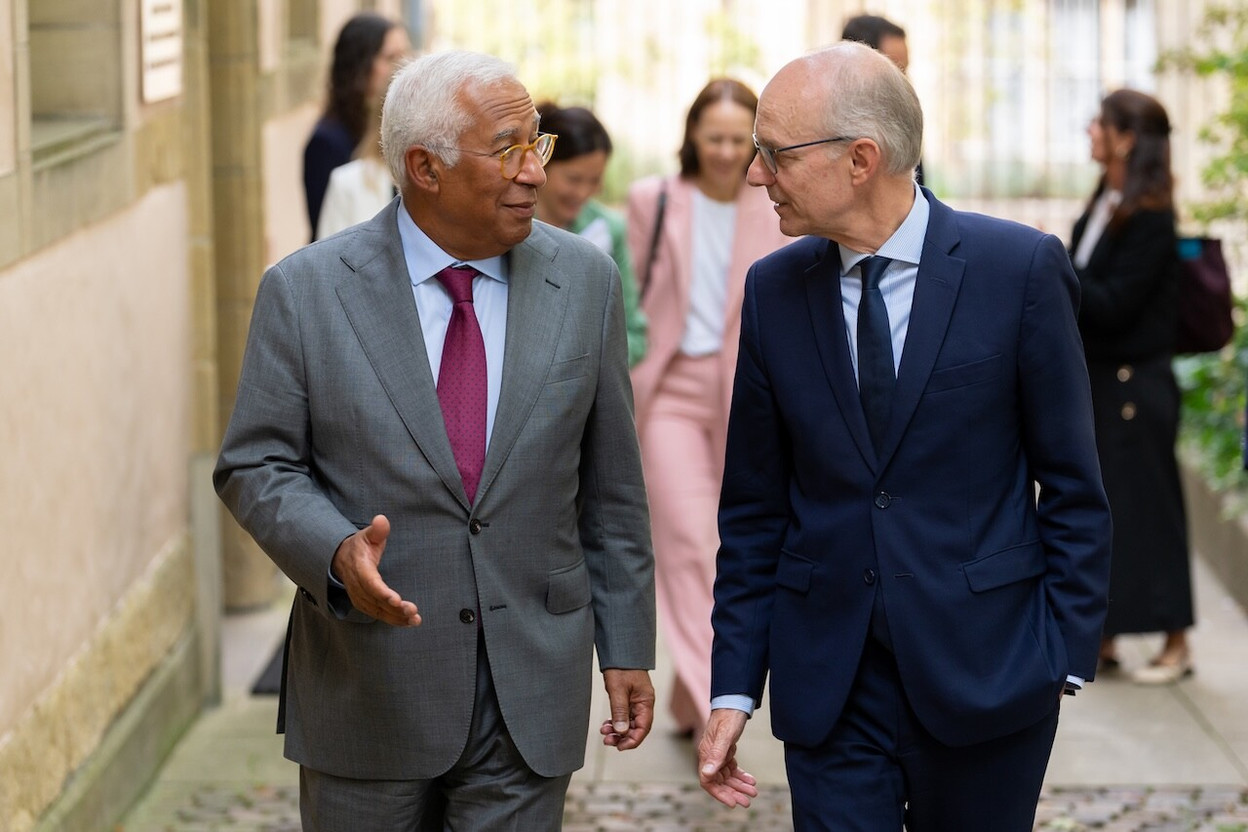
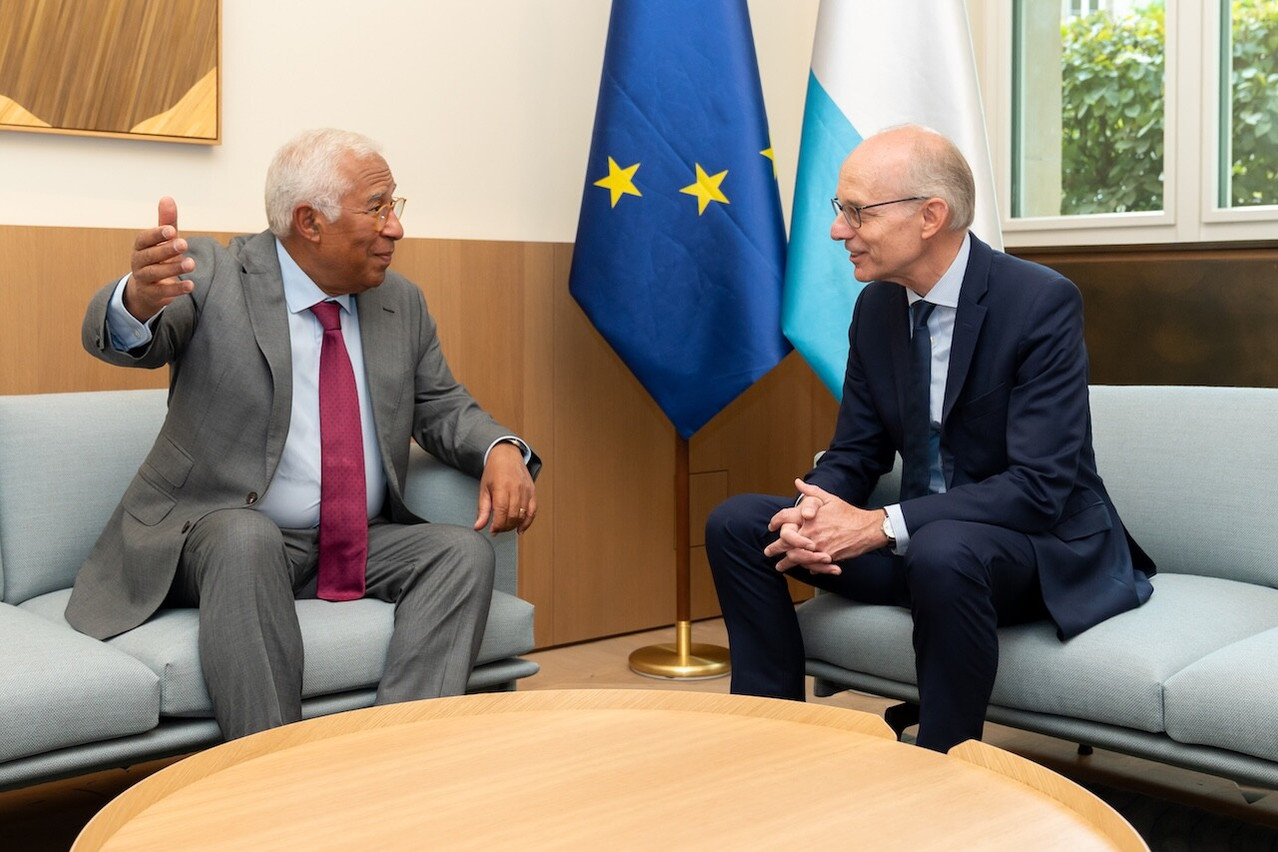
The compromise put forward by António Costa on 21 November seeks to place these two concerns at the heart of the discussion. The president of the European Council is proposing a budget of €1,781bn over seven years, which is €204bn less than the Commission’s initial proposal. He is also relying on five new sources of revenue to limit the increase in national contributions, which, according to his estimates, would rise, on average, from 0.80% to 0.82% of gross national income. These revenue streams would consist of a tax on digital services; a tax on tobacco and related products; a tax on electronic waste; the transfer to the EU budget of 30% of the revenue from the Emissions Trading Scheme (ETS 1); and the allocation to the EU budget of 100% of the revenue from the Carbon Border Adjustment Mechanism (CBAM).
The main new measure is a 3% tax on certain revenues generated by large digital companies, notably from online advertising and platform intermediation. It would target companies with both a global turnover exceeding €750m and a digital turnover within the EU exceeding €50m.
Tobacco: a bone of contention for Luxembourg
Luc Frieden had ruled out the idea of financing the EU budget through a levy on tobacco excise duties as early as April. António Costa retains this option in his compromise proposal. Each member state would pay a contribution calculated on the basis of the quantities of tobacco and related products released for consumption, applying the minimum excise duty rates in force in that country to those volumes. The contribution rate to the EU would be 15%. For the most affected member states, it would start at 5% in 2028, rise to 10% in 2031 and reach 15% in 2034. The text sets out the criteria for this transitional arrangement, but does not specify whether Luxembourg would benefit from it.
This contribution to the European budget is separate from the excise duty reform presented by the Commission in July 2025. The reform proposes raising the minimum rates on cigarettes and rolling tobacco and extending harmonised taxation to e-cigarettes, heated tobacco products and nicotine pouches. António Costa would like the reform to be finalised so that the new rules can come into force from 2028.
The debt from the recovery plan is putting pressure on the EU budget
The budget lines championed by Xavier Bettel are among those that the President of the Council is cutting back on compared with the Commission’s proposal. Horizon Europe would receive €158bn, down from the €175bn initially proposed. The research programme would nevertheless see a 57% increase in constant euros compared with the current cycle. At the same time, budgets from 2028 onwards will have to begin repaying the capital borrowed for the NextGenerationEU recovery plan. António Costa has earmarked €158bn over seven years to cover the principal, interest and fees. The Parliament wants to place this expenditure outside the spending ceilings to safeguard funding for the programmes.
In Brussels, Luc Frieden will find his partners divided. The German chancellor, Friedrich Merz, still considers the budget too high, whilst Paris regards the guarantees on agricultural aid as insufficient. For Luxembourg, the question will be what level of revenue it is prepared to accept in order to fund the priorities it advocates. On both the financial framework and the new own resources, the Grand Duchy, like each of the Twenty-Seven, will have to give its consent. The framework will also have to be approved by the European Parliament.