Do petrol stations in Luxembourg really sell petrol at prices below the authorised ceiling? The MP 

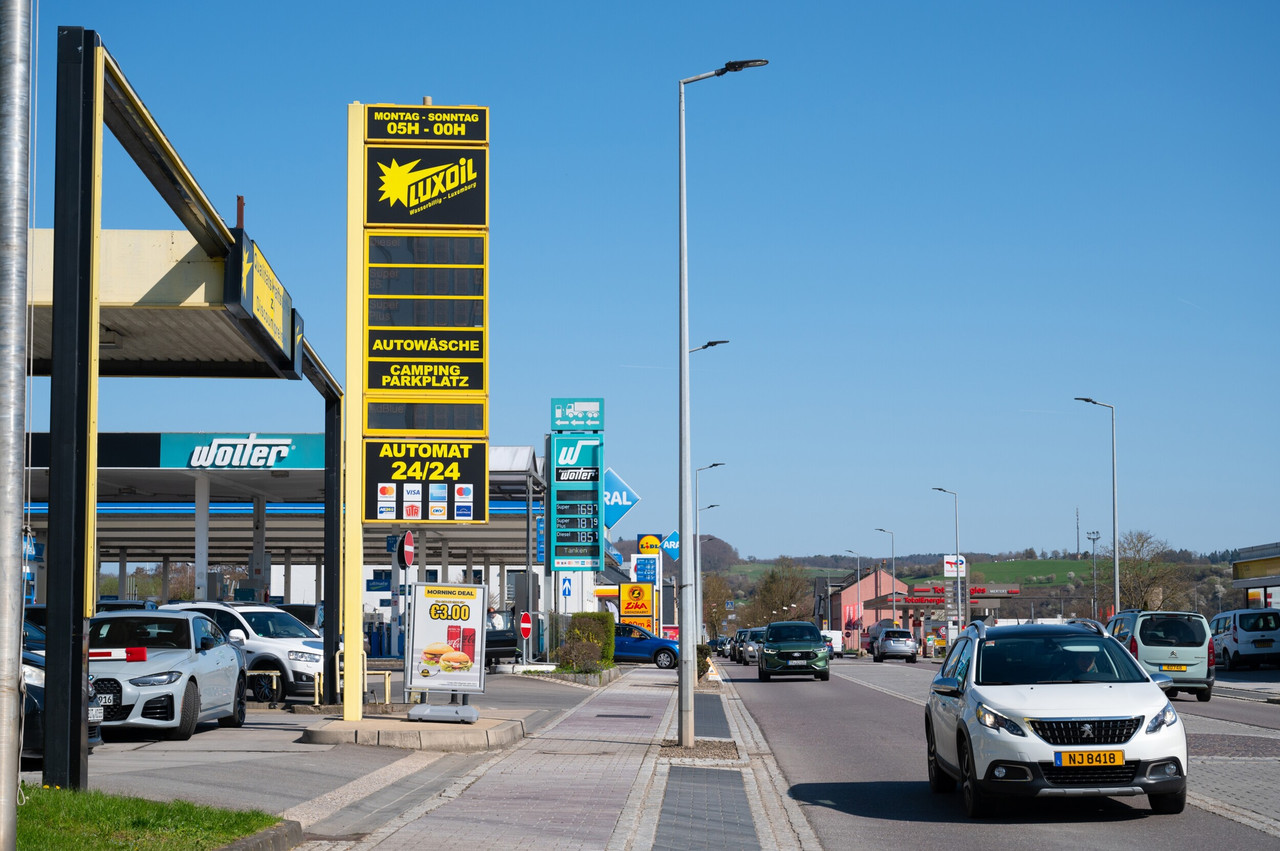
However, the price cap is calculated on a daily basis. “Under the terms of the programme contract, the maximum price above which no diesel or petrol may be sold in Luxembourg is calculated every day,” explains the minister. But this cap leaves some leeway for petrol stations: “Below this level, market forces apply and the retailer is free to set its own price.”
A slight change in distribution margins
Marc Goergen also questioned the minister about how competition works and any signs of collusion. “The Ministry of the Economy is not aware of any sector-specific investigation, nor of any notice or decision relating to the petrol station sector in recent years,” replied Lex Delles. This statement relates to the information available to the Ministry.
The Minister also points out that “limited price differentiation or similar pricing behaviour amongst market participants is not, in itself, sufficient to conclude that a cartel exists”. The independent Competition Authority may launch investigations within the scope of its powers.
The report finally quantifies the trend in distribution margins. Between January 2016 and October 2026, margins on 95-octane petrol rose from 13 to 19 centimes per litre, whilst those on diesel rose from 12 to 18 centimes. These amounts cover distribution costs as well as the margins of industry players. “Distribution margins are automatically adjusted each year based on an indexation formula,” explains Lex Delles. This formula takes into account volumes, the minimum wage, several consumer price indices and changes in the price of diesel.