Immobel, the property developer with big ambitions, is now back in the thick of the market. Following a period of inactivity, the developer intends to get its projects back on track. Among the announced projects is a residential development of around 12,000m² on the site of the former Total Energies headquarters at La Cloche d’Or. And, underlying these projects, is a question that is preoccupying the entire industry: how to build desirable, high-performing and economically viable buildings when conditions have changed.
You’ve announced several new developments. So has Immobel finally stopped waiting for the market to pick up?
Yoan Van Bouchaute. – “The sector has been through a period of uncertainty: would interest rates rise again? Would the market bounce back? Today, Immobel’s plan is to move into second gear without further delay. The market of the future is, first and foremost, today’s market. We’re making the best of it, launching our projects and looking to the future.
The projects we have in the pipeline are ready to go ahead. We hold all the necessary planning permission and have also completed and fully sold several developments this year. This allows us to look to the future with confidence, even though the market remains sluggish.
Immobel focuses on urban areas, primarily Luxembourg City and its surroundings.

Looking at these projects, how would you define Immobel’s DNA? Does it lie in the architecture, the scale, or the location?
“Above all, it is a clearly defined development model. We work on large-scale projects, combining office and residential space, and incorporating mixed-use developments wherever the scheme allows. In fact, we focus on urbanised areas, primarily Luxembourg City and its surroundings.
This geographical focus is also down to the scale of the projects we are looking for. As soon as you move away from the capital, projects tend to be smaller. Our focus is on large-scale developments.
What, specifically, are you planning to bring back onto the market in 2027–2028?
“I wouldn’t give a specific year at this stage [smiles], but we are currently working on the Riverplace project, which has been sold to the City of Luxembourg. Kiem 2050, developed in collaboration with the Kirchberg Fund and our partners, is due to be completed in 2027. This is a truly mixed-use development, with plenty of housing – including affordable housing – as well as offices and shops: a small town in its own right.
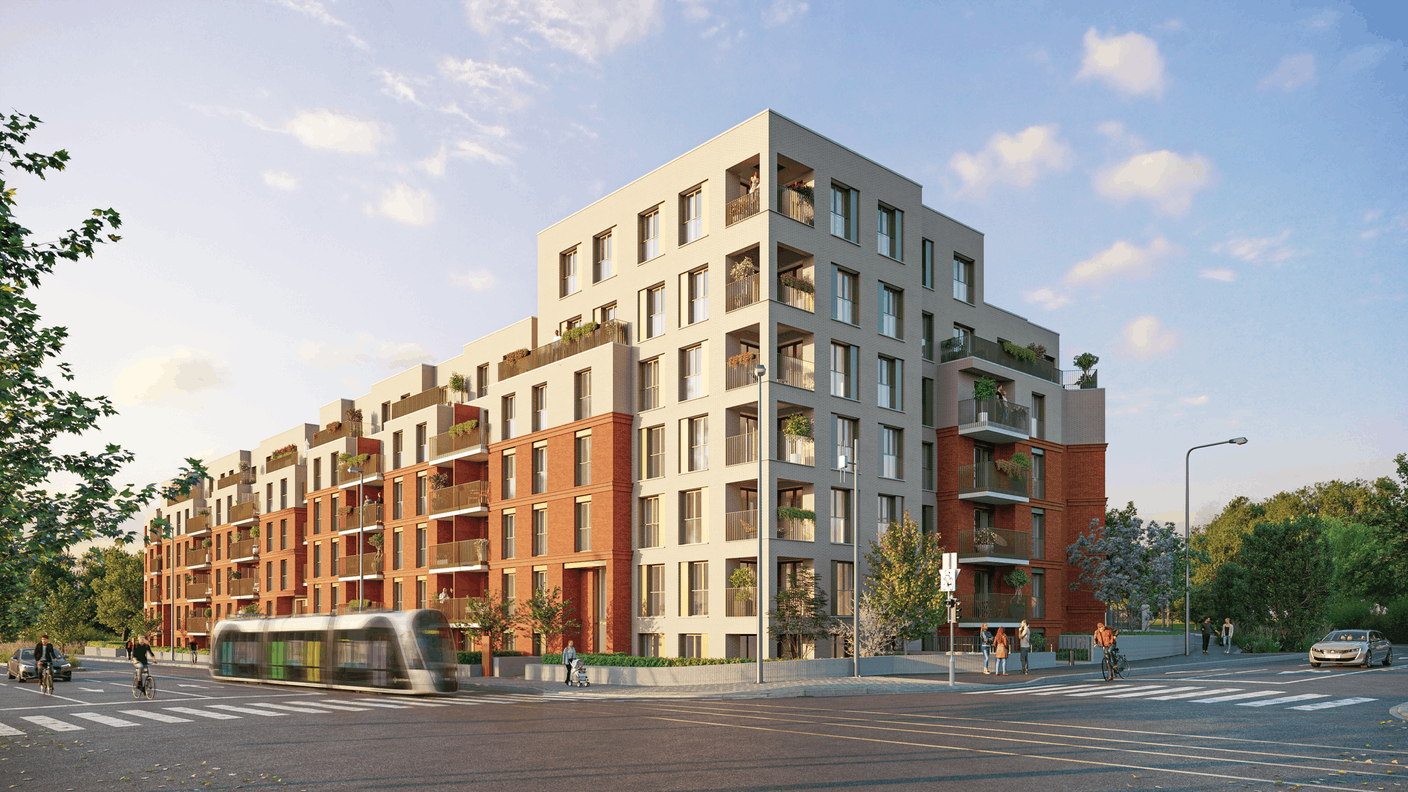
In Strassen, [… ] the prospect of the tram arriving makes this location even more attractive.

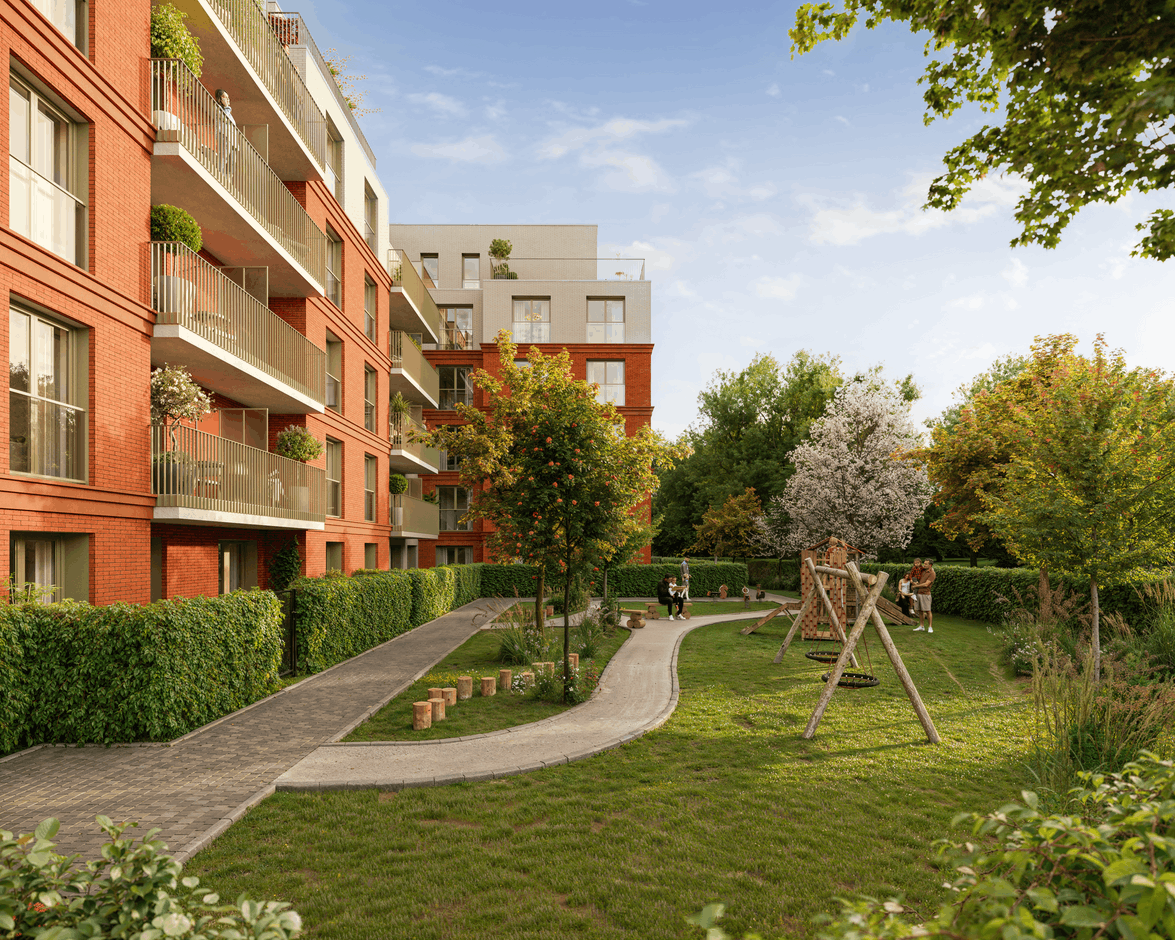
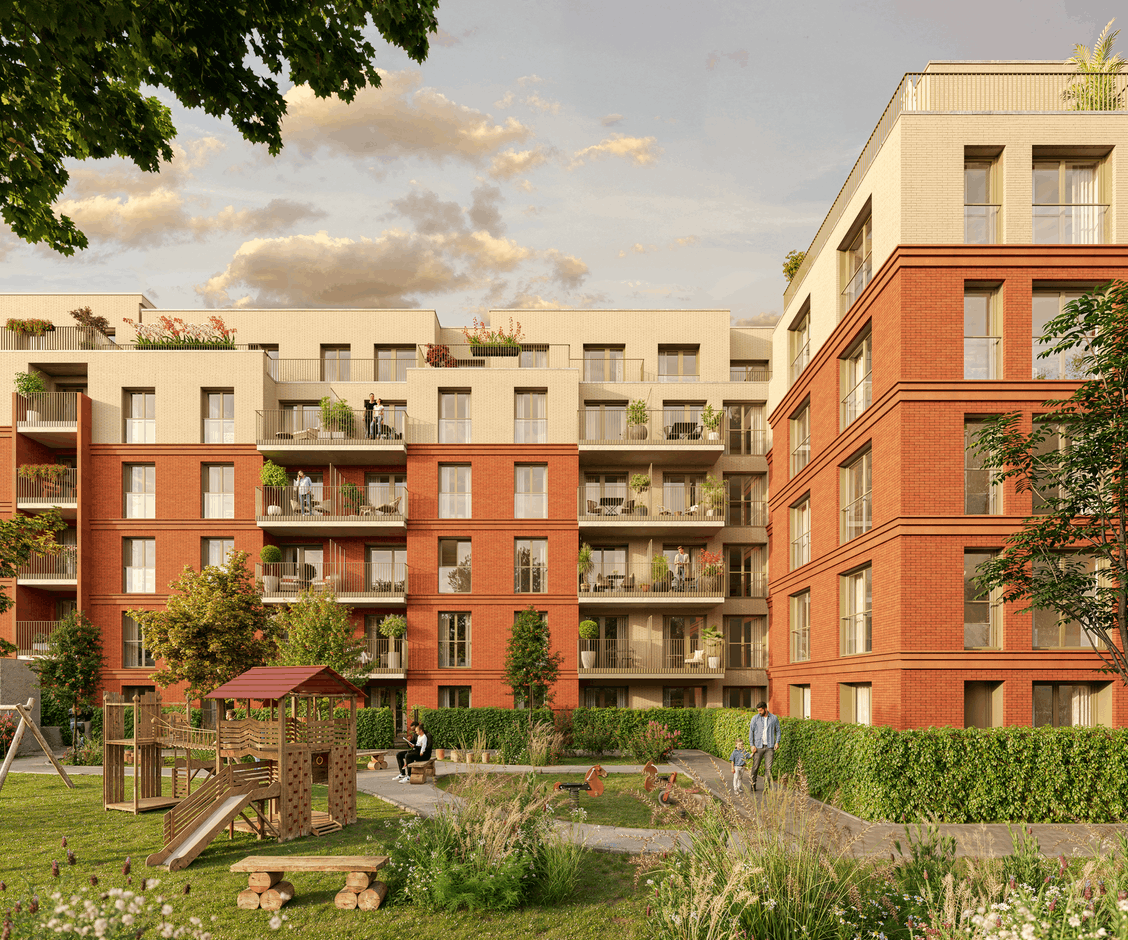
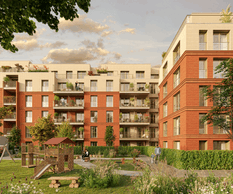
We also plan to launch the Link project on the site of the former Total Energies site at La Cloche d’Or. The aim is to demolish the building in 2027 to make way for approximately 12,000m² of purely residential development.
In Strassen, we have also extended the lease for the Luxembourg Institute of Health in our Thomas Edison building by ten years. The prospect of the tram coming to the area further enhances the appeal of this location.
We’ve heard that the team has been slightly reduced. Can we pick up the pace with fewer people?
“There are currently nine of us in Luxembourg, with a core group of people who have been here for some time. For the projects we are currently working on, we have the capacity to work with this team and would undoubtedly still be able to cope with further growth.
The price you pay determines whether you can carry out your project with peace of mind.

Developers talk a lot about interest rates and construction costs. You, however, keep coming back to the purchase price of the land. Is that where it all comes down to?
“The price at which you buy determines whether you can carry out your project with peace of mind. Some of the difficulties stem from projects purchased before the crisis, under different market conditions, which then have to be sold on. When you buy during a difficult period, at a price in line with the market, you are starting from a different basis.
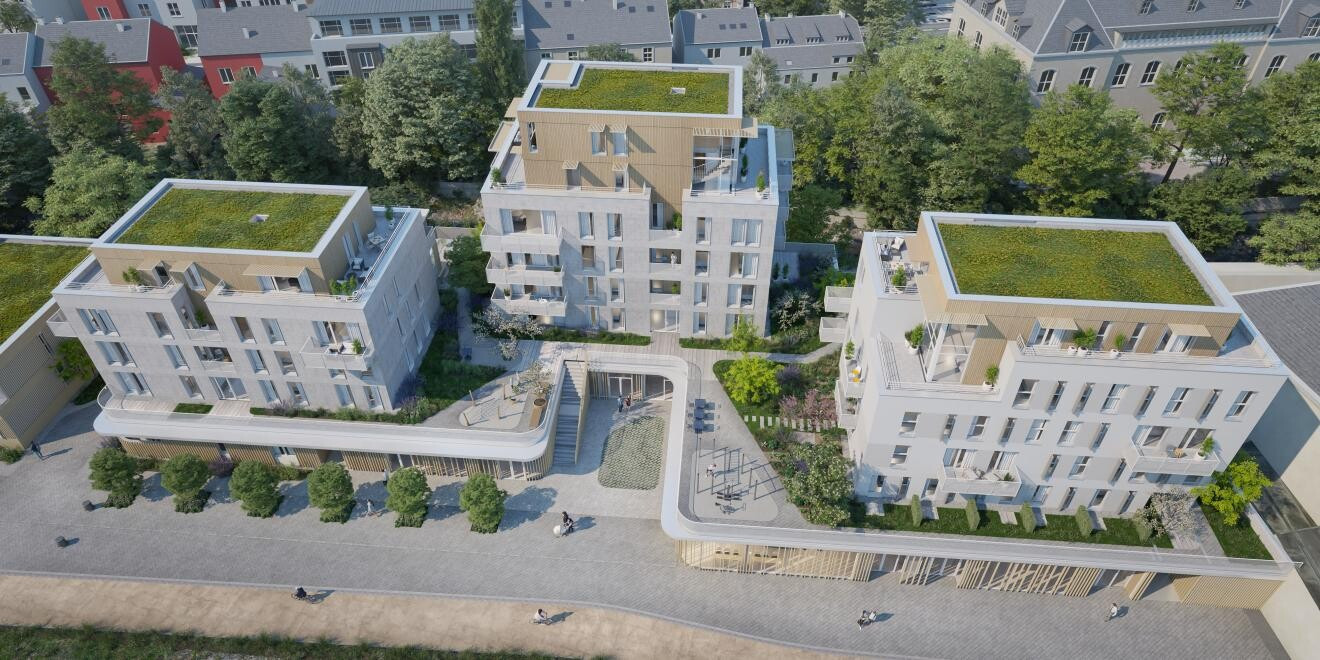
The River Place project is set to be a mixed-use development combining flats, co-living spaces and hanging gardens, blending urban vibrancy with a relaxed lifestyle. (Photo: Immobel)
The problem with the property market today is that many owners are in no hurry to sell. It is therefore very difficult to get prices to come down. Yet this is the crux of the matter.
Have the government’s measures been a game-changer for Immobel?
“The measures announced this summer have had very little impact on us, as we don’t have many properties left to sell at the moment.
On the other hand, the off-plan buyback campaigns have helped us. The sale of River Place to the City will enable us to build a project that has already been fully sold. As for Kiem 2050, the Kirchberg Fund’s purchase of part of the development has also given us some much-needed breathing space. In our case, it is primarily these acquisitions that have had a tangible impact.
Your environmental stance is part of your brand identity. But between regulations, the European taxonomy and certifications, what extra steps are you actually choosing to take?
“Alignment with the European taxonomy is a policy adopted by the group for our office developments, particularly when we are the sole project owner. This is in line with our ESG commitments and is also of benefit to future buyers: we aim to anticipate changes in environmental requirements.
Certification schemes cover other aspects as well. With BREEAM and WELL, we focus on both the building itself and the comfort of its occupants: ventilation, natural light, the quality of the spaces and resource management. This translates into specific technical choices.
Is this a genuine concern for the environment, or just a sales pitch to make it easier to sell?
“The two go hand in hand. There are the commitments made at group level and the prospective buyer’s interest in a building that meets these criteria.
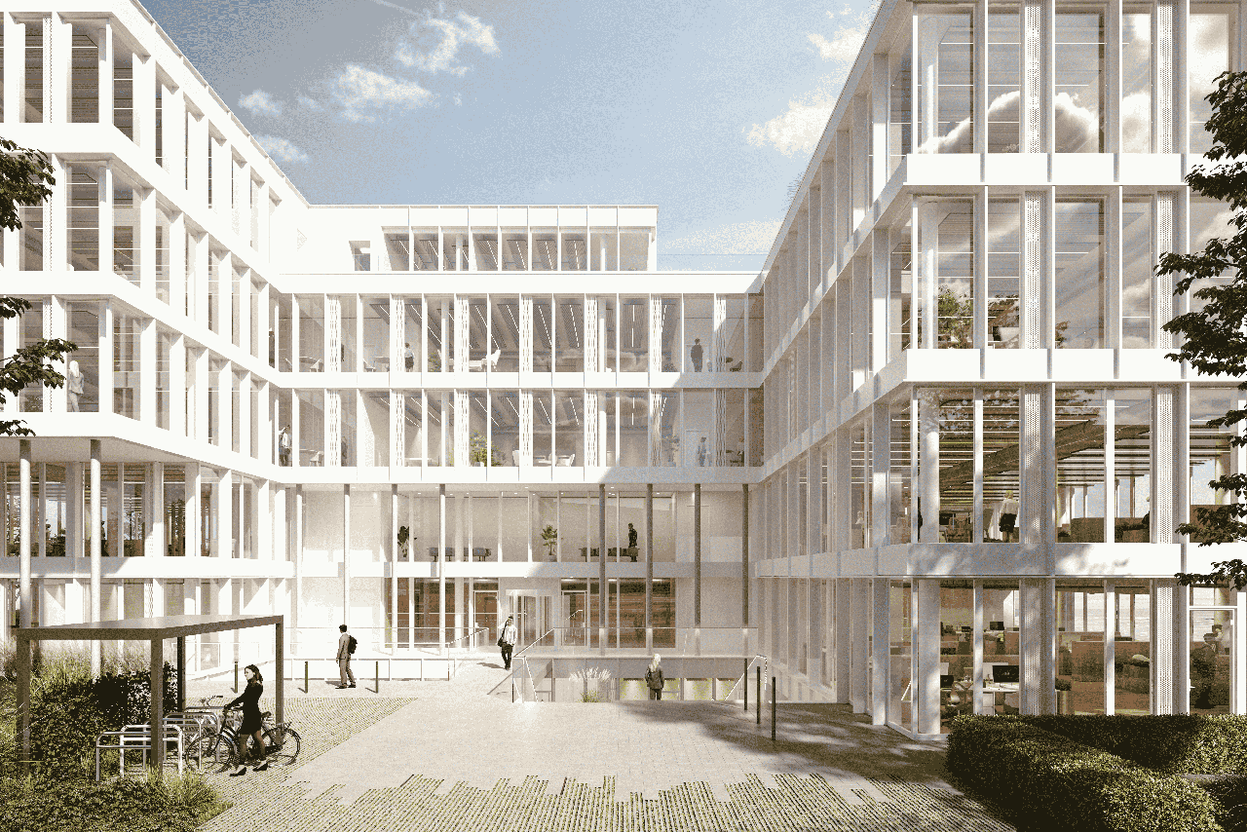
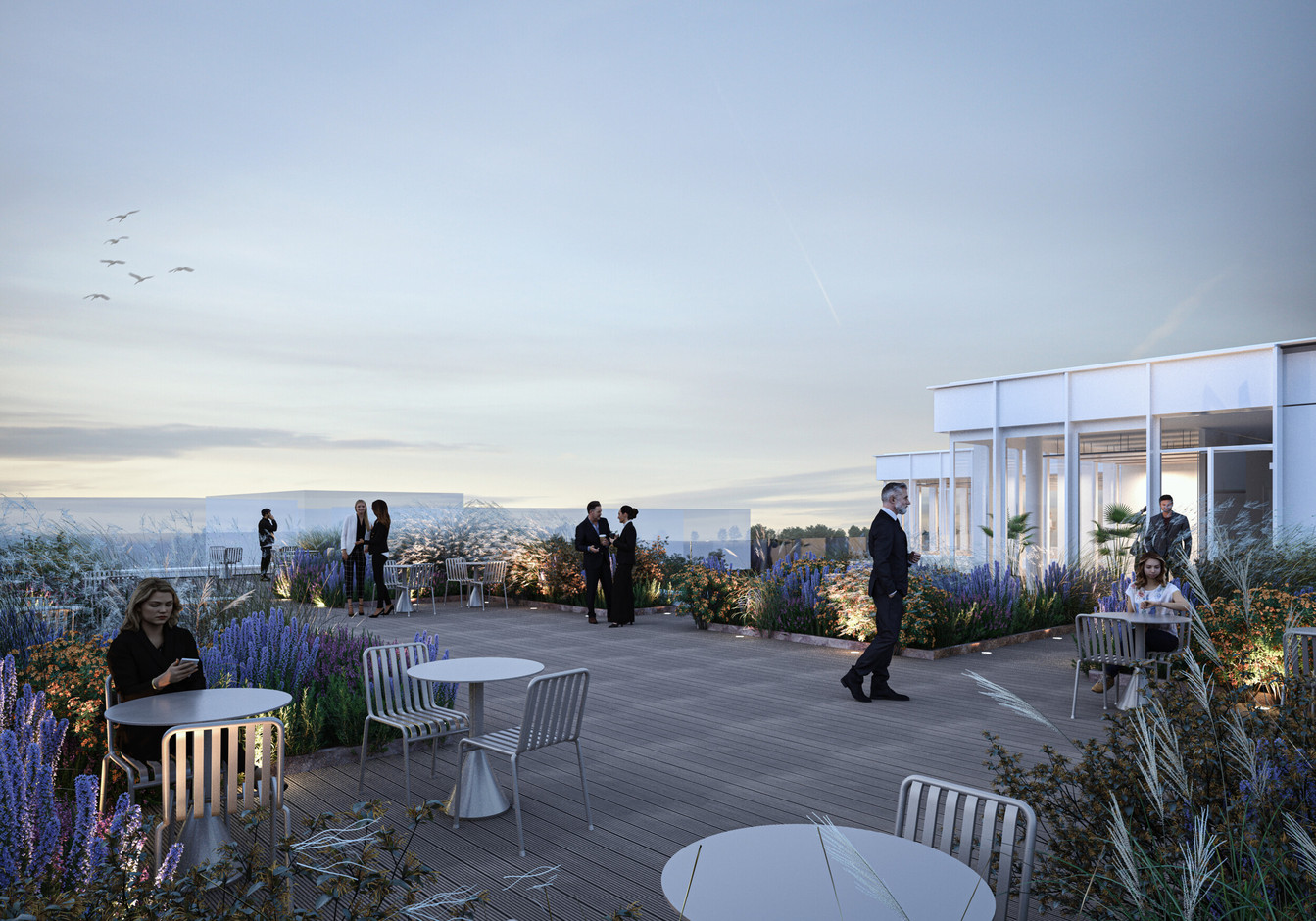
For the occupants, this should have very practical implications. At The Frame, for example, we wanted flexible spaces, plenty of light, terraces and external sunshades. The aim is to create a place where people feel inspired to thrive. Personally, it’s a building where I’d love to work [smiles].
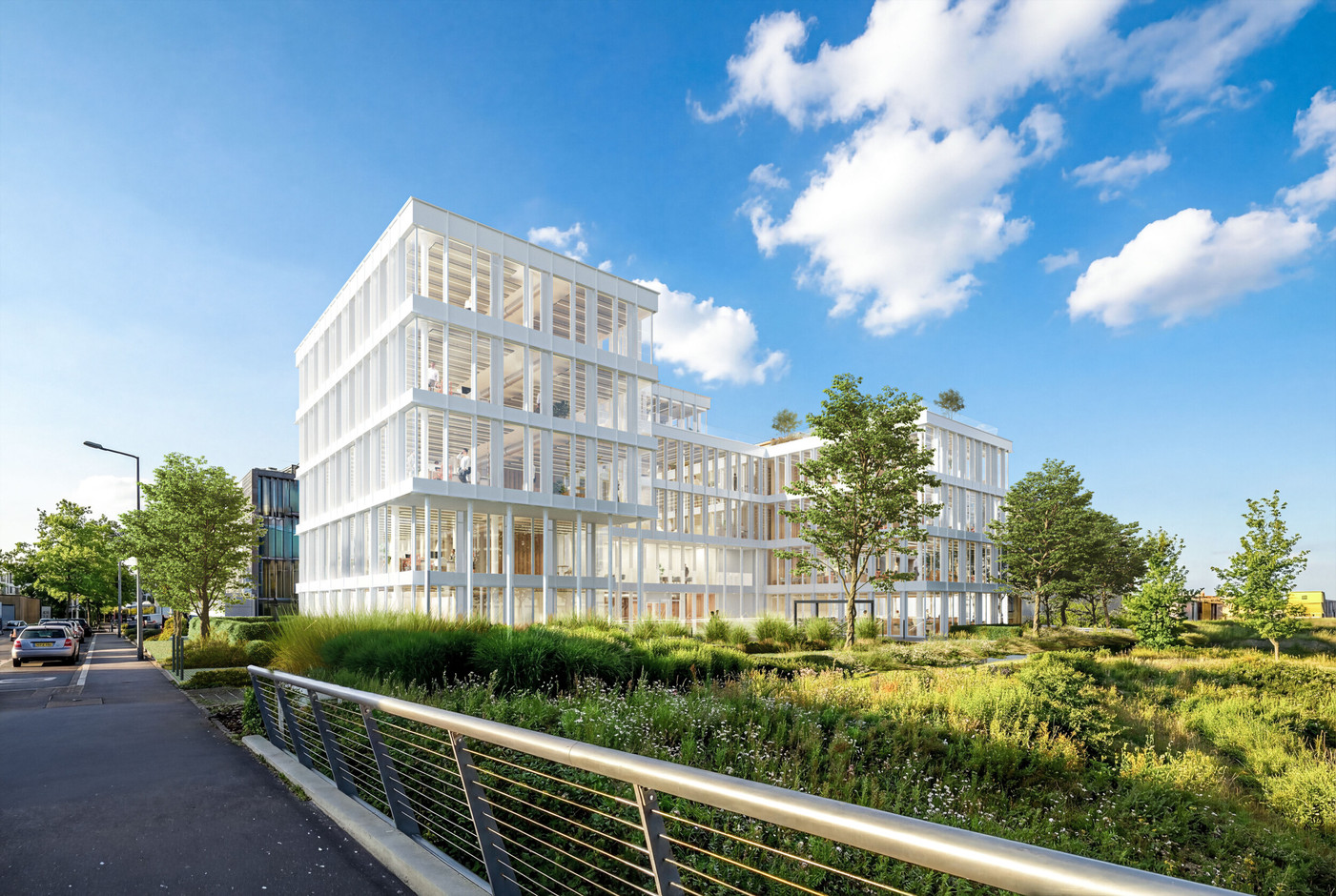
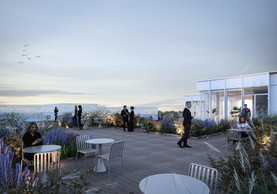
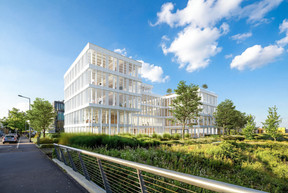
You’re aiming for BREEAM Outstanding and WELL Platinum for The Frame. At what point does an ambition become an achieved certification?
“We work with an assessor who reviews the criteria and supporting documentation. At an early stage, this analysis gives us a very clear picture of the standard we can achieve. It also enables us to identify any necessary adjustments, such as improving ventilation, installing water leak detectors or making changes to other parameters.
Until we receive official confirmation from the certification bodies, nothing is certain, as the items are checked upon delivery.

But until we have official confirmation from the certification bodies, nothing is certain. We say that we are aiming for certification. We cannot say that we have achieved it. The details submitted during the design phase must then be verified on the completed building.
What if you fail to meet the target? A fine? A penalty?
“As far as the certification body is concerned, no: we haven’t achieved the required standard. So we’ve spent time and money without achieving our objective.
That is why we make it clear in our presentations to tenants and investors that this is a highly sought-after certification. We can also provide them with the assessment report detailing the criteria we are working on.
Waiting also comes at a cost, particularly in terms of bank interest. The aim now is to get the projects back on track.

Nevertheless, you’re launching The Frame without any tenants or buyers. Isn’t confidence also measured by the risks you’re willing to take?
“We have indeed decided to go ahead with this risky project. Given its location and characteristics, we believe this is the right decision.
Ideally, we are looking for a single occupier, although the building can be divided. And we attach great importance to the tenant’s financial stability, whether they are a private individual or a public or semi-public organisation. What matters to us is the tenant’s creditworthiness and the security of the rent payments throughout the term of the lease.
Between this desire for security and a risky venture, where do you really stand?
“We’re moving forward based on the current situation – that is, the conditions we face today. Some projects are ready to go; we’ve completed certain transactions and we still have capacity for further development. Waiting also comes at a cost, particularly in terms of bank interest. The idea now is to get these projects back on track!”