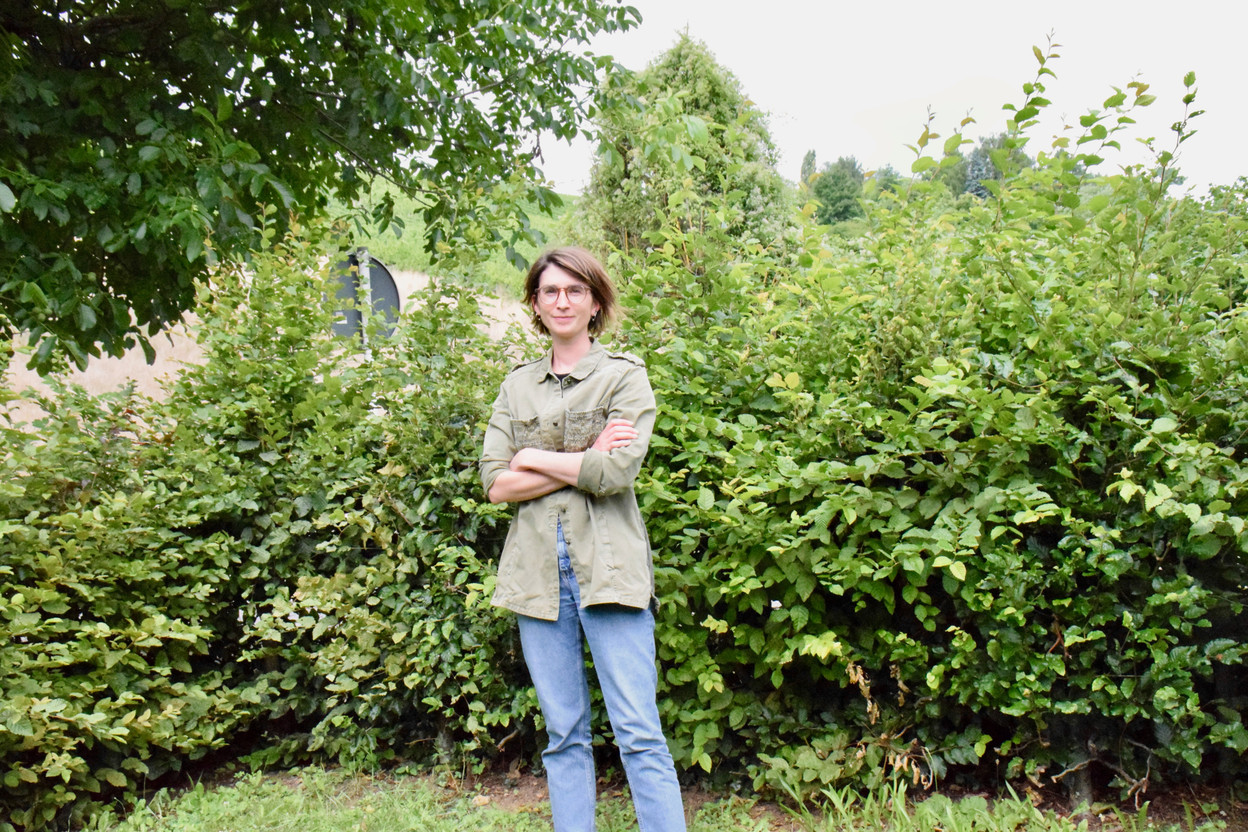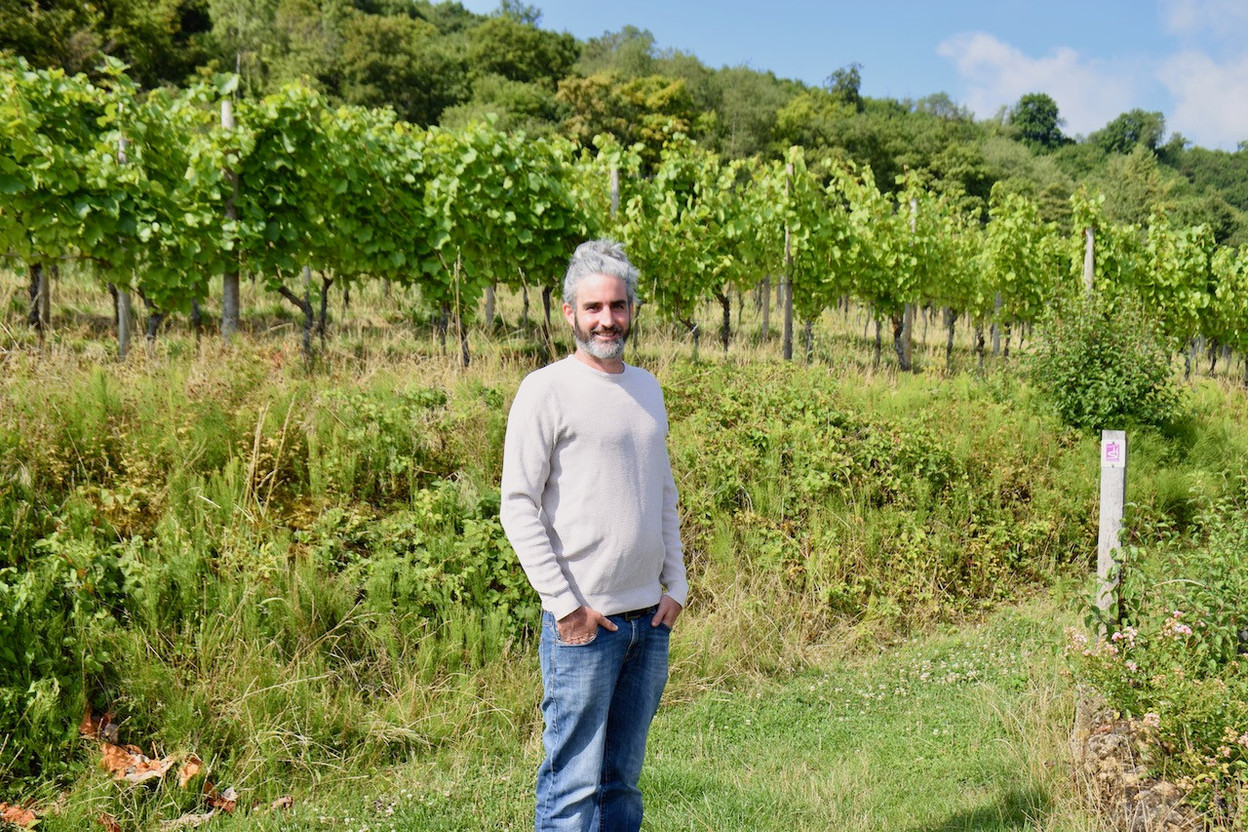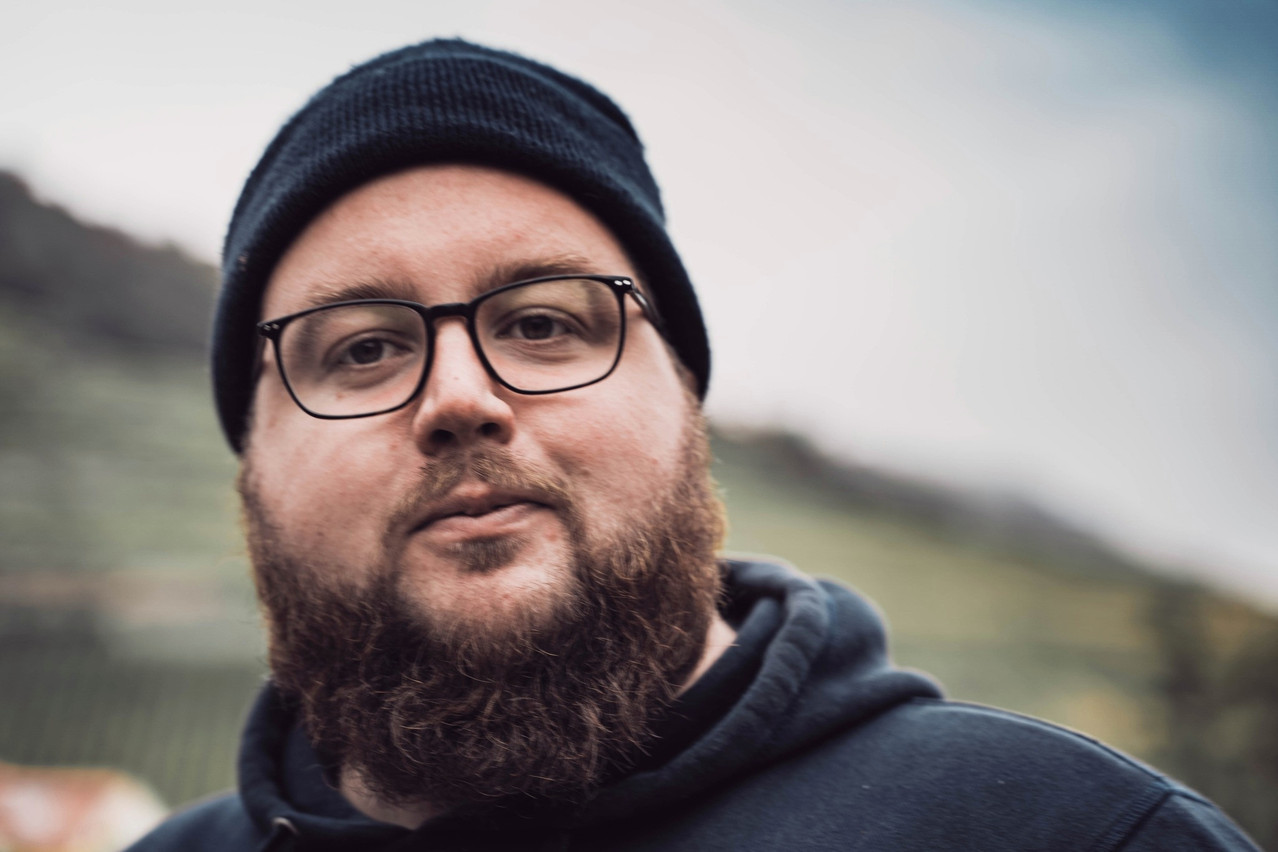
As we await the harvest, Paperjam is off to talk to young winemakers about their passion: wine. Today we meet Paul Zahlen, who has set up his own winery, Pauls Winery, without quitting his day job.
Founding Pauls Winery, Paul Zahlen admits, was a leap into the unknown. Or at least a gamble. But while he may not be the son of an established winegrower, it does run in his family. “My grandparents had vineyards in Greiveldange and produced grapes for Domaines Vinsmoselle [editor’s note: the country’s largest producer of wines and crémants, which works as a cooperative with 170 winegrowers cultivating their plots]. They stopped 25 years ago now, but I still have childhood memories--fond memories of accompanying them to the fields when there was no school and helping them with the grape harvest.” Although his parents chose a different career path, Zahlen has always loved working in nature. He studied to become an agricultural mechanic and once he had his Certificate of Technical and Vocational Aptitude (CATP) at the age of 23, he joined the Institut Viti-Vinicole (IVV) as a government employee, to work in the vineyards on the various trials and research carried out by the institute.
The birth of a passion
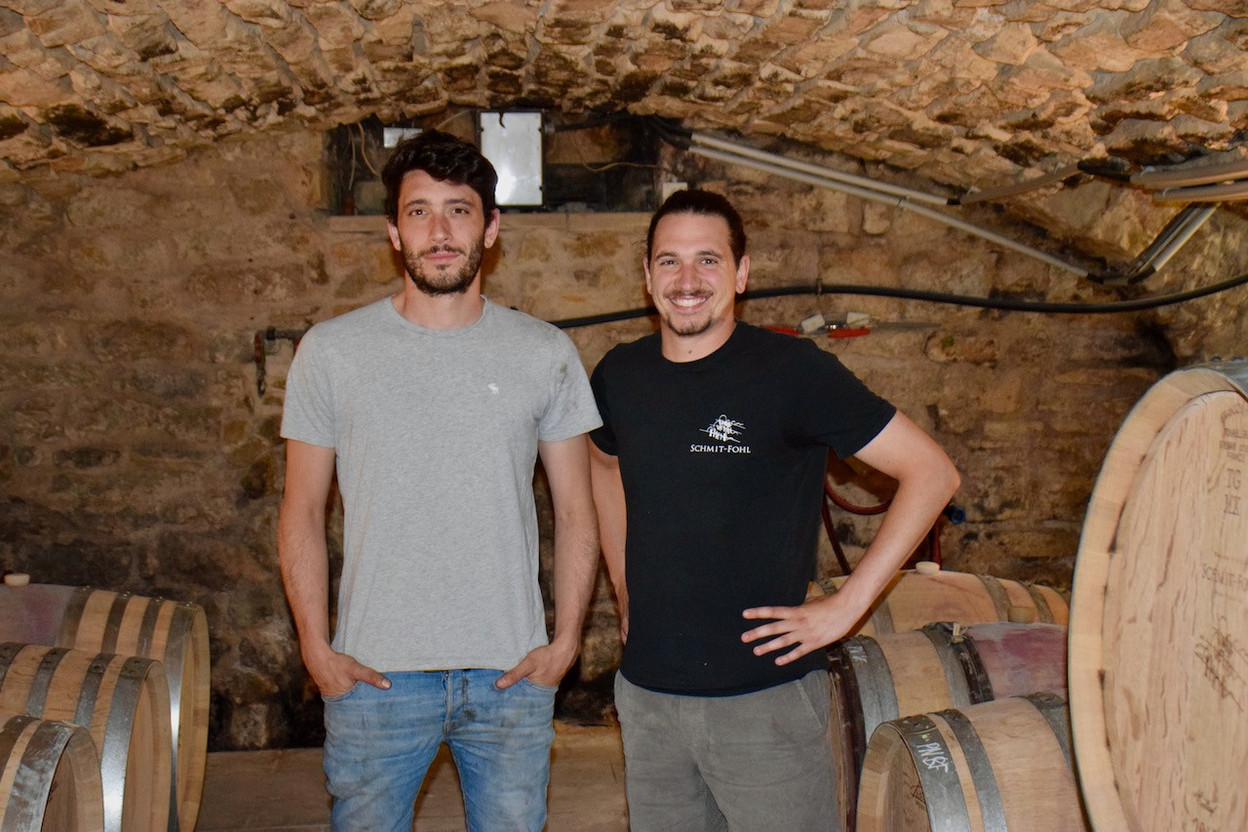
And it was here that the threads of an interrupted story were rewoven. Having joined the IVV in search of job security, he rediscovered his passion for wine. Starting his own business became an obvious choice. He sought advice from his grandfather and friends. One of them was Jeff Konsbrück, whom he describes as “a childhood friend.” Konsbrück, besides giving advice, has also opened up his own cellar to help Zahlen make wines. “He shares his vast experience and expertise with me and helps me to solve all the questions and problems that constantly arise for a young winemaker.”
The first year, Zahlen started with 1.2 hectares. It’s now up to 6.5 hectares. He rents most of this area, but has also bought plots, notably in Greiveldange and Remerschen. His vineyards are planted with Riesling, Chardonnay, Auxerrois, early Pinot Noir, Pinot Noir, Pinot Gris, Gewurztraminer and Piwis, varieties that have been cross-bred to make them more resistant. These varieties are becoming increasingly popular on organic farms, not least because they require less treatment. Zahlen is hoping for organic certification again this year.
The virtues of word of mouth
Crémant accounts for half of the production at Pauls Winery. This year, he produced 18,000 litres, the equivalent of around 22,500 bottles. Some 90% of this production is sold to private customers. To make a name for himself, he relies on word of mouth. He regularly takes part in events and fairs that attract wine lovers, such as the crémant festival in November. “As we’re still a very young company, this arouses people’s curiosity, and they come to see us and taste our products. That’s how they start to take an interest in us.”
Sharing his time between the IVV and his farm, the days can be very long for Zahlen, even if friends and family are around to help. In recent months, he has taken on an employee to help him out. What's next? “The plan is that, when the time comes, I’ll leave government service to devote myself fully to my business.” In the meantime, he is preparing for the 2025 harvest, a year he expects to be very good--even exceptional.
This article was originally published in French.