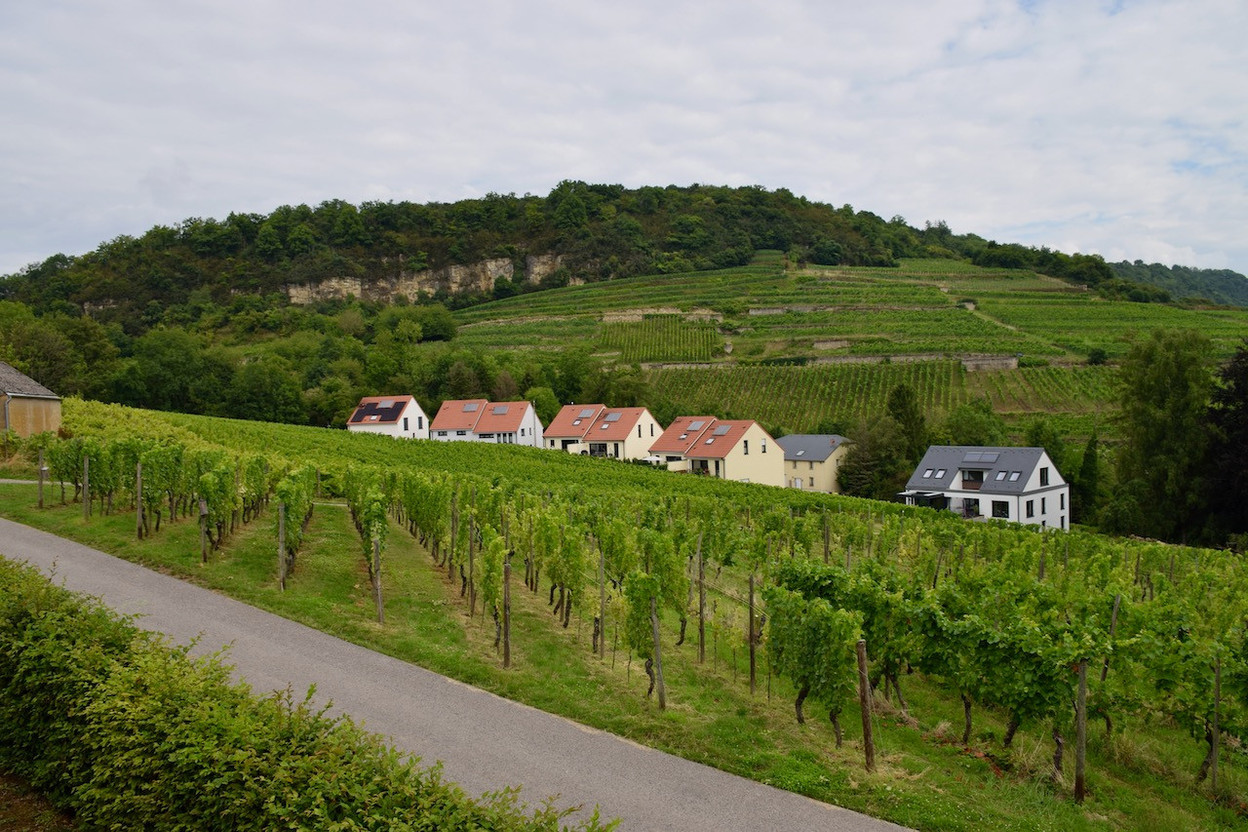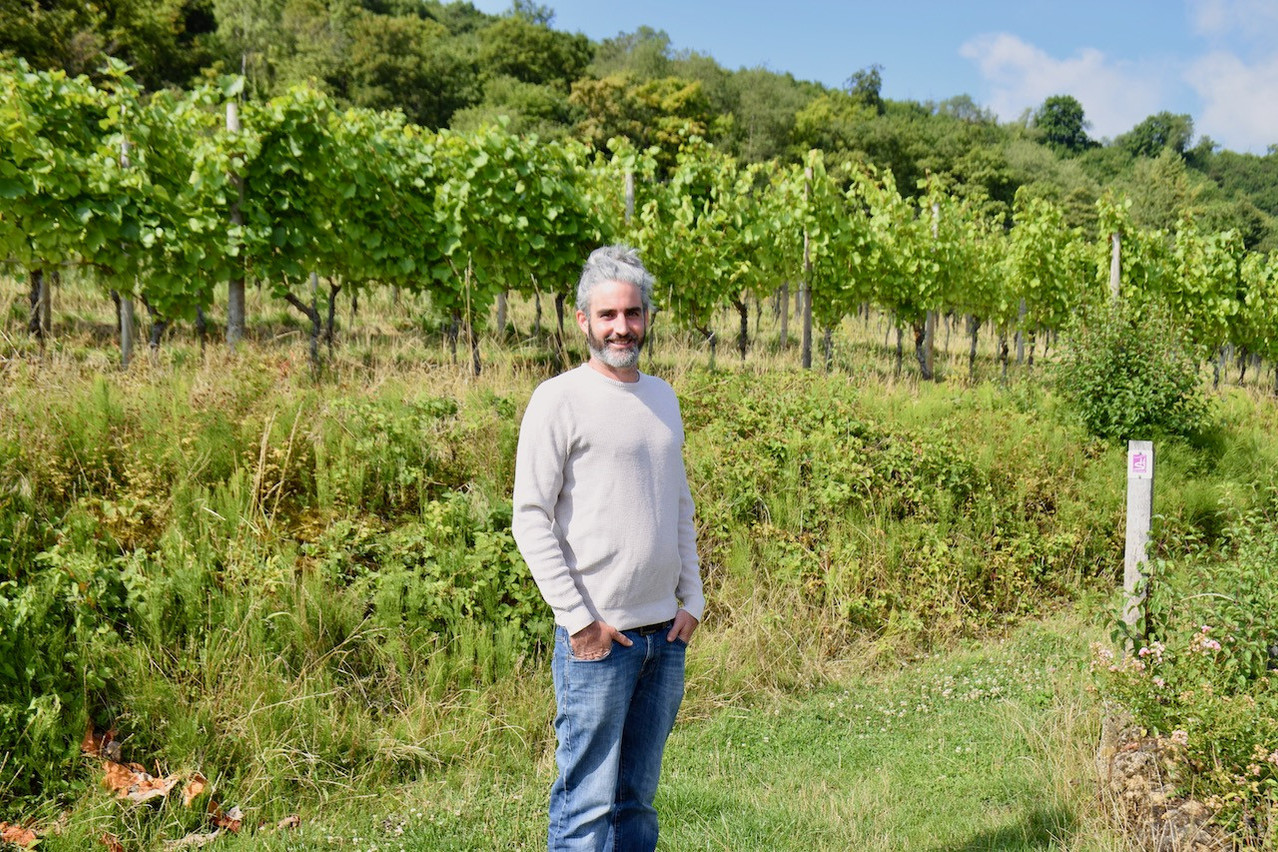
While we await the grape harvest, Paperjam went to meet young winemakers who talk to us about their passion: wine. Today we’re talking to Jeff Konsbrück, vice president of the Association of Private Winegrowers.
Becoming a winegrower wasn’t an obvious choice for Jeff Konsbrück: he initially studied to become an agricultural machinist before being caught out by fate. His brother don’t want to take over the vines that his father owned on his farm, so his father offered them to him. “I said yes. Firstly because I could work with machinery, which was my basic training. And above all because I saw the opportunity to produce my own wine, which my father didn’t do--he sold his grapes to other producers. I never saw my father working in the winery. The first time I did it, it became a passion. I was happy in the vineyards and I was even happier in the cellar. Wine is first made in the vineyard. But it’s in the cellar that the grapes are transformed into wine.” To work in the cellar, Konsbrück went back to school and did his internships successively at Schmit-Fohl, Krier Welbes and then Bernard Massard.
His method? Work mainly on the maceration of the grapes and play with the fermentation temperature. “Lowering the fermentation temperature by half a degree gives more aroma, while increasing it accentuates the minerality,” he comments. Above all, he makes his choices as spontaneously as possible. “I work intuitively. I observe the grapes coming in, I smell them and I see what I can do with them. That’s what I call my art.” During the harvest, which is carried out by hand, a rigorous selection is made. Most of his vineyards are also treated organically. He is also exploring other methods such as vins orange--white wines worked like red wines.
Production for the local market
Once the bottles are corked it’s on to the next stage: marketing.
Like virtually all independent winegrowers, the Konsbrück’s clientele is primarily local, including the greater Paris region. To reach them, the estate, located in the commune of Ahn, is open every Sunday. In addition, Konsbrück maintains a presence on the internet and regularly attends wine fairs, notably in Ettelbruck and at the crémant festival at the end of the year. It’s a long-term job. “People think that winegrowers work a bit in winter to prune the vines and then after two weeks for the harvest,” he says. “But our job is much more demanding than that.” He also works with a number of restaurants, including Wellem in Luxembourg City and the l’Écluse in Stadtbredimus. “Restaurants account for around 20% of our business.” Given the decline in local consumption, he sees export as a market to be developed. With a few colleagues, he is canvassing the Swiss market, which is looking for alternatives in the face of rising champagne prices. It’s a long-term process, he believes.
While the clientele is local, the range of tastes among residents is very broad. “One of the great advantages of Luxembourg’s vineyards is both the great diversity of grape varieties and the large number of independent winegrowers who all work in different ways. Everyone can find the product or products that suit them. In Ahn, we have seven winemakers who work in different ways, offer different flavours--and everyone manages to sell their produce.” The downside, however, is that, while residents consume an average of 40 litres of wine a year, they only consume nine litres of Luxembourg wine. This is a gap that Konsbrück would like to see closed.
A profession you can’t improvised
How? By educating consumer tastes, particularly among young people. “We do a lot of education about responsible drinking,” says the winemaker, criticising in passing the authorities’ policy on alcoholism, a policy he deems guilt-inducing and somewhat anxiety-provoking.
Questioned about the future of the profession and whether it attracts young people, he is optimistic. “As far as I’m concerned, there won’t be any problems with the next generation of independent winegrowers. However, he believes that coming from the industry or doing the right studies is a guarantee of success. “Winemaking is a profession that you can’t improvise. You need knowledge and roots.” The price of vines is not a problem: after peaking, prices have started to fall again, “mainly because more and more winegrowers--and in particular those working for the Vinsmoselle estate--are getting old and stopping.” In Konsbrück’s view, small farms of two or three hectares will disappear, except for those that are just a sideline. Existing farms are set to expand, but this will not prevent the area devoted to winegrowing from shrinking to around 1,000 hectares from the current 1,200.
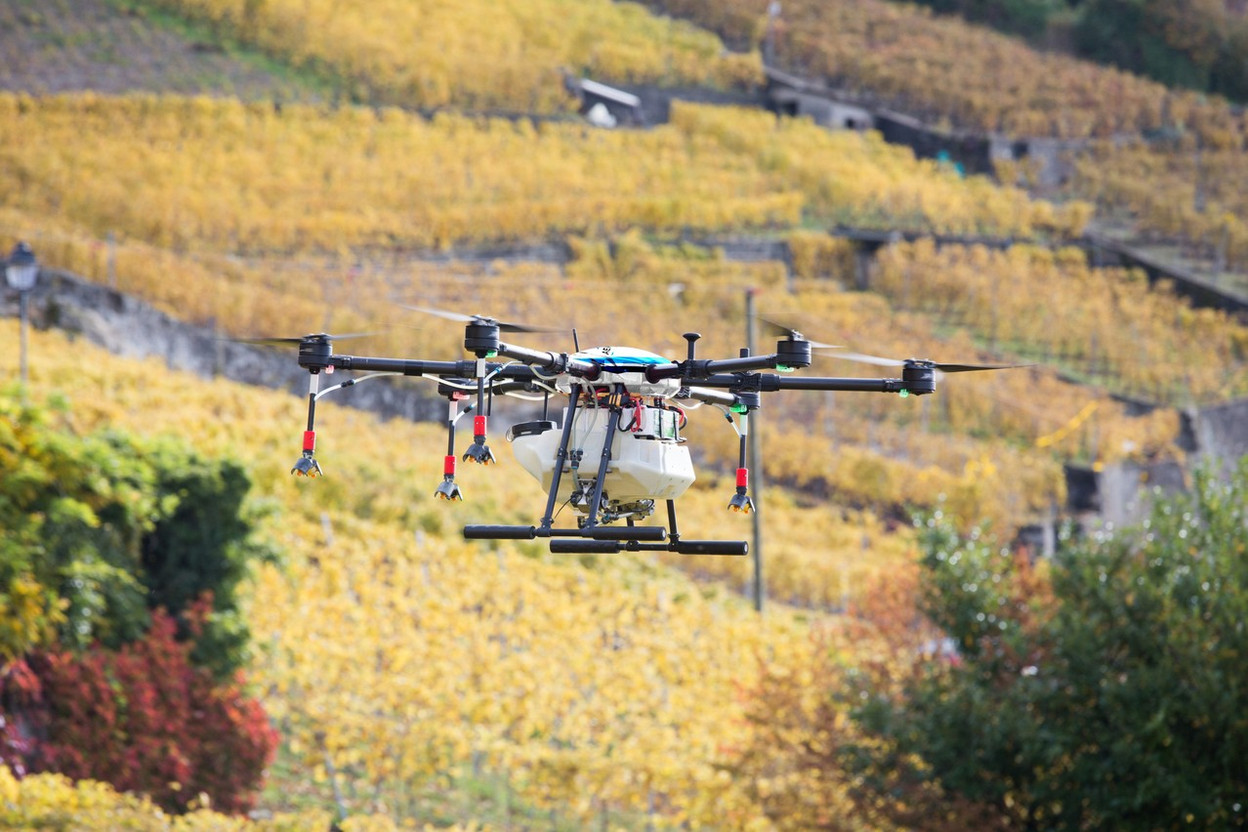
Climate change? The increasing number of extreme climatic events will force the profession to adapt its working methods and, in particular, to experiment with new, more resistant grape varieties. Is it conceivable that the “traditional” Moselle grape varieties could disappear? “Yes and no,” says Konsbrück. “If Rivaner is declining, it’s not because of the climate, but because it’s no longer drunk. It has become an old wine and it will take time to correct this perception. In the meantime, more and more Rivaner and Elbling will be grubbed up and replaced by Auxerrois or Pinot, which are used to make crémant, the product that sells very well. On plots that are difficult to work, particularly because of their small size, varieties such as piwi, which are more resistant to disease and require less maintenance, should make headway. One of these varieties, Voltis, has just been authorised in Champagne.”
This article was originally published in French.