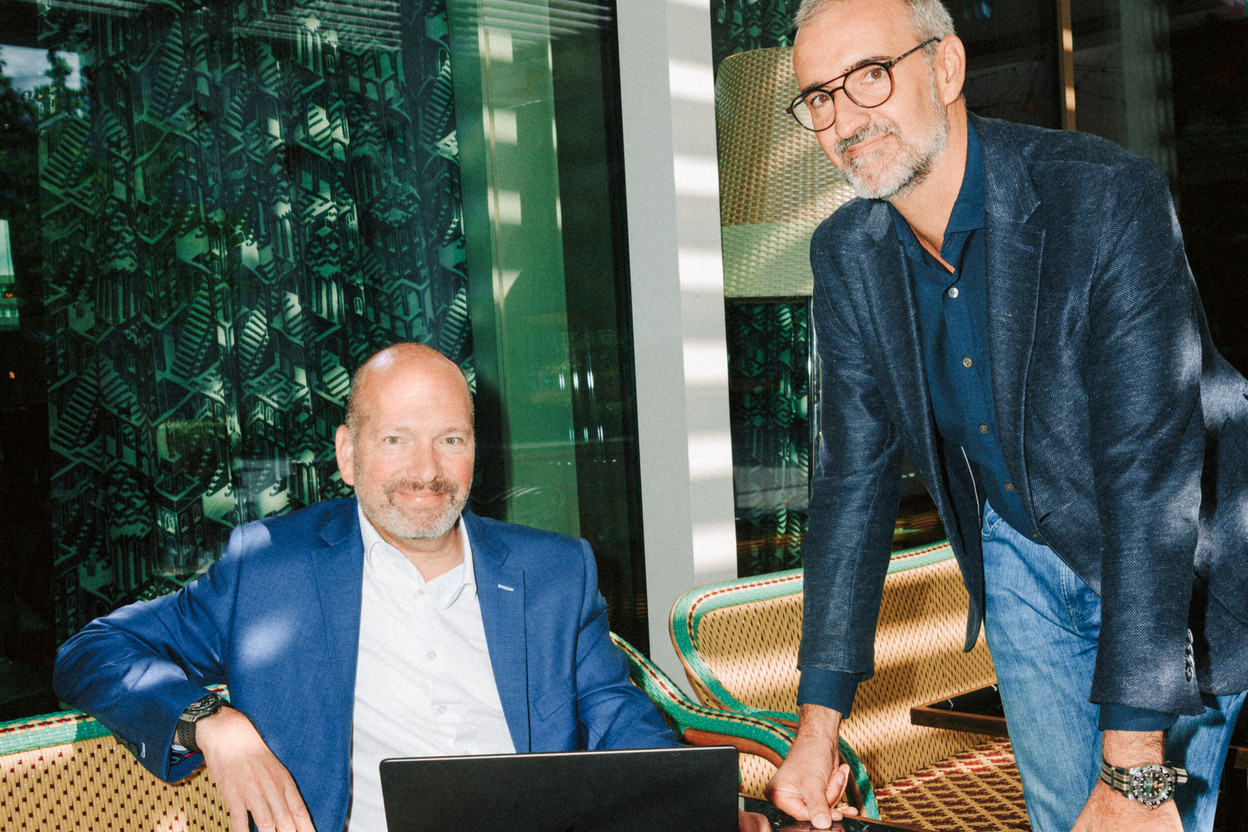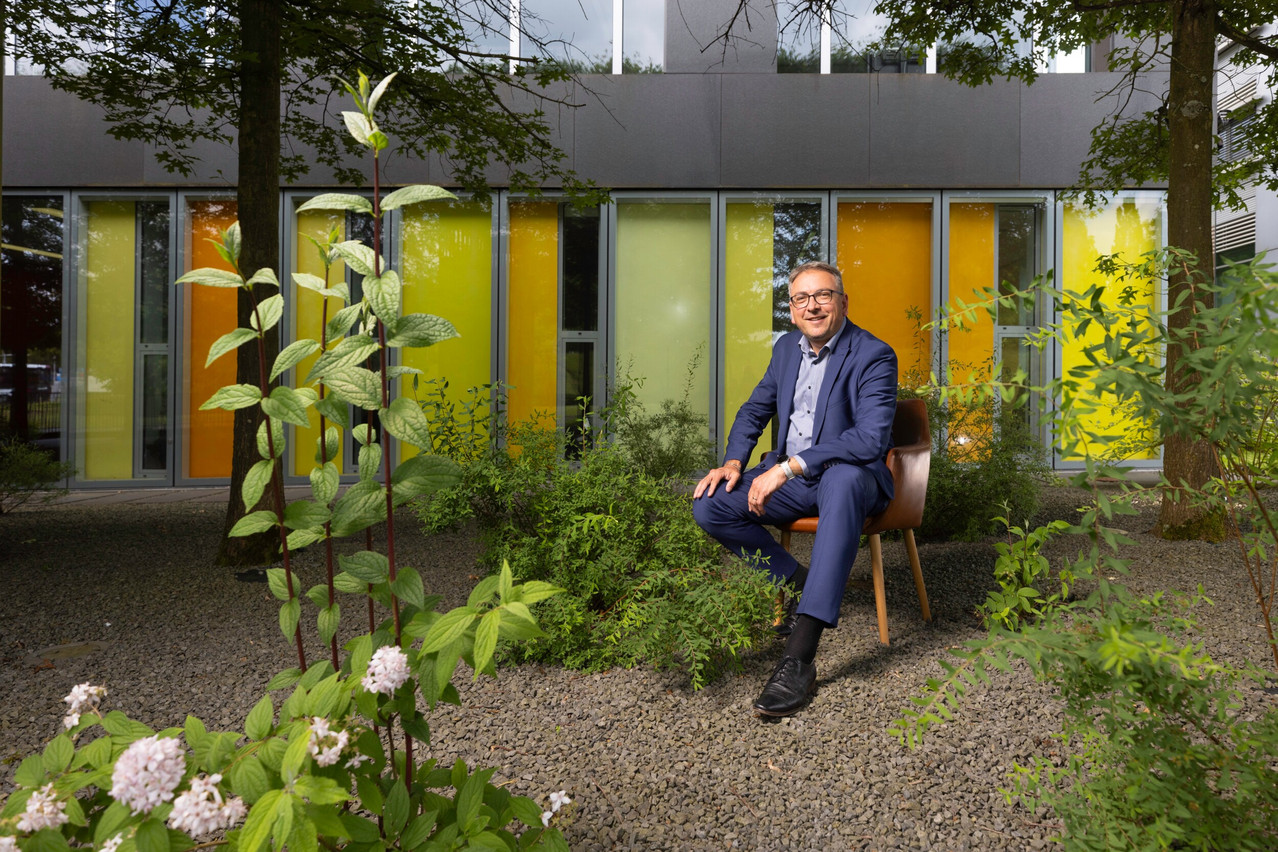
The LPEA had 701 members at the end of 2025, up 17.4% year-on-year. What does this growth tell us about the Luxembourg private assets ecosystem?

You have launched an LP Summit, the first PE Tech Awards and a conference on M&A transactions. What market needs do these new formats address?
“Our role is to stay in touch with what is truly transforming the market. For nearly three years now, exits have become more difficult, distributions have slowed and fundraising rounds have taken longer. GPs and LPs therefore need to discuss practical issues: investment strategies, technology and digitalisation, M&A, and the new conditions for fundraising. These formats create the necessary spaces for dialogue to better understand each other’s expectations.
So, what exactly do LP investors expect from their fund managers these days?
“Their expectations have changed little: performance, a strong team and rigorous execution. But the demand for transparency has grown. These days, LPs are also looking at how managers use AI and data. As capital returns slow down, DPI (the amounts actually returned to investors) is being closely monitored. Distributing returns without resorting excessively to financial engineering is therefore becoming a true mark of credibility.
Faced with pressure to return capital to investors more quickly, do the mechanisms designed to boost liquidity actually solve the problem, or do they merely postpone it?
“Bridge financing, fund financing or continuation funds can be useful when a sound asset is temporarily unable to find either the right buyer or the right price. Waiting for better conditions is therefore a sensible approach. But we are not magicians: in the world of democratisation, you cannot turn illiquid assets into liquid ones without taking precautions and without robust, well-established professional processes. Sooner or later, the asset will have to be sold and the capital returned to investors.
The LPEA organises numerous roadshows abroad. How do you measure their impact?
“This year, the new destinations are Copenhagen, Shanghai and Prague. At the same time, we are continuing to return to must-visit cities such as New York, Hong Kong, London, Tokyo and Singapore. We target markets with genuine financial depth. We then look at the quality of the audience: the presence of prospects, the balance between GPs and LPs, the level of engagement… The outcomes are just as important: how many qualified leads result in new meetings? The LPEA remains neutral and cannot guarantee that a contact will lead to a collaboration. However, if discussions continue and open up genuine opportunities for our members, the trip has thereby fulfilled its purpose.
What will the LPEA’s priorities be between now and the end of 2026?
“LPEA Insights will be one of the major highlights of the autumn. Another of our priorities is advocacy. We will be closely monitoring European discussions on supervision to advocate for a balanced and workable framework. Adding further layers of complexity would slow down processes and drive up costs. We must never forget that Luxembourg and Europe are competing with other major global financial centres.
Your 2025–2030 strategy is based on three pillars: defending, attracting, educating and connecting. What results will need to be evident by the end of the strategy period in order to judge its implementation a success?
“To make our voice heard more clearly in public debates, both in Luxembourg and in Brussels. Our committees and clubs will need to deliver tangible results on legal, tax and operational issues, as well as on AI, ESG and talent. We also want to relaunch the LPEA Academy’s programmes, which address real needs, and strengthen our links with universities and business schools. Ultimately, our success will be measured by our ability to attract new talent and build more bridges between GPs, LPs, experts and future professionals.”
This article was written for the supplement Alfi + LPEA from the October 2026 issue of Paperjam magazine, published on 16 September. The content was produced exclusively for the print magazine and is published on this website solely to contribute to Paperjam’s complete archive. Click this link to subscribe to the magazine.
Is your company a member of the Paperjam Club? You can apply for a subscription in your name. Please let us know via club@paperjam.lu