Following approval, the funds were transferred. On Friday 30 October, the European Commission paid out €92.2m in grants to Luxembourg under the Recovery and Resilience Facility (RRF). This scheme is the main instrument of NextGenerationEU, the European programme launched in the wake of the pandemic to support recovery and the green and digital transitions. This third instalment brings the total funds paid to the Grand Duchy to €182m, representing 76% of the €241m in grants provided for in its national plan. The disbursement of these funds is conditional upon the implementation of the reforms and investments agreed with Brussels.
Luxembourg had submitted its application on 24 July. The Commission had issued a positive assessment in September, before receiving a favourable opinion from the Council’s Economic and Financial Committee. The payment announced this Friday therefore marks the implementation of a decision whose terms had already been approved.
Electric mobility exceeds its target
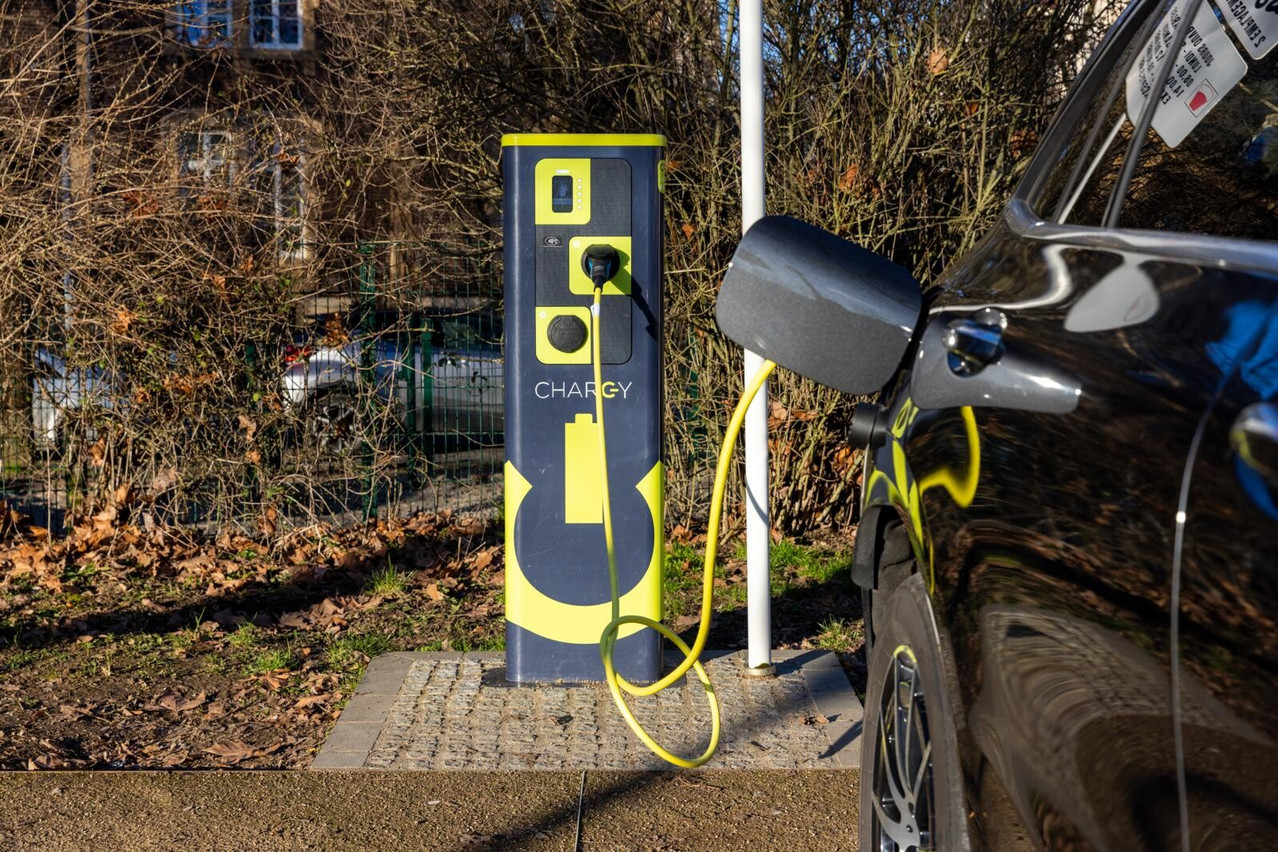
To release these funds, Luxembourg had to meet five milestones and achieve four targets. The Commission has deemed that all the relevant commitments have been met. Among the achievements highlighted are subsidies for the purchase of more than 42,000 zero-emission vehicles, exceeding the target of 38,000. The energy component also includes the installation of 25 megawatts peak of photovoltaic capacity at business premises, as well as a reform of the support scheme for sustainable biogas.
The digitisation of public administration is another aspect of the payment system. Five government bodies have been connected to a central platform for the electronic management of documents and files. A cross-border quantum key distribution link, designed to secure communications between Luxembourg and Belgium, has also been successfully tested.
Health, biodiversity and anti-money laundering
In the health sector, Brussels has approved reforms to the legal framework governing the healthcare professions and hospital organisation. The payment request also covers the roll-out of the ‘Wëllkomm’ digital solution, which facilitates remote medical monitoring of asylum seekers and beneficiaries of international protection.
In the environmental sphere, more than 50 local authorities have met the Naturpakt certification requirements. This scheme aims to translate national objectives for the protection of nature and biodiversity into local action.
Luxembourg has also strengthened its anti-money laundering and counter-terrorist financing framework applicable to service providers to trusts and companies.
The plan is entering its final stages
In its September assessment, the Commission stated that Luxembourg had met 87% of all the milestones and targets set out in its plan. This figure contrasts with the 76% of the allocation that has now been paid out: progress on commitments and the amounts disbursed are not keeping pace with one another.
The European programme is drawing to a close. Member States were required to have completed their final milestones and met their targets by 31 August 2026 at the latest, and to submit their final payment claims by the end of September. For Luxembourg, nearly €59m remains to be received from the announced allocation, subject to the validation of the corresponding commitments.