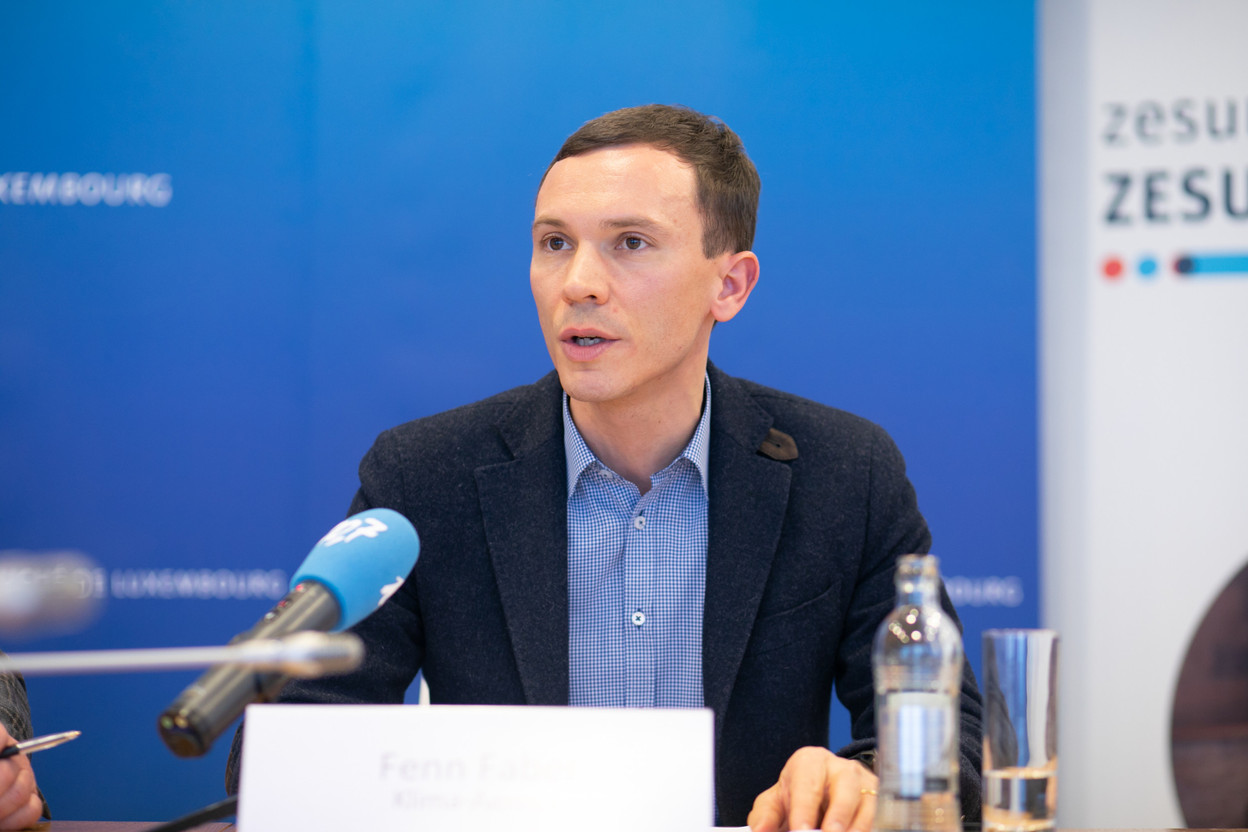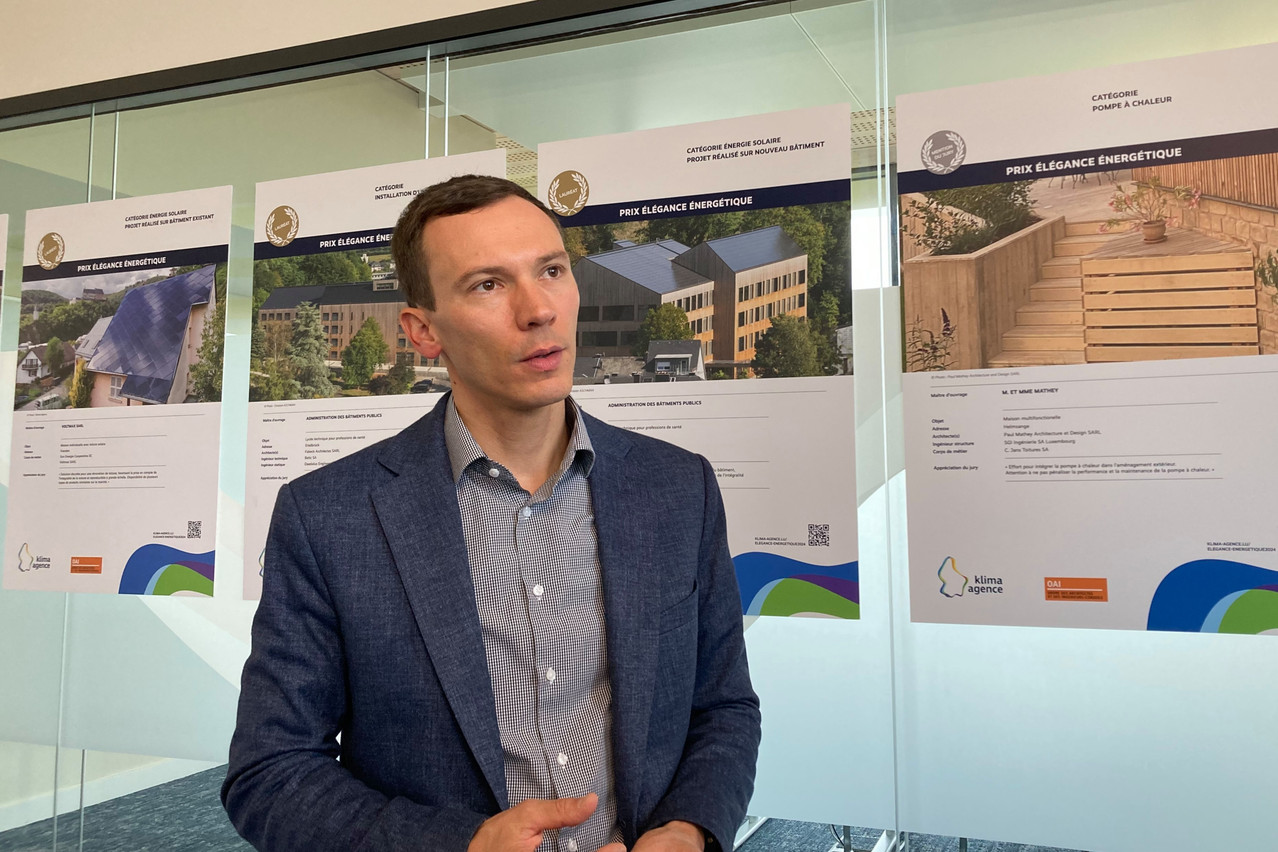
“We are seeing a significant increase in the number of basic advice interactions. We recorded 12,754 in 2023. For 2024, current figures already point to over 15,000 interactions by the end of the year, including more than 3,250 home advice sessions,” explained 
The increase is even more than 60% between 2021 and 2024. “There are various explanations. Already since the start of the energy crisis, we’ve really noticed that people are much more interested in the subject, particularly photovoltaics. Second, the Klima-Bonus programme has been ‘rebranded’ to include more criteria, so it’s now more accessible and has generated more interest.”
Several simulation tools
The free hotline of the Klima-Agence, or Climate Agency, reachable at 8002-11-90, was used in the majority of cases, when more than 3,250 pieces of advice were given in people’s homes. A survey of its customers revealed that 93% of those questioned were “satisfied with the advice service. The subjects most frequently discussed were photovoltaic installations (46%), heating systems (27%) and energy renovation (22%)."
Klima-Agence, which employs 43 people, is an economic interest group. It does not deal with Klima-Bonus financing or repayment cases, which are handled by the environment administration. “We have an advisory role, with a number of digital simulation and comparison tools to help people see what assistance they are eligible for. Our mission is really to accompany Luxembourg society in the direction of the energy transition, both households, businesses, municipalities and state actors,” explains Faber.
Second Solar Challenge
The second Solar Challenge (solarchallenge.lu) was launched on 1 October. “It’s a competition that we’re launching for the second time, the aim of which is to work mainly with the levers that the municipality has to mobilise more potential for photovoltaic installations. So we’re giving the local authorities communication tools, and between now and 2026 we’re going to be looking at which local authorities have made the most progress in different categories. We’re looking at the number of projects completed, the installed capacity, and so on. There is positive competition between the municipalities,” continues the director.
The first challenge ended in September 2021, with 80% of local authorities taking part. For this second edition, the most “exemplary” local authorities will be rewarded for their participation, which can take place in four categories, one of which is aimed at rewarding specific and original communication, mobilisation and/or awareness-raising projects relating to photovoltaics.
According to figures released at the end of July, electricity consumption since 1 January 2024 is 2,783 GWh. The National Climate and Environment Plan (PNEC) plans for 37% of electricity consumption to be covered by renewable energy production. In 2023, only 21% of consumption was covered by renewable energy, and in the first half of 2024, 23% of consumption was covered by renewable energy.
This article was originally published in French.