Luxembourg houses 259 mancos, the Financial Sector Supervisory Commission (CSSF) said in a document published on 15 January 2024. Mancos play a crucial role as intermediaries between investment funds and the CSSF, ensuring transparency and compliance.
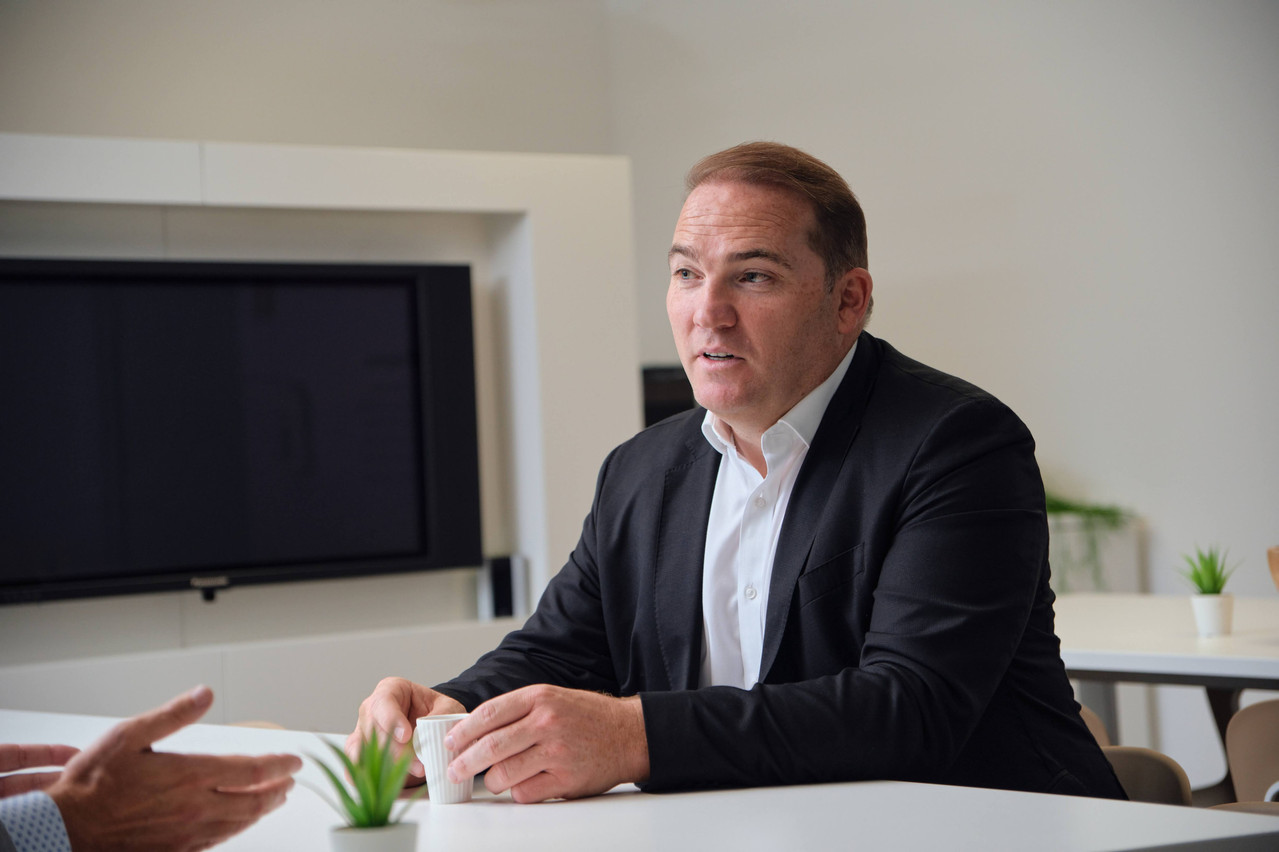
Delano spoke with Denis Harty, country head of continental Europe & CEO of Waystone Management Company (Luxembourg) to hear about third-party compliance solutions in a changing global landscape. In terms of third-party compliance services, the firm offers two primary business lines: “third-party management company and alternative administration services,” explained Harty.
Regulation: Ucits, AIFMD, SFDR
Regarding the key regulatory requirements governing third-party compliance services, Harty noted that “the undertaking for collective investment in transferable securities (Ucits) regulations and the Alternative Investment Fund Managers Directive (AIFMD) are the two key pillars.”
“They are not just Luxembourg-based, they are European-based,” he explained. “They effectively provide the rules of the road from a regulatory and compliance perspective for the funds that we manage and oversee; they provide quite a lot of detail in terms of the role of the management company and what the expectations are.”
“That can include what we call investment restrictions, as in the types of assets which can be purchased [and] held by the funds,” said Harty. “For example, the Ucits directive concerns transferable securities which are available on an open market--basically considered public assets and publicly available--whereas the AIFMD regulation typically concerns private assets, assets that are not available to retail investors to buy, and that will include assets like private debt, private equity, etc,” he remarked.
Harty emphasised that besides those two regulations, there are additional frameworks to consider, such as ESG compliance, which encompasses environmental, social, and governance aspects, and originates from the Sustainable Finance Disclosure Directive (SFDR).
Three considerations: independence, expertise, infrastructure
When it comes to the key aspects companies should consider when choosing third-party management, Harty highlighted three that came “top of mind”: independence, expertise and IT infrastructure.
“A third-party manco provides true independence,” he said. Second, “the skills and expertise of the staff” are important as “the products can be highly complex.” A final key consideration is “the IT infrastructure of the management company.”
As for governance and compliance, it’s also important to ensure “complete independence from the promoter or the person who started the fund.” The fund’s initiator assumes the role of the investment manager, managing the fund’s portfolio, whereas the job of a third-party management company is to ensure adherence to all regulatory requirements, Harty clarified.
Challenges for compliance
Mancos experience various challenges due to evolving regulatory requirements, said Harty. “The challenge is for everybody.” There’s “the volume, the array and the complexity of the regulatory requirements. The regulatory rules are extensive, and a large set of rules needs to be complied with, which requires a lot of expertise and knowledge to be able to comply with all of the requirements.”
This is a knowledge business.

“Let’s be clear, all people want to be compliant. Everybody wants their firm to be compliant. But there’s such an extensive set of rules that need to be followed, and you need to be an expert to navigate the regulatory requirements, and here’s where Waystone adds value,” he said. “There are extensive reporting requirements, in particular to the CSSF, which means the data management is an important topic also.”
Stay up-to-date
In terms of companies’ preparedness and remaining updated on CSSF regulatory changes, Harty told Delano: “Fundamentally, you need to invest in it. This is a knowledge business.” He explained that companies “need to invest in highly experienced, talented staff and to support them with ongoing training to ensure that they keep their skills [at a] relevant level.”
He added that engagement with industry bodies, such as working groups at the Association of the Luxembourg Fund Industry are also important. This way, “we both understand the regulatory lens, and also how the market participants are ensuring compliance.” Harty emphasised that “the people with the knowledge are important, and you need to have the tools to be able to support the regulatory compliance.”
Harty wrapped up by outlining the process of staying up-to-date as “a sort of paradigm. You need to have excellent people, you need to have good processes or control protocols and then the last one is around your systems or your infrastructure. But it’s quite schematic what I’m talking about. It’s quite consistent, but those are really important areas.”
This article was published for the Delano Finance newsletter, the weekly source for financial news in Luxembourg. Subscribe using this link.