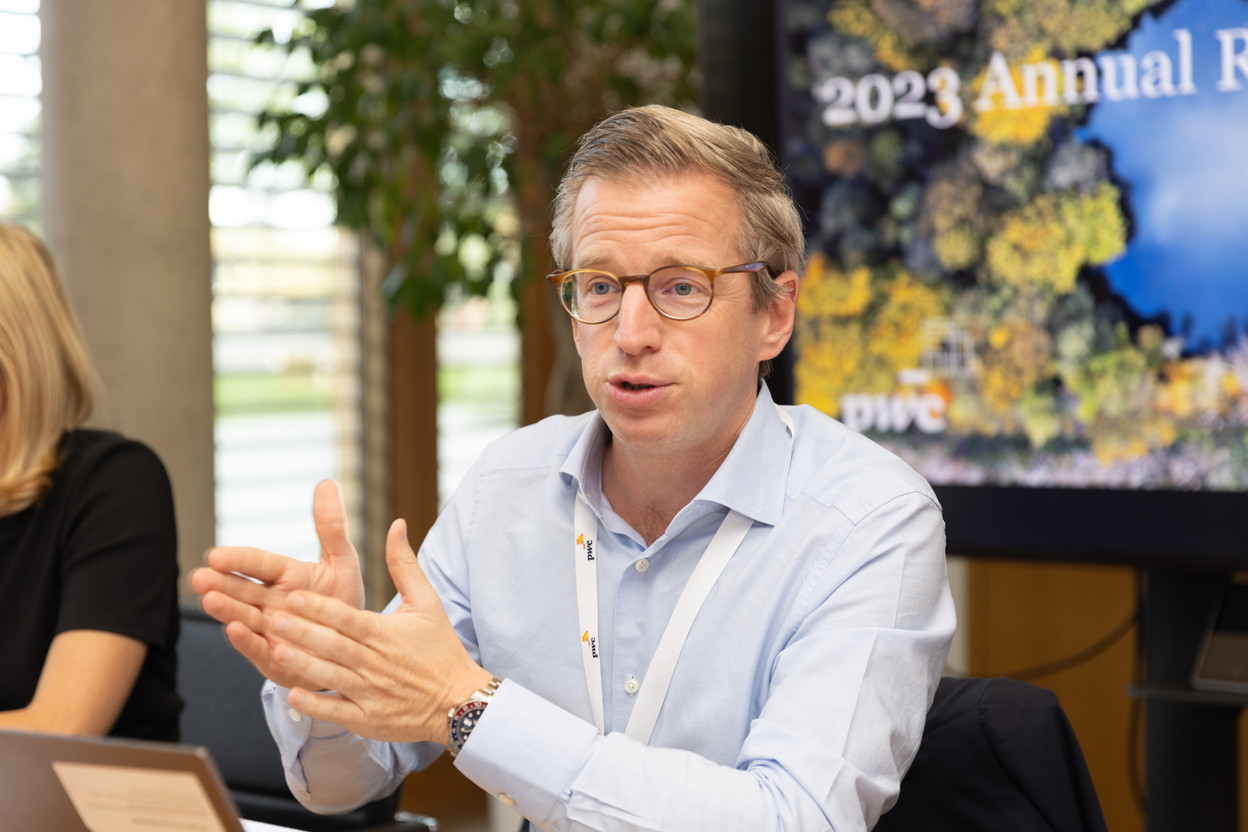
The exercise is like a kaleidoscope, presenting different truths depending on the angle from which they are viewed. In a 60-page report published on Wednesday 31 January, PWC presented the results of a survey of 2,012 managed companies (manco) in nine European countries--including 301 in Luxembourg--representing just under two-thirds of the mancos (Ucits manco, AIFM or super manco) registered with the European Securities and Markets Authority.
By 2022, for the first time, some of them had to provide detailed information on how they address Principal Adverse Impacts (PAI), in other words, the impacts of investment decisions or advice that have a negative effect on sustainability factors such as environmental, social and employee concerns, respect for human rights, anti-corruption and anti-bribery issues.
“Sustainability regulations will only continue to expand in scope and complexity over the coming years. Our analysis shows that there is still a lot of work to be done if PAI statements are to play a pivotal role in informing stakeholders about the negative sustainability impacts of investments and in driving forward sustainable investment,” explains PWC’s partner in charge of regulatory affairs, 
Read also
Five lessons
The first lesson is that only 29.1% of these mancos indicated that they had undertaken this first and very complicated exercise to comply with the European SFDR directive; 39.1% said that they were not required to do so; 22.2% had not completed a declaration or indicated whether they were going to do so and 9.6% had been liquidated, bought out or merged.
“PAI statements are the first step for many firms into sustainability reporting and may provide relevant actionable insights for stakeholders into what impacts firms’ investment decisions have on sustainability factors. Expected growing pains are clearly evident as required sustainability information is in many instances not easily accessible or available at all from the invested companies; for reported PAI results it is in general unclear what controls and quality management measures were put in place; and the reporting template required to be used by the firms is currently not designed to ensure comparability for reported results between firms as practices differ significantly,” qualifies Michael Horvath, partner and regulatory advisor at PWC Luxembourg. “This is why we have developed our proprietary scoring model, the PWC PAI Transparency Score Card, which tracks compliance, completeness and transparency of PAI disclosures, to support improved future benchmarking on entity level.”
Secondly, of those who had reported, 25.9% obtained the worst grade, an F, which covers three scenarios: either they indicated that they had produced a report but did not (130 cases); or they completed a report for their products when required to submit one for the structure (15 cases); or, finally, they left it encrypted and therefore inaccessible to the public (5 cases). None of the mancos obtained the highest grade A, and only three achieved a B grading. The majority of mancos (375) received an average grade (C or D). Two-thirds of those producing a report included it in their ESG report and other legal materials, while only 21.9% published their report on their website in a clearly defined section, as required by law. Advanced research techniques had to be used for 12.2% of mancos, according to the PWC report.
Third lesson: self-reported data indicates that super mancos have the highest carbon footprint at 450.4 tonnes per million euros, while AIFM and Ucits mancos follow with 399.2 tonnes and 395.7 tonnes per million euros, respectively.
Fourth lesson: the PAI 13 disclosure on board gender diversity aligns with recent European studies, showing that companies invested in the three manco categories have, on average, between 29.8% and 32.6% women on their boards across their investments.
Fifth lesson: the year 2024 will pose greater challenges for mancos, as the target expands from 14 Principal Adverse Impacts to 18, incorporating new criteria like the ratio of GHG emissions per unit of economic value, investments in countries with social violations, exposure to fossil fuels through real estate and exposure to energy inefficiency in real estate.
This article was first published in French on Paperjam. It has been translated and edited for Delano.