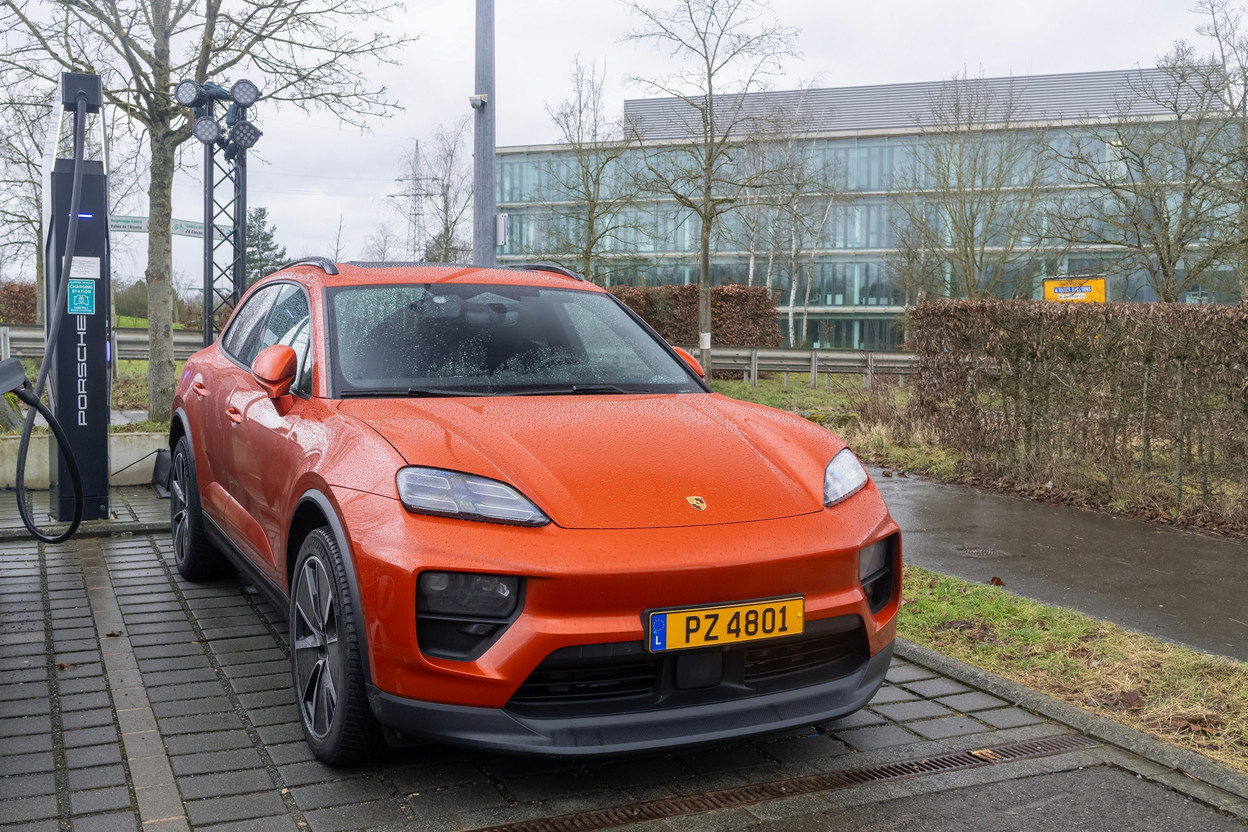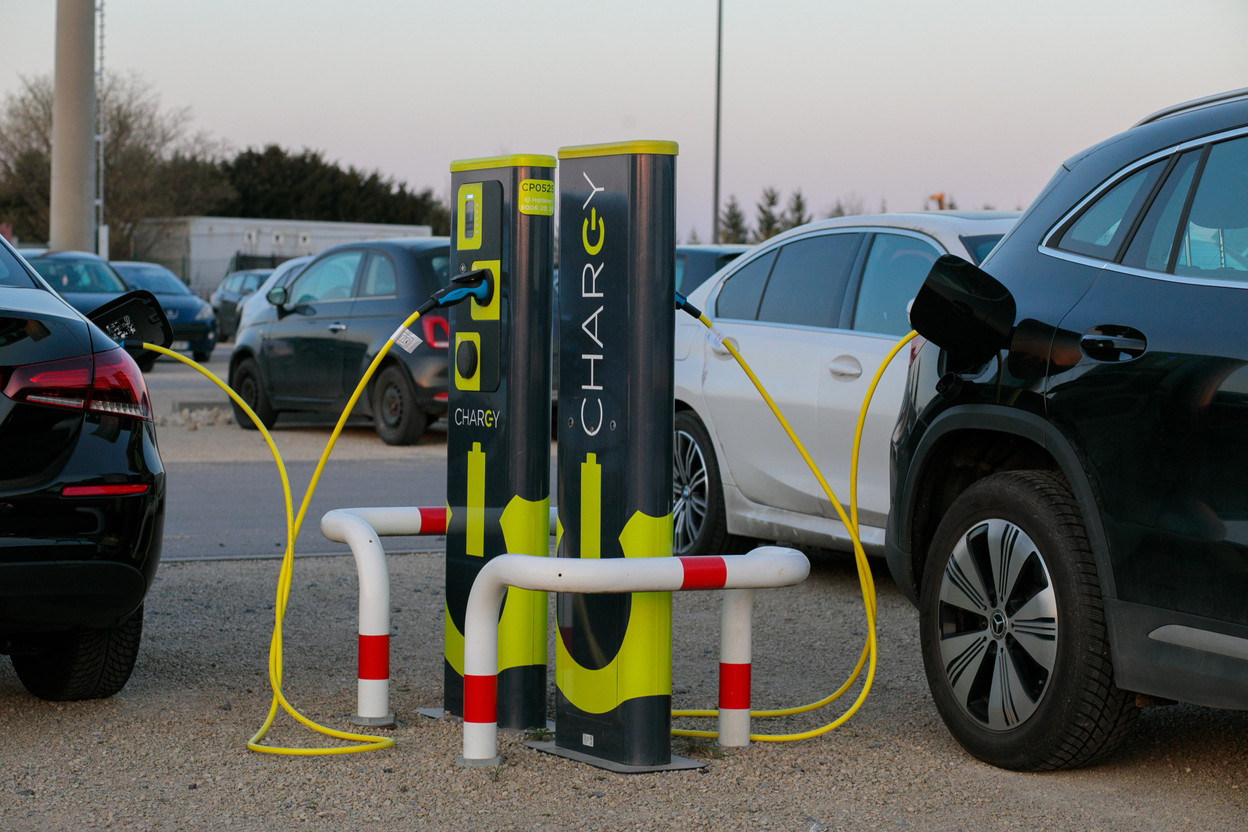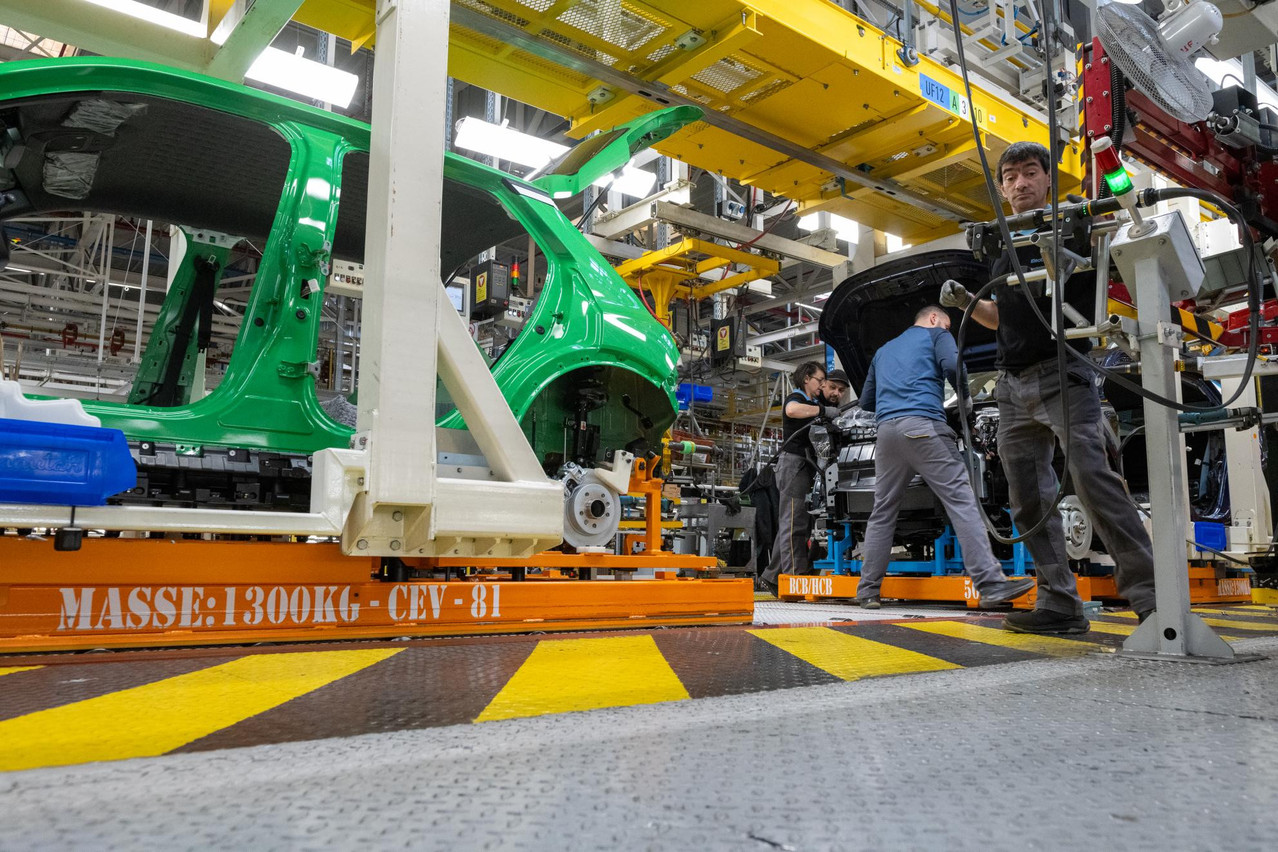
The information was unofficial and it is now official as of Tuesday 16 December. The European Commission is abandoning its all-electric target for carmakers by 2035, backtracking on one of its major environmental measures. While the sale of combustion-powered vehicles was initially to be completely banned on that date, Brussels is now paving the way for them to continue to be sold, as well as plug-in hybrids and range-extender models, provided that their emissions are fully offset.
The European Commission presented an "automotive" package on Tuesday and says it wants to maintain "a strong market signal for zero-emission vehicles" while providing "more flexibility for manufacturers". This change comes at a time when the automotive sector, the continent's industrial pillar, is going through a period of slowdown and increased competition. At the heart of the revision lies a relaxation of the CO2 targets: manufacturers will no longer have to achieve a 100% reduction in emissions from their fleets, but rather a 90% reduction, a change that redefines the economic balance of the sector and the allocation of its investments. The Commission specifies that "the remaining 10% of emissions will have to be offset by the use of low-carbon steel made in the Union or electronic fuels and biofuels".
This mechanism now allows several technologies to remain on the market after 2035, as Brussels indicates that "plug-in hybrid vehicles (PHEVs), range extenders, light hybrid vehicles and internal combustion engine vehicles" will continue to play a role alongside electric and hydrogen vehicles. At a press conference, Commissioner Stéphane Séjourné defended this development, saying: "Is Europe calling into question its climate objective? The answer is no. (...) Europe is confirming its course of decarbonisation by 2035 for the automotive industry. It's a clear course that has been maintained and taken on board. However, the calculation methods are changing. The flexibilities we are introducing do not call this objective into question. Any potential additional emissions generated by these flexibilities will have to be fully offset upstream."
1.8 billion for batteries
The Commission is strictly supervising this new balance: on average, each vehicle sold will have to achieve 11 gCO2/km, which will oblige manufacturers to offset any sales of combustion models with a significant volume of zero-emission vehicles. Brussels is also seeking to support European production, stating that the package "supports vehicles and batteries manufactured in the European Union". The €1.8bn Battery Booster should "accelerate the development of a battery value chain entirely made in the EU". The executive is also promising significant administrative relief via the "automotive omnibus", which should save "around €706m a year" for manufacturers.
The text finally introduces measures to stimulate demand, including an initiative targeted at corporate fleets. The Commission explains that this will "support the uptake of zero-emission and low-emission vehicles", and that bringing more low-carbon used vehicles onto the market "will benefit all customers". It also requires vehicles receiving public support to be zero- or low-emission and produced in the EU, a condition presented as a competitive lever.
While the European executive assures us that it will "remain on the path of clean mobility with pragmatism", the package as a whole marks a major shift in direction: the date of 2035 will no longer mean a total ban on combustion engines, but the entry into a hybrid model where several technologies will coexist, subject to compensation constraints, redefining the industrial and economic balances of the European automotive sector.