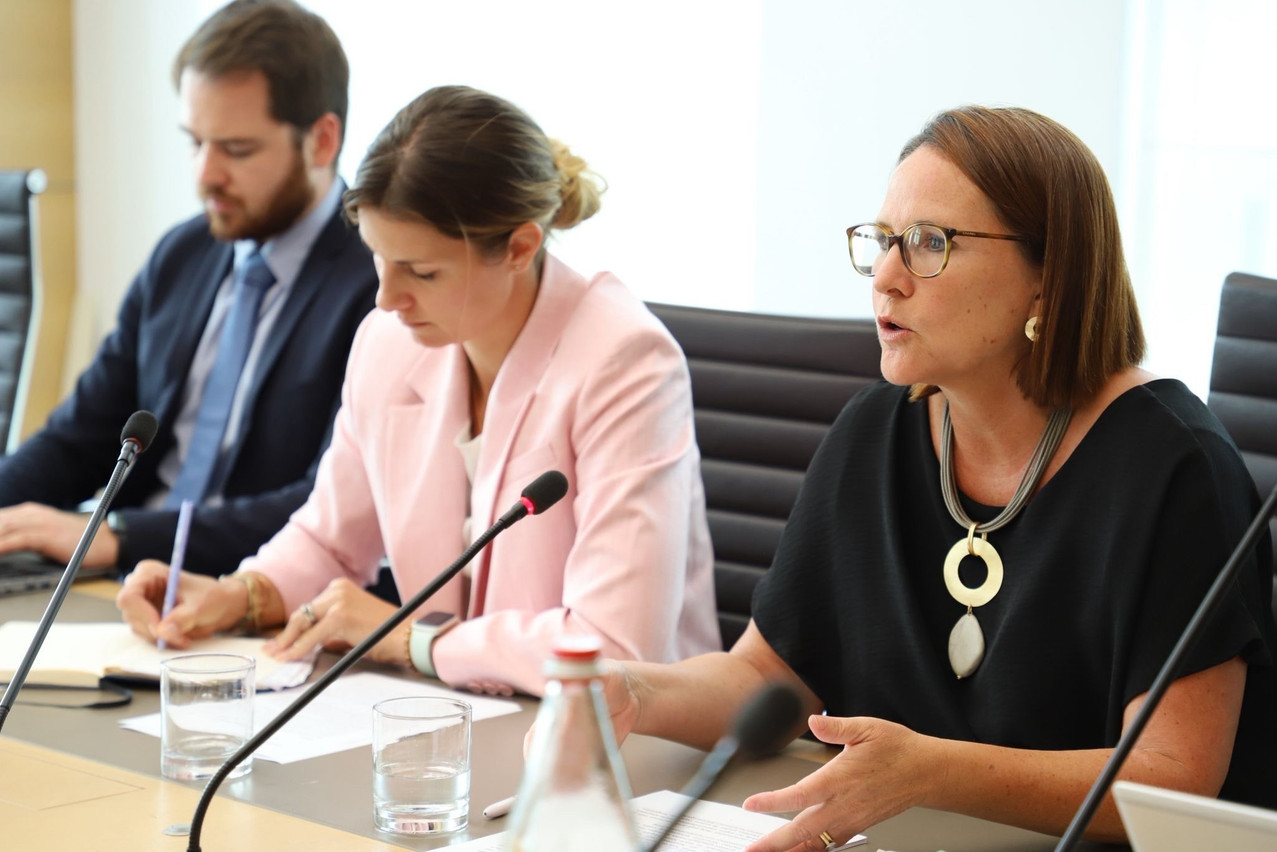
On Monday 21 July, the minister for gender equality and diversity, 
The results are mixed. In recent years, Luxembourg has seen the emergence of a number of acclaimed initiatives: guides to good practice, training for employers via IMS Luxembourg, an inclusive e-learning programme and collaboration with the social partners. However, according to figures from the EU Fundamental Rights Agency, 16% of LGBTIQ+ people in Luxembourg still say they are discriminated against in their working environment. The report points out that the backlash seen elsewhere in Europe--hate speech, hostile petitions--no longer spares the country.
“The first LGBTI national action plan of 2018 was an important step forward, but recent reactions show that Luxembourg is not immune. It is more important than ever to continue to fight against all forms of discrimination,” said Backes in the action plan report.
The new plan focuses on the economic impact of inclusion. Among the measures announced are an evaluation of the 2023 law on bullying at work, the organisation of an LGBTIQ+ Jobday by the national employment agency Adem, and awareness-raising sessions for labour inspectors, staff representatives, occupational health physicians and trade unions. The government also wants to promote internal roles related to diversity, strengthen the functions of equality delegates and create certifying training for HR professionals on LGBTIQ+ issues.
As for businesses, the executive intends to step up its support for responsible approaches: funding CSR labels via the National Institute for Sustainable Development and Corporate Social Responsibility (INDR), providing support for SMEs, encouraging them to sign the Lëtzebuerg Diversity Charter and launching an annual event to highlight “inclusive leaders.”
Entrepreneurship is also the subject of a specific strand. The economy ministry plans to extend support for the House of Entrepreneurship to better reach under-represented people, while also supporting studies into the specific barriers faced by LGBTIQ+ people in setting up a business.
Coordinated by the ministry of gender equality and diversity, together with the participation of 15 ministries, this plan makes equality at work a government priority, both socially and economically. The aim is to consolidate an economic fabric that is more inclusive, more attractive and more representative of the grand duchy’s diversity.
This article was originally published in French.