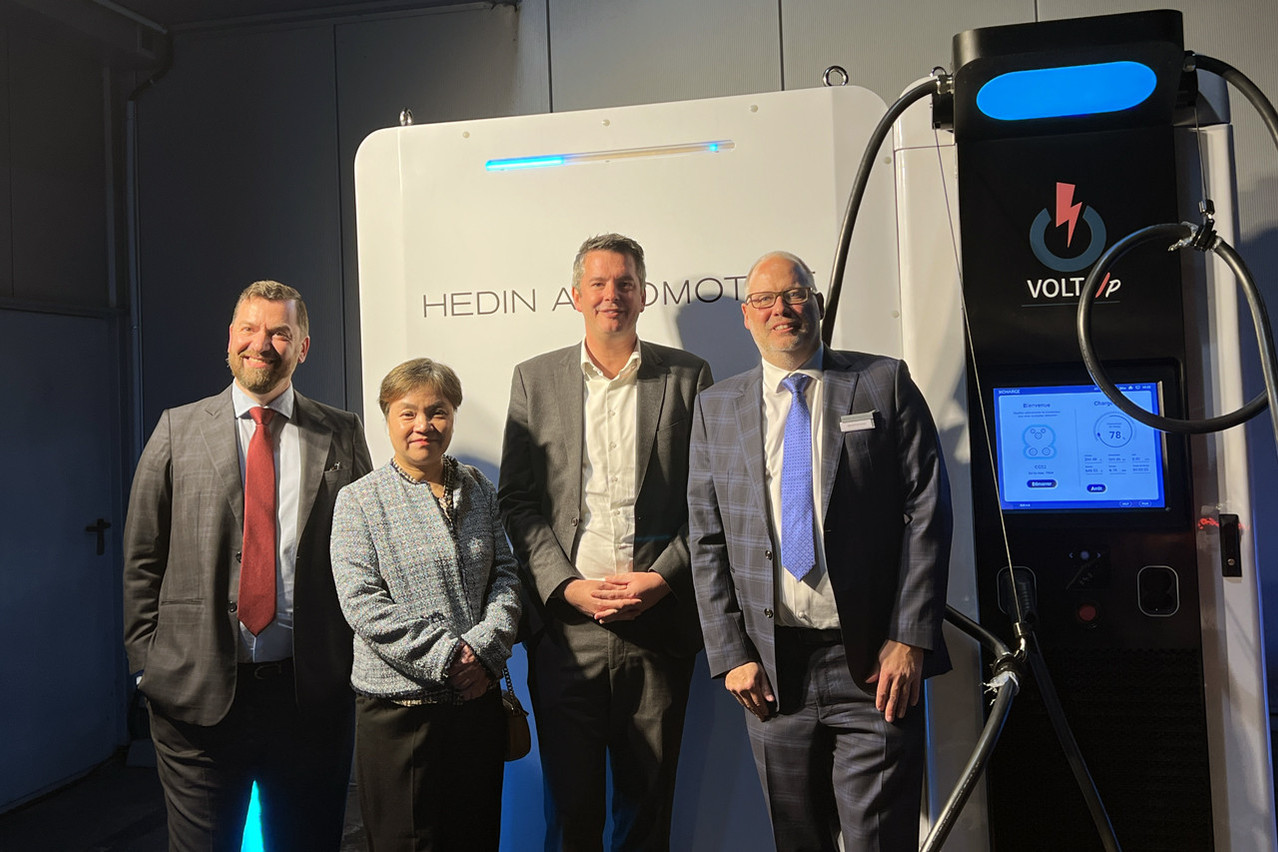
The presentation of Fusion Boost marks a new stage for electric mobility in Luxembourg. On Thursday 30 October, Hedin Automotive Luxembourg hosted the event alongside Volt Up and its technology partner XCharge Europe. The inauguration evening, held in Luxembourg, was attended by a representative of the Chinese Embassy and the Minister for the Economy, 
The system combines a fast charging point with a bi-directional battery that can store and release energy as required. A direct response to the power constraints faced by many operators and commercial sites.
"Everyone wants to charge their car, but not everyone has the availability of grid power," explained Volt Up founder and CEO 
For the Site Manager of Hedin Automotive Luxembourg, Bernd Fuhrmann, this collaboration illustrates "the group's desire to support the energy transition by integrating flexible, scalable and ready-to-use solutions for users".
Lex Delles hailed an innovation "that is fully in line with the national energy storage strategy". He said: "With more than 3,200 public charging points installed, we now need to deploy complementary solutions in places where a conventional charging point does not yet make sense. This type of technology fully meets that need."
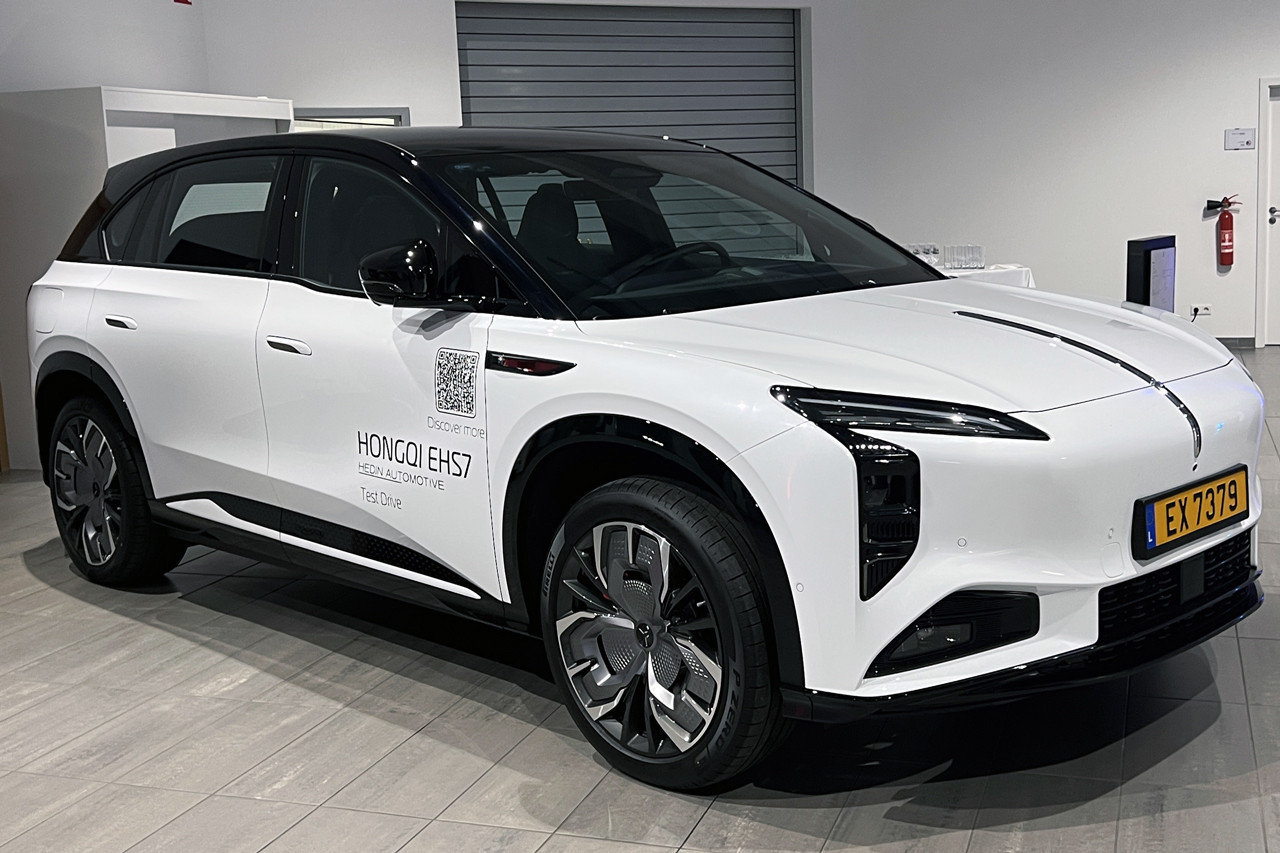
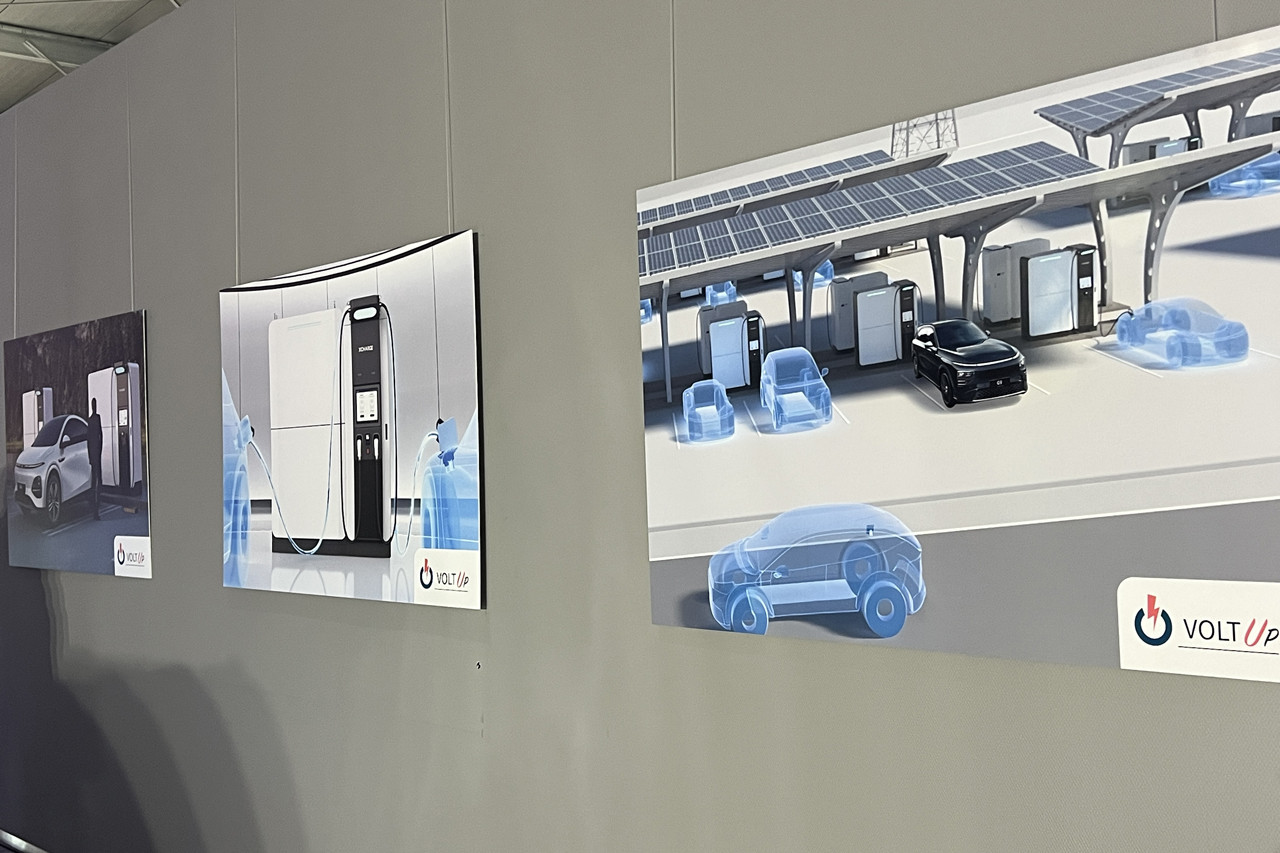
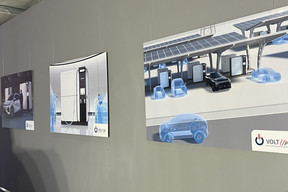
A modular, two-way architecture
On the technical front, The Fusion Boost, presented by Michaël Quilbeuf, Business Development Manager at XCharge Europe, is based on the "Net-Z Series" technology developed by XCharge. This new-generation model combines a 194 kW DC charging point with a 466 kWh LFP (lithium-iron-phosphate) battery, enough to power several rapid recharges without putting any strain on the grid.
"We have seven power modules inside: two 30 kW AC/DC modules to convert energy from the grid to the battery, and five 30 kW DC/DC modules," Michaël Quilbeuf detailed. "When we use the recharging strip, we're going to have 150 kW coming from the storage batteries."
The Fusion Boost stands out for its connection flexibility: it can operate on grid powers ranging from 10 to 60 kW, with a full charge in 3.5 hours at 60 kW. It is also compatible with solar energy, thanks to a 30 kW photovoltaic input, and offers a bi-directional (V2G) mode for sending electricity back to the building or the grid.
The equipment, supervised remotely via a cloud platform, can be deployed without network reinforcement, an ideal solution for public car parks, logistics sites or rural areas with limited power.
"Our model is more efficient because we have a single AC/DC conversion to the battery, whereas a traditional system has up to three conversions," explains Michaël Quilbeuf. "We therefore gain between 5 and 15% in efficiency."
Finally, a second generation of the Fusion Boost is already in development: it will incorporate a 55-inch screen, bidirectional power modules and enhanced storage capabilities.
By combining battery, charger and energy management software (EMS), Volt Up, XCharge and Hedin Automotive are laying the foundations for an intelligent charging ecosystem in Luxembourg.


