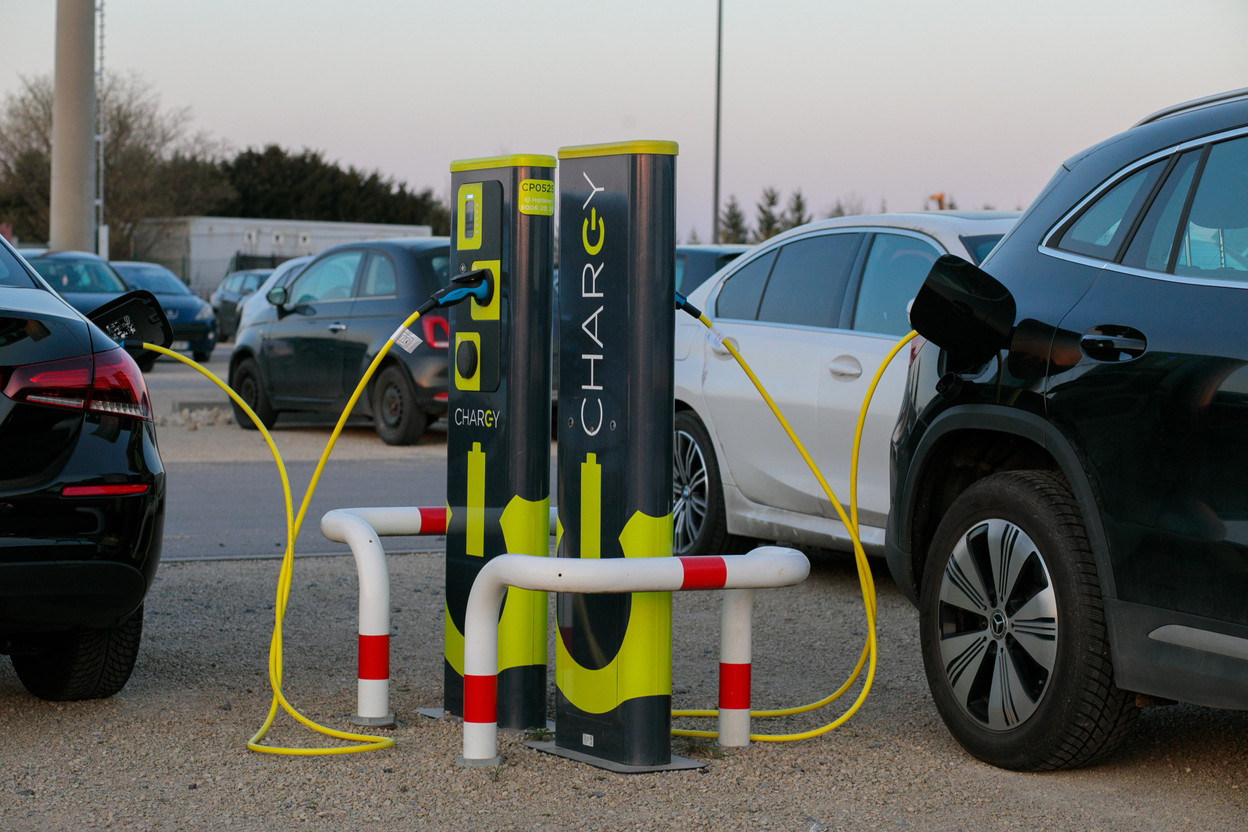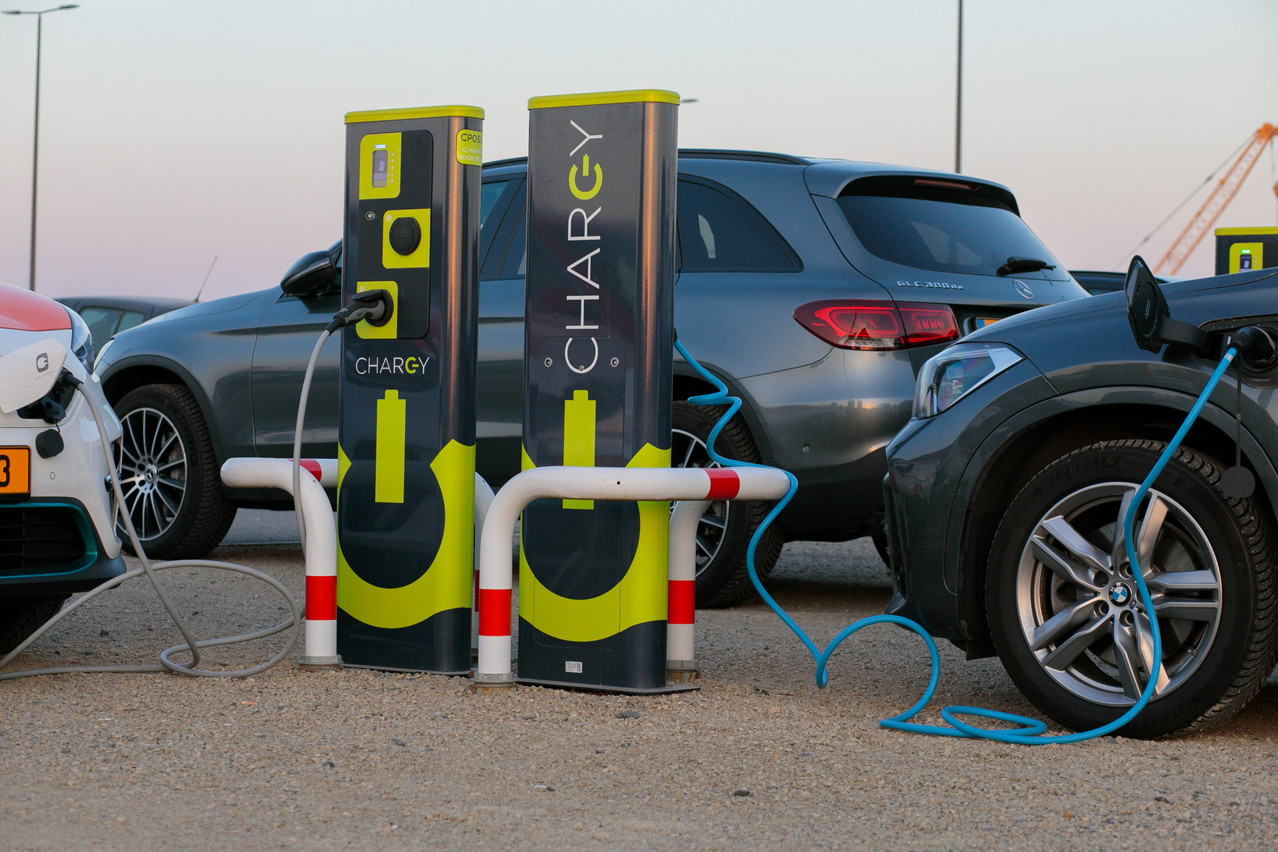
The ministry of the economy has selected 20 new projects led by companies based in Luxembourg. As a result, 232 new charging points for electric vehicles will be created, 124 of which will be accessible to the public. The total amount of public aid allocated amounts to €4.3m, representing co-financing of up to 50% of the investment.
This initiative marks the end of a first cycle that began in 2022 with the entry into force of the law on aid for charging infrastructure. In three years, 132 projects have been supported under these successive calls, with 1,857 charging points installed (681 public and 1,176 private) and €23.7m in aid granted. On the business side, this represents more than €64m in cumulative investment--an indicator of the private sector’s growing support for climate objectives.
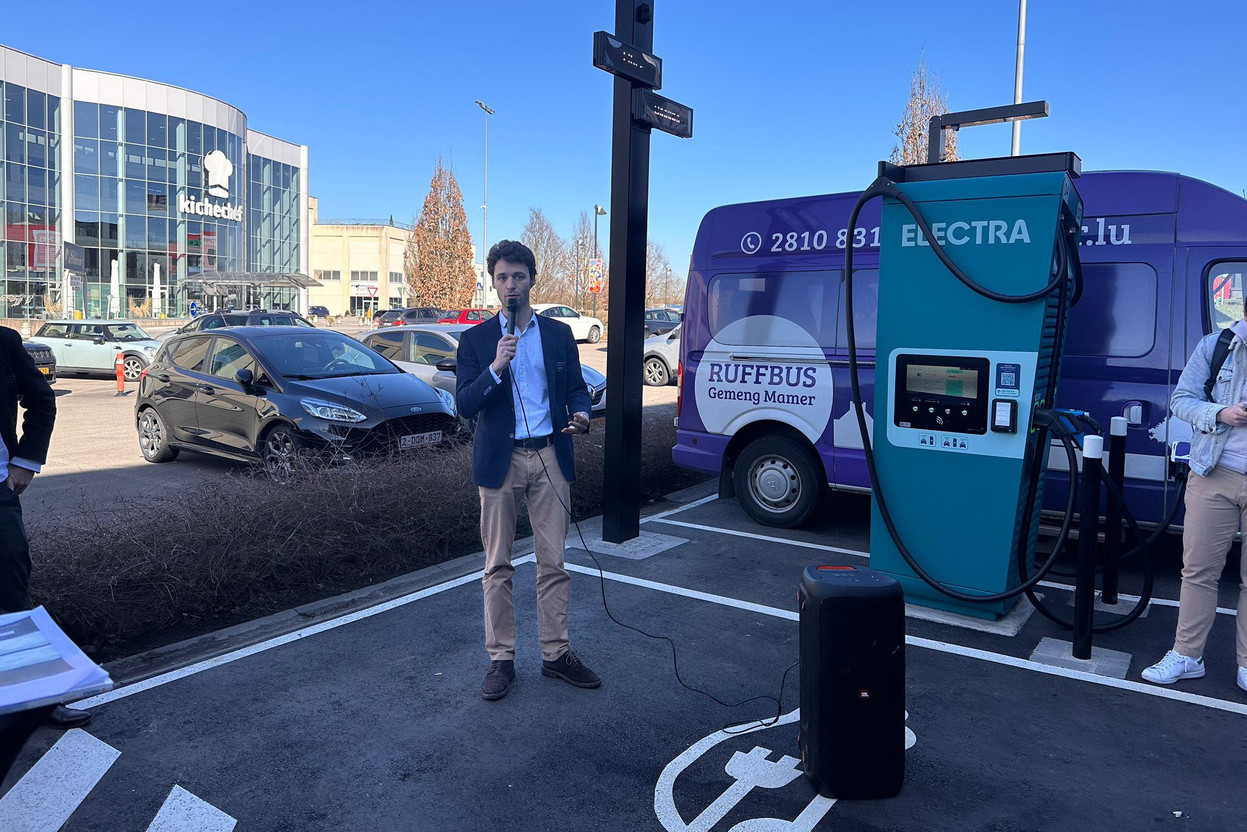
A new call for projects was launched in February 2025, with a budget of €5m dedicated to ultra-fast charging stations (minimum 175 KW).
In addition to the traditional calls for projects, a parallel scheme--reserved for SMEs--made it possible to support a further 540 charging stations. This scheme, which expires at the end of 2024, has mobilised €2.2m in aid for projects totalling €5.7m in investment. Beneficiaries benefit in two ways: by improving their carbon footprint, but also by meeting the growing demand from their customers, employees or partners for recharging.
In a country where the share of electric vehicles in new registrations regularly exceeds 20%, the challenge for companies is no longer just ecological, but also logistical and competitive.
A new law to include hydrogen
In order to ensure the continuity of this policy, the Chamber of Deputies voted in early July for an adjustment to the 2022 law. This broadens the scope of aid for hydrogen refuelling infrastructure and includes new uses, in particular mobile refuelling stations that can be temporarily installed at construction sites or events.
The text also introduces an SME scheme extended until 30 September 2026, with accelerated processing of applications (one month deadline). For small businesses, public aid may cover up to 50% of costs, and 40% for medium-sized businesses.
This modernisation of the legal framework also enables Luxembourg to comply with the European obligations set out in the Afir regulation, which imposes minimum infrastructure targets in each member state--including for heavy goods vehicles. By supporting a denser territorial network, the country is strengthening both its energy resilience and its integration into Europe's low-carbon transport networks.
“The electrification of the transport sector, which generates almost two-thirds of greenhouse gas emissions in Luxembourg, is a major challenge for our climate policy. Through this law, we are strengthening our support for companies committed to decarbonisation and further facilitating the deployment of charging infrastructures throughout the country,” said economy minister 
This article was originally published in French.