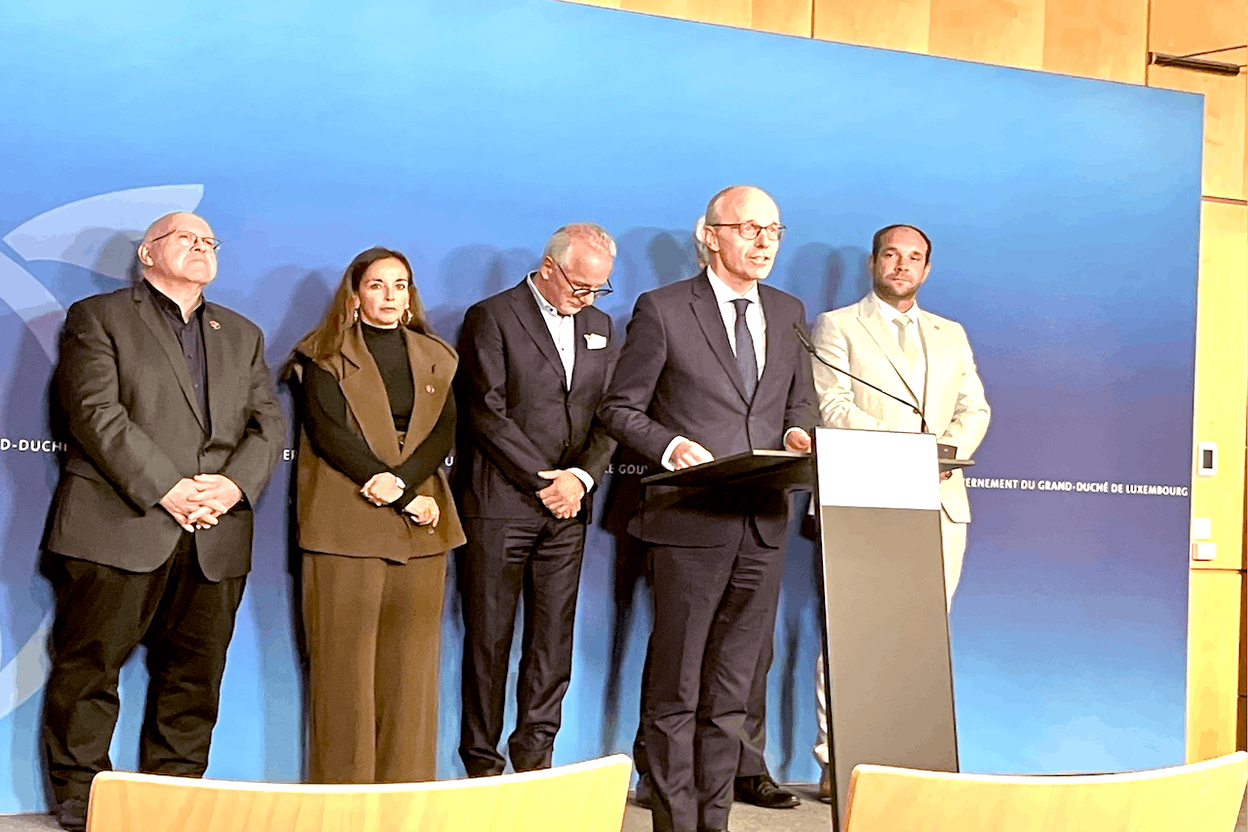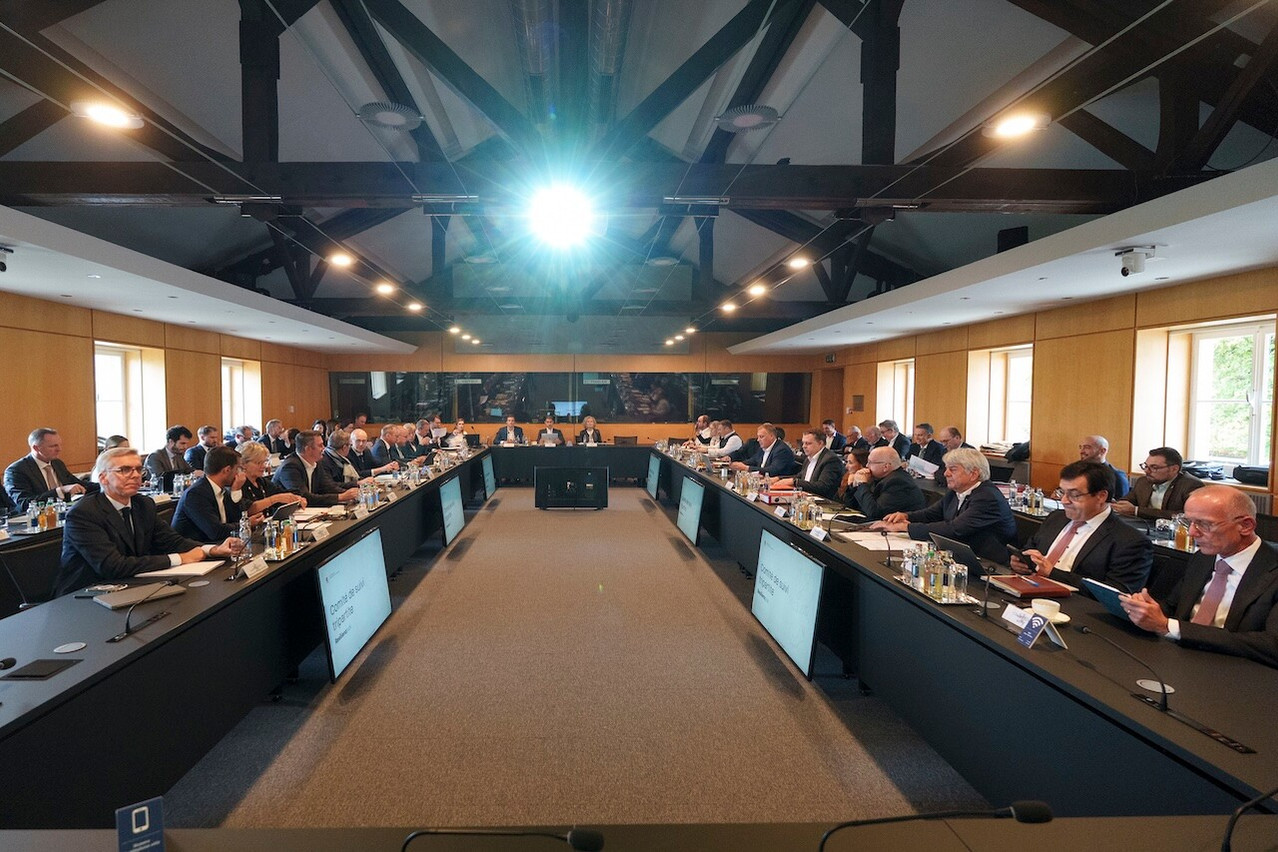
Seven days after an initial meeting to review the Resilienzpak, the government and the social partners are meeting again this Thursday 29 October, to continue negotiations on energy support measures for petrol, electricity, gas and heating oil. According to Statec, these support measures have fulfilled their role in cushioning the impact of inflation. However, they were designed to address a short-term shock. Given that it is now clear that pressure on energy prices will persist, the support measures – which are due to end on 31 December – will be extended with the same objectives in mind: to protect purchasing power, safeguard jobs, support businesses, prevent social unrest and demonstrate the effectiveness of tripartite dialogue.
The key question is: until when, and with what budget? By the evening of 22 October, the parties had gone their separate ways to refine their calculations before resuming discussions. Since then, the General Confederation of the Civil Service (CGFP) has declared itself in favour of a possible extension of the existing measures, subject to two conditions: all provisions must remain unchanged and the extension must not exceed three months. The confederation thus intends to allow for a further assessment phase: to maintain the protection temporarily, then reassess the situation before deciding on the next steps. The other participants did not wish to make their demands public in order to preserve the quality of the dialogue on 22 October, during which the social partners agreed not to comment on the negotiations.
A change of tone
For this first day also marked a shift in relations between the participants. The constructive atmosphere described at the end of the meeting stood in stark contrast to the tensions that had characterised the previous tripartite meetings led by the Frieden government. 
The atmosphere was so calm that the contentious issue – indexation – was addressed from just one perspective: that of the measures to be taken to postpone the next indexation tranche for as long as possible, at least until after June 2027. According to Patrick Dury, the measures to be introduced, extended or confirmed should, ‘in the best-case scenario’, ensure that there remains a 12-month interval between two indexation tranches. There is therefore no question of altering the mechanism itself. The CGFP has already reaffirmed its opposition to any challenge to the mechanism, even if a new indexation tranche were to be triggered in the short term.
This Thursday, the consensus on the value of the support measures must be translated into decisions on their extension. The dialogue has regained a sense of calm; it must now lead to an agreement.
Uncertainties beyond Senningen
Negotiators will also have to contend with an external environment over which they have little control. By a twist of fate, this Thursday 29 October at 2.30pm, the European Central Bank (ECB) is due to announce its interest rate decisions. The consensus among analysts is that the Frankfurt-based institution is likely to keep its rates unchanged: 2.9% for the marginal lending facility, 2.5% for the deposit facility and 2.65% for the refinancing facility. Analysts also believe that these rates are likely to be raised at the ECB’s Monetary Policy Committee meeting in December. Changes to these rates will affect the financing conditions for households and businesses, placing further pressure on Luxembourg’s economic decision-making.
As for the situation in the Middle East, it remains dependent on the outcomes of two elections. Firstly, the Israeli elections on 27 October. These elections failed to produce a majority and suggest it will be some time before the next government is formed. And, of course, the mid-term elections in the United States, which look set to be uncertain. This event is likely to influence Washington’s policy direction in the Middle East. These political events are fuelling the uncertainty within which energy scenarios must be developed.