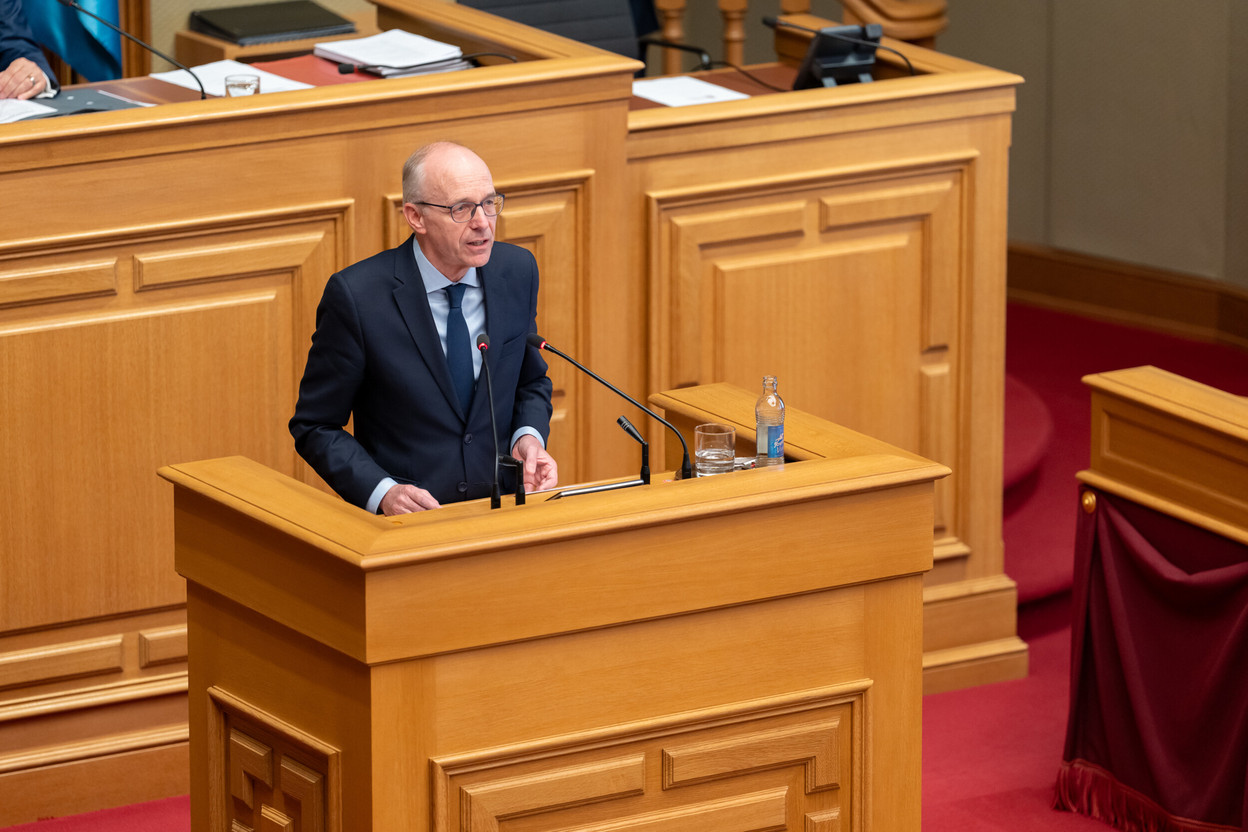
The respite may be shorter than expected. Whilst the measures adopted following the tripartite meeting in June were intended to curb inflation and postpone the next indexation – following that which took place on 1 June – until June 2027, the ongoing energy crisis poses a high risk of an earlier indexation of wages and pensions. When questioned by Paperjam on Tuesday 20 October during the meeting of the tripartite monitoring committee, the director of Statec, 
“There are indeed very significant risks: the next index-linked adjustment could well take place before June 2027, which was the target set following simulations based on the measures adopted,” he said, without going into further detail. “Statec must first complete its calculations and update its forecasts.” We will know more on 4 November, the date announced by the director of Statec for the publication of the new inflation forecasts. And the escalation of geopolitical tensions will weigh heavily. “The new international assumptions reflect more sustained price rises,” explains Tom Haas. For whom the next instalment is drawing nearer.
The summer respite has faded
“Government measures have certainly had an effect on prices,” says Tom Haas. At the monitoring committee meeting, Statec compared actual inflation with the trajectory that would have prevailed without intervention, setting them against the scenarios presented in early June. However, this comparison shows that the improvement seen at the start of the summer has gradually lost momentum. “At the start of the summer, the inflation trajectory was more favourable than anticipated, but over the last few weeks, we have effectively returned to the scenarios presented at the time,” explains the director.
A return to these scenarios does not mean that the support measures have ceased to have an effect. It reflects a less favourable shift in the environment in which they operate. The war in Iran and its impact on energy markets have altered the outlook. “A few months ago, we were expecting a temporary shock,” recalls Tom Haas. At the time, the markets and analysts were anticipating a resolution within a few months. Now, they are expecting higher prices and, above all, prices that will remain high for the long term.
Sustained inflation
This change in duration alters the assessment. The measures introduced in June had been designed to cushion a temporary shock. However, according to Tom Haas, analysts are now pointing ‘more towards a structural crisis with effects lasting several years’. As regards the indexation timetable, this persistence is a decisive factor: persistently higher prices may bring the point at which the threshold triggering a further 2.5 per cent rise in wages and pensions is crossed closer.
Statec’s forecasts have already been adjusted several times this year. On 6 May, its baseline scenario predicted an indexation in June 2026, followed by a further tranche in the second quarter of 2027. This second instalment had then been brought forward by one quarter compared with the February forecasts. On 5 August, following less unfavourable price developments than anticipated and the incorporation of the Resilienzpak, the institute had postponed the next tranche to the third quarter of 2027. An indexation as early as the fourth quarter of 2026 was nevertheless included in its alternative scenario of a sharp rise in energy prices.