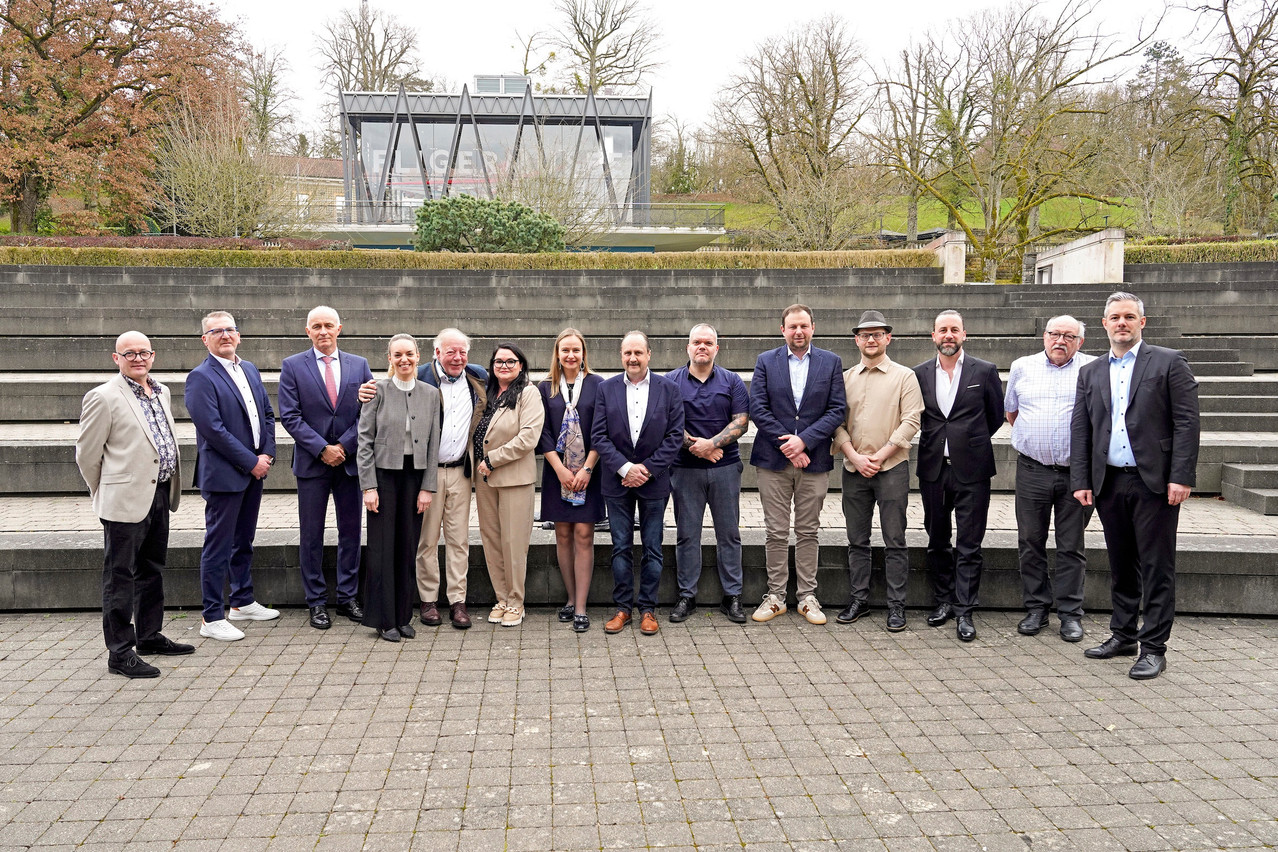
Luxembourg's hospitality sector is trying to stay on course in an increasingly demanding environment. Meeting on Tuesday 10 March at the Domaine Thermal in Mondorf for its annual general meeting, the Horesca federation (Fédération nationale des hôteliers, restaurateurs et cafetiers du Grand-Duché de Luxembourg) renewed part of its governance while putting on the table the structural challenges weighing on the country's hotels, restaurants and cafés.
Members approved the 2026 accounts and budget, but the main business was elsewhere. The General Meeting ratified the composition of an enlarged Board of Directors of 16 members, intended to reflect the diversity of the sector and strengthen its capacity for representation. Following the vote, Alain Rix was re-elected Chairman for a further term, flanked by 
A changing economic context
Beyond the statutory mechanics, the message sent by the federation is clear. "The Luxembourg hotel and catering industry plays an essential role in the country's economy, tourism and social life," says Alain Rix in a press release published on Wednesday 11 March. But behind this obvious fact, professionals have to deal with an increasingly changing economic and regulatory context. The stated aim of the new management team is to "support businesses and create the conditions for their strategic and sustainable development".
The round table organised in the wake of the AGM, attended by the Minister for the Economy, SMEs, Energy and Tourism, among others, 


In this context, the federation is also adjusting its internal organisation. As a result, the post of secretary general is evolving into that of chief executive, now held by
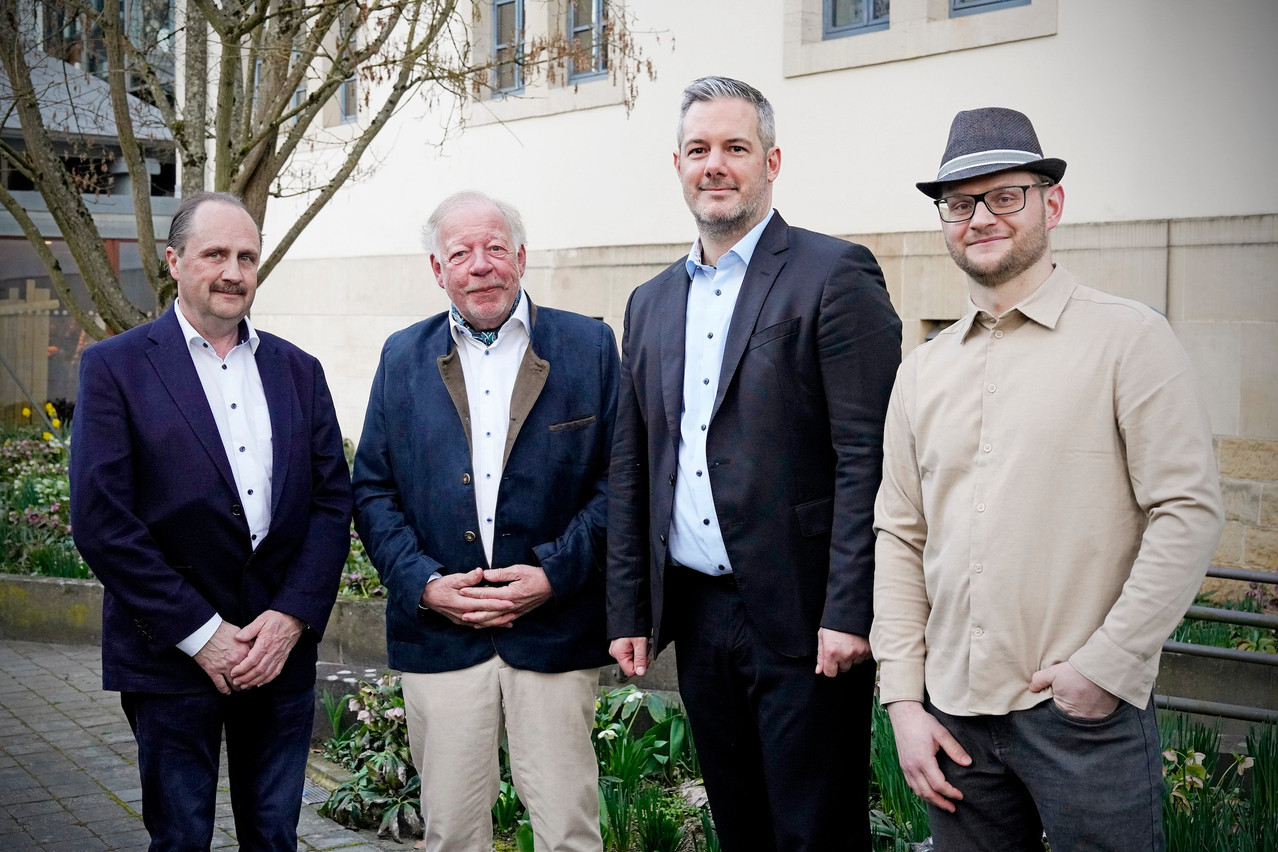
Romain Weber, vice-president (Tourism) of the Horesca; Alain Rix, president; Steve Martellini, managing director, and Ben Weber, vice-president (Catering). Missing is Carlo Cravat, vice-president (Hotels). Photo: Olivier Minaire/brain&more