The week combines unusually concrete domestic choices over tax, education and public spending with a broader European question: whether political agreement on what needs to change is being matched by implementation.
Monday 14 September
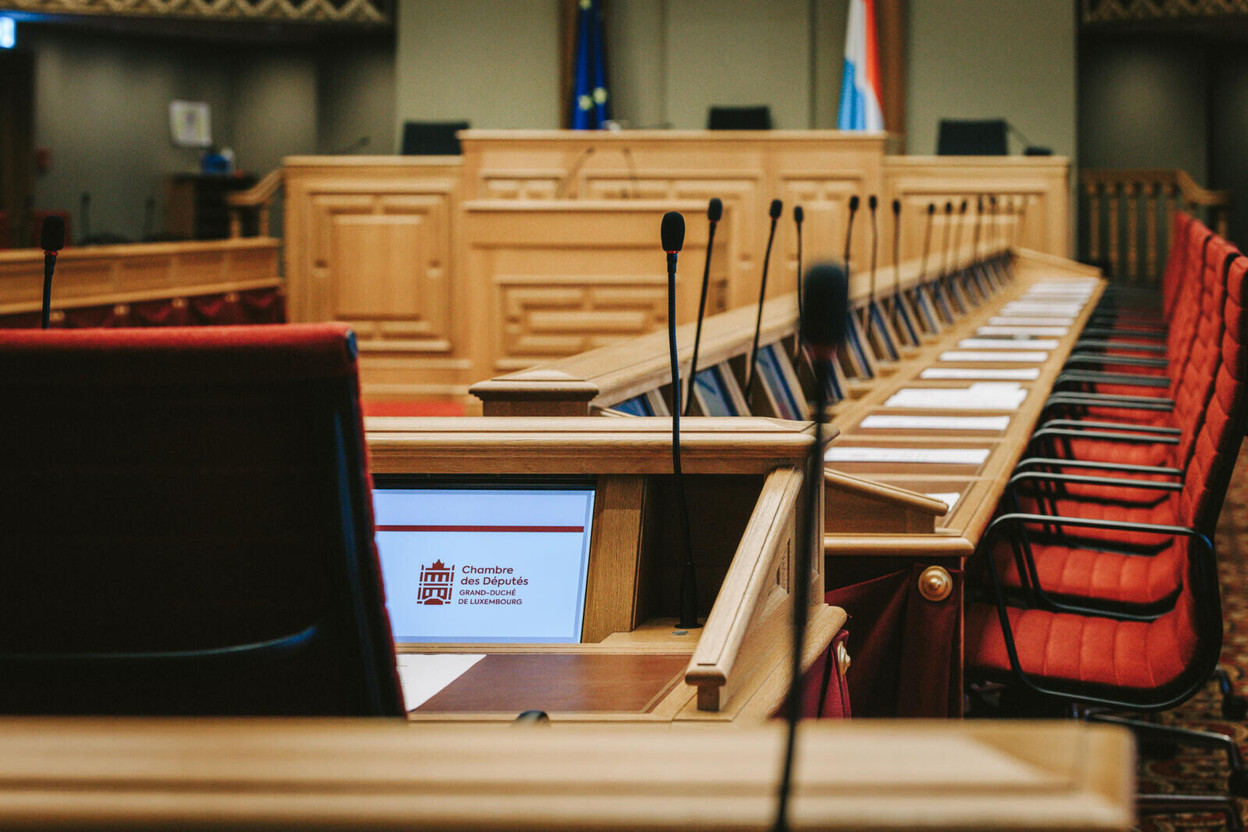
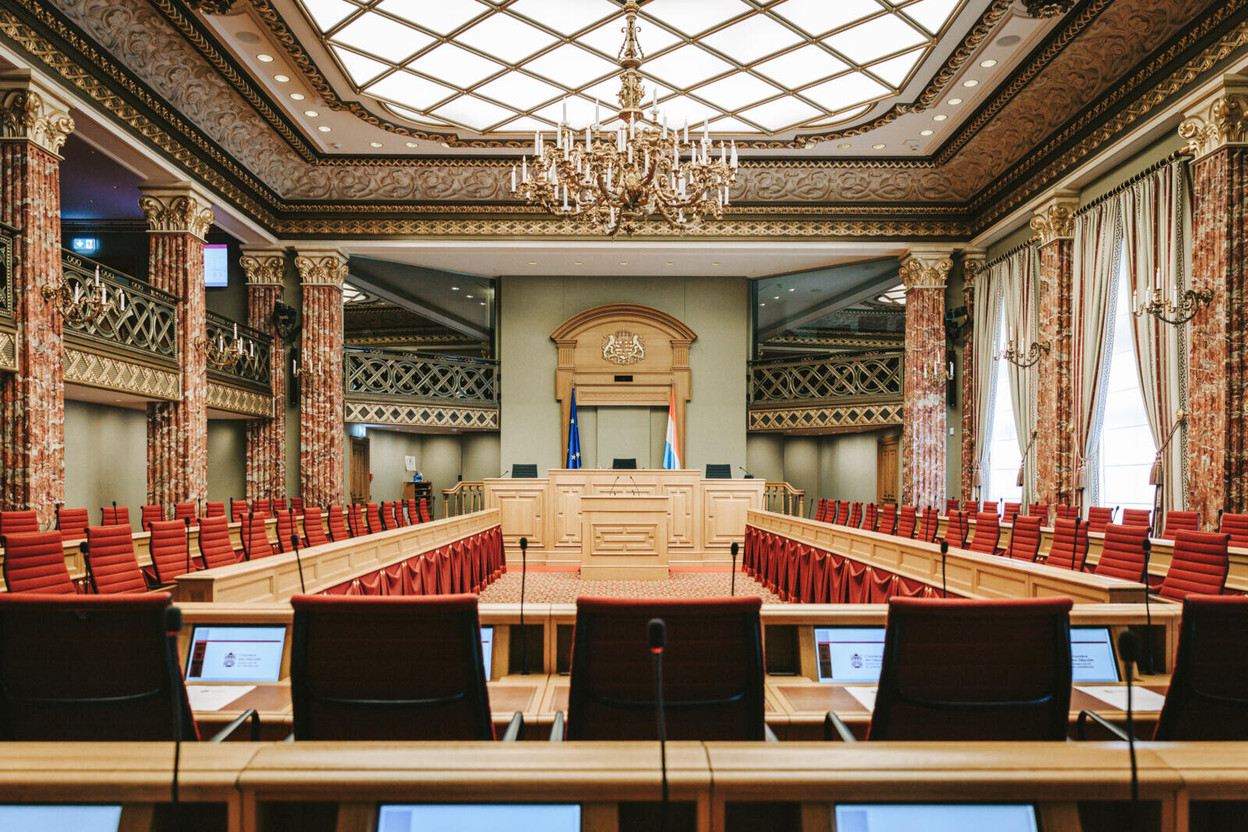
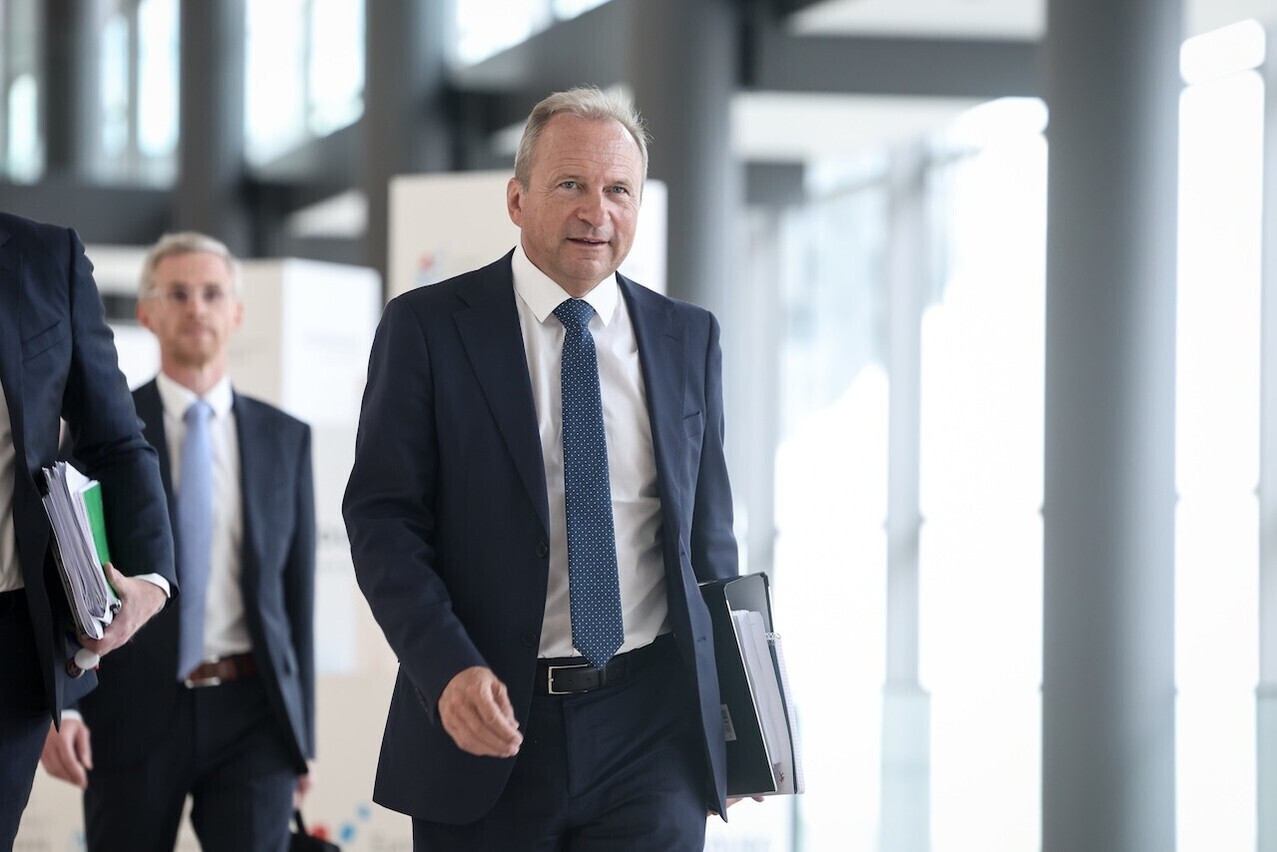
Parliament. The CSSF will face MPs over reported Gazprom bond transactions involving executives of Gazprombank Luxembourg, although the limits of the hearing are already clear. CSSF director Claude Marx is legally barred from answering questions about ongoing supervisory work.
The reported conduct has been raised in international media and parliamentary questions but has not been established as misconduct. MPs can nevertheless question the regulator about its procedures, resources and broader framework for referring information to prosecutors.
Elsewhere, MPs will examine the European Commission’s latest rule-of-law assessment, which found some further progress on court digitalisation and access to official documents but called for both reforms to be intensified.
The Gender Equality Observatory will present its 2025 report. Luxembourg’s average gender pension gap stood at 31.2%, while 29.5% of women worked part-time compared with 9.3% of men; police recorded 1,297 domestic-violence interventions, up 10% in a year.
Tuesday 15 September
Parliament. The practical stakes of tax reform will become clearer when the Finance Committee examines parliament’s research on individual taxation. The government plans to abolish tax classes 1, 1a and 2 from 2028, while couples formed before then could retain collective taxation with income splitting for up to 25 years.
For a couple earning €100,000, two equal earners would save €5,201 a year under a government example, while a 75:25 income split produces a saving of just €22. A one-income couple on the same total would instead pay €10,410 more under individual taxation.
The parliamentary research finds that the new tariff becomes more favourable than current class 2 only once the second earner contributes roughly a quarter of household income. The reform remains before parliament and is expected to reduce tax revenue by €850m in 2028 and €910m in 2029 before additional deductions and allowances.
Education will provide another difficult set of figures. Luxembourg’s PISA 2025 score fell from 483 to 458 in maths and from 470 to 443 in reading compared with 2018; 38% of pupils were below minimum proficiency in reading, while the socio-economic performance gap in science reached 130 points against an OECD average of 85. Education Minister Claude Meisch has linked the results to a national reading plan and discussions over a smartphone ban in the lower years of secondary school.
MPs will also begin examining legislation to expand specialist medical training in Luxembourg. Nearly one third of practising paediatricians could reach retirement age by 2030, while the proposal would create new specialist programmes and extend state-paid allowances to doctors training in Luxembourg even when enrolled at foreign universities.
Wednesday 16 September
European Commission. Ursula von der Leyen’s State of the Union will come two years after Mario Draghi set out his diagnosis of Europe’s competitiveness problems. Different trackers put implementation at different levels, but all point to a large part of the agenda still unfinished: estimates range from 15.7% of recommendations fully implemented to around 30% implemented, depending on methodology.
The pressure is also visible in business indicators. A Deloitte follow-up to the Antwerp Declaration found that 83% of 29 competitiveness indicators had stagnated or deteriorated since 2024, while Fedil president Alex Schumann said this week that Europe’s problem was no longer diagnosis but implementation. Von der Leyen’s speech will therefore be watched for evidence of delivery as much as for new initiatives.
Parliament. The national vélodrome comes before MPs with both a higher construction bill and a growing operating commitment. Its estimated cost had risen from the originally authorised €63.87m to €98.17m by March, with the government now seeking another €17.8m in parliamentary authorisation after indexation already covered part of the increase.
A linked bill would place the future Mondorf vélodrome under the same public operator as the Coque, with additional annual expenditure expected to reach about €5.6m by 2030.
Immigration reform will also move closer to a plenary vote. The proposal would remove the first-year restriction tying third-country workers to one sector and profession, subject to notification and a labour-market check, while abolishing an investor residence route used by only nine third-country nationals since 2017.
The same bill would narrow simplified family-reunification rules for beneficiaries of international protection. MPs are scheduled to adopt the committee report after Luxembourg missed the May deadline for transposing the EU’s single-permit directive.
The Ombudsman’s 2025 report will add another immigration pressure point, reporting family-reunification processing times of around 34 months in early 2026, up from about 17 months the previous summer. The Petitions Committee is meanwhile due to validate a petition demanding an emergency plan for the Metz–Thionville–Luxembourg rail line after it displayed 5,862 signatures.
Health MPs will return to the failed mediation between doctors’ association AMMD and public health fund CNS. The meeting itself changes nothing for patients, but may clarify the government’s role and the route back to negotiations; MPs will separately examine the termination of the agreement between laboratory federation FLLAM and the CNS.
Business. The Chamber of Commerce will hold its “It’s the economy, stupid!” forum, with competitiveness, innovation, security and sovereignty providing a Luxembourg counterpart to the debate taking place in Strasbourg.
Thursday 17 September
European Commission. EU Financial Services Commissioner Maria Luís Albuquerque is due to speak at EUROFI in Dublin ahead of the Eurogroup and informal ECOFIN meetings.
European Central Bank. Claudia Buch and Piero Cipollone will take part during the week in a conference on financial-market regulation and supervision, while the ECB is also due to publish euro-area investment-fund statistics.
Friday 18 September
Council of the European Union. Finance ministers and central-bank governors gather in Dublin for Eurogroup and informal ECOFIN meetings on 18 and 19 September, with macroeconomic developments, financial stability and wider EU strategic priorities on the agenda. Any Luxembourg intervention or national position will determine how much domestic weight the meetings acquire.
European Parliament. MEPs are also due during the week to handle legislation intended to simplify intra-EU transfers of defence-related products, defence procurement and permitting for defence-readiness projects.