Monday 13 July
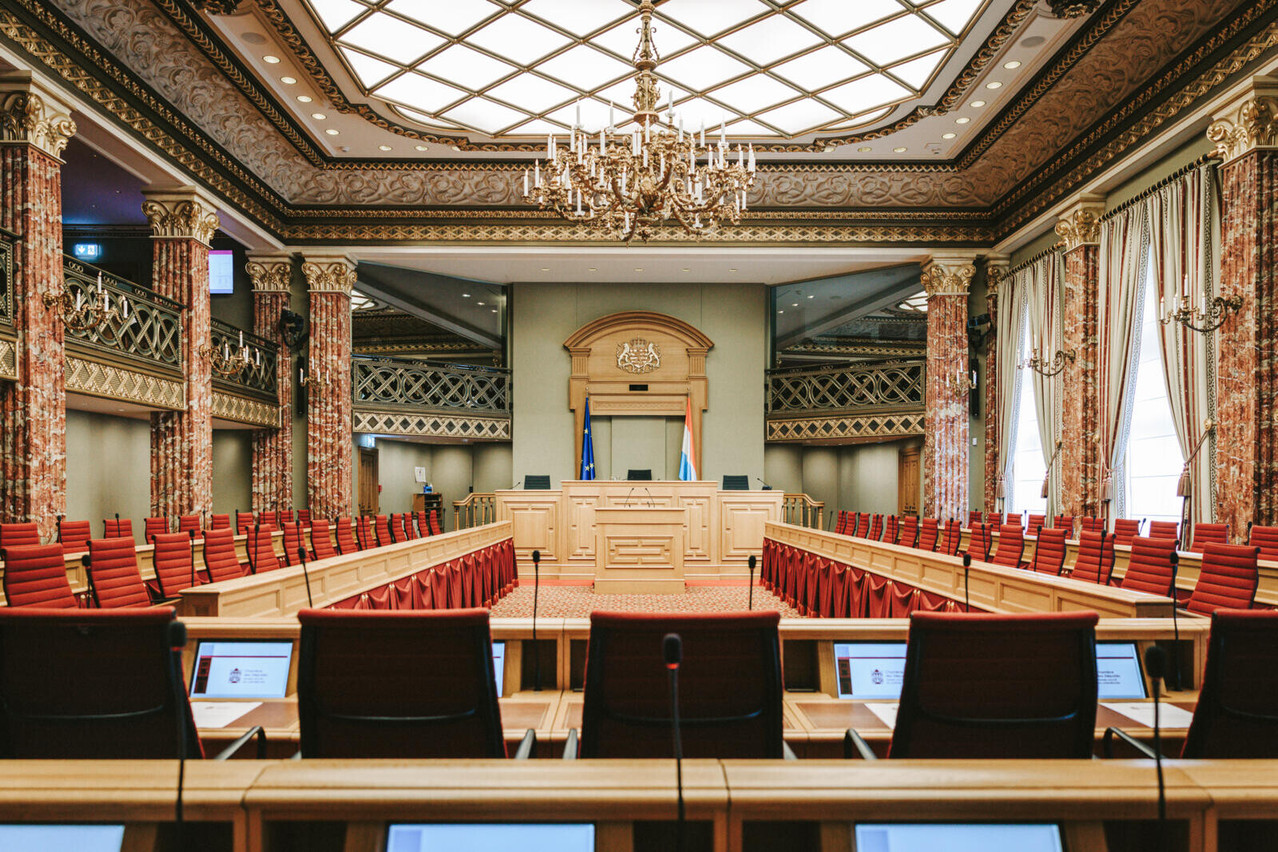
Parliament. The week begins away from the chamber, in the committee rooms where the final details of the bills to be put to the vote are being ironed out. Among the most closely watched issues is the Space Campus of Kockelscheuer, which is set to become one of the flagship initiatives of Luxembourg’s space strategy. Members of Parliament will also continue their work on several pieces of legislation relating to sustainable housing and energy subsidies, in particular heat pumps and energy-efficiency renovations.
The Committee on Institutions will address a number of institutional issues, including the reform of the independent bodies attached to the Parliament, as well as developments in military and civilian service.
Finally, the Tripartite Special Committee is to put the finishing touches to the aid scheme designed to provide temporary relief on electricity bills for large industrial consumers.
Council of the European Union. The Irish Presidency is presenting its work programme and key priorities in the agriculture and fisheries sectors for the second half of 2026. EU agriculture ministers will discuss the European Commission’s strategy on livestock farming and the protein plan. They will also discuss the role of women in agriculture and recent developments in trade-related agricultural issues.
Government. Austria’s Defence Minister, Klaudia Tanner, is to pay a working visit to Luxembourg.
Tuesday 14 July
Parliament. Schools, immigration… ahead of the first round of votes, the morning will be dominated by discussions on two sensitive issues. The National Education Committee will take stock of the implementation of the “Alpha – zesumme wuessen”, which enables pupils to begin their education in the language – German or French – that they are most proficient in. Members of Parliament will examine the initial results of the pilot scheme for a reform that continues to provoke heated debate. The Committee on Home Affairs, for its part, will be briefed on developments in the criminal investigation concerning the General Department of Immigration.
This afternoon, the first plenary session will take place. Members of Parliament will vote, amongst other things, on extending the powers of the Financial Intelligence Unit in the fight against money laundering, reforming support for the middle classes, funding the Space Campus, providing exceptional support to major electricity consumers, the modernisation of legislation governing medical analysis laboratories, and measures to enhance the status of the nursing profession.
Council of the European Union. General Affairs Council meeting. On the agenda: the priorities of the Irish Presidency.
Wednesday 15 July
Parliament. A day of plenary sessions devoted to housing and infrastructure. Housing will be at the heart of the discussions, with several major pieces of legislation relating to the reorganisation of the Fonds du logement, new funding measures designed to boost the housing supply, as well as schemes to support the energy transition. MPs will also be called upon to vote on several major infrastructure investments: the creation of a Roads Fund, the extension of the tram line to the CHL, the development of intelligent transport systems, and the funding of public bus services.
The day will also include several more technical votes, notably on the organisation of the State’s financial oversight and on Luxembourg’s contribution to the International Development Association.
Thursday 16 July
Council of the European Union. Informal meeting of Justice and Home Affairs Ministers on 16 and 17 July in Dublin. During Ireland’s Presidency of the Council of the European Union, the agenda for justice and home affairs will focus on moving towards a fair, effective and rules-based management of migration, asylum and returns; strengthening Europe’s safety and security; combating organised crime; and protecting fundamental rights, the rule of law and access to justice.
Friday 17 July
European Commission. The Commission will present its new Energy Package, focusing on energy sovereignty and European competitiveness. In light of the continuing high cost of hydrocarbon imports, Brussels intends to accelerate the electrification of the economy, propose a new direction for the European carbon market (Seqe-ETS) and relax certain budgetary rules in order to facilitate the financing of the energy transition.