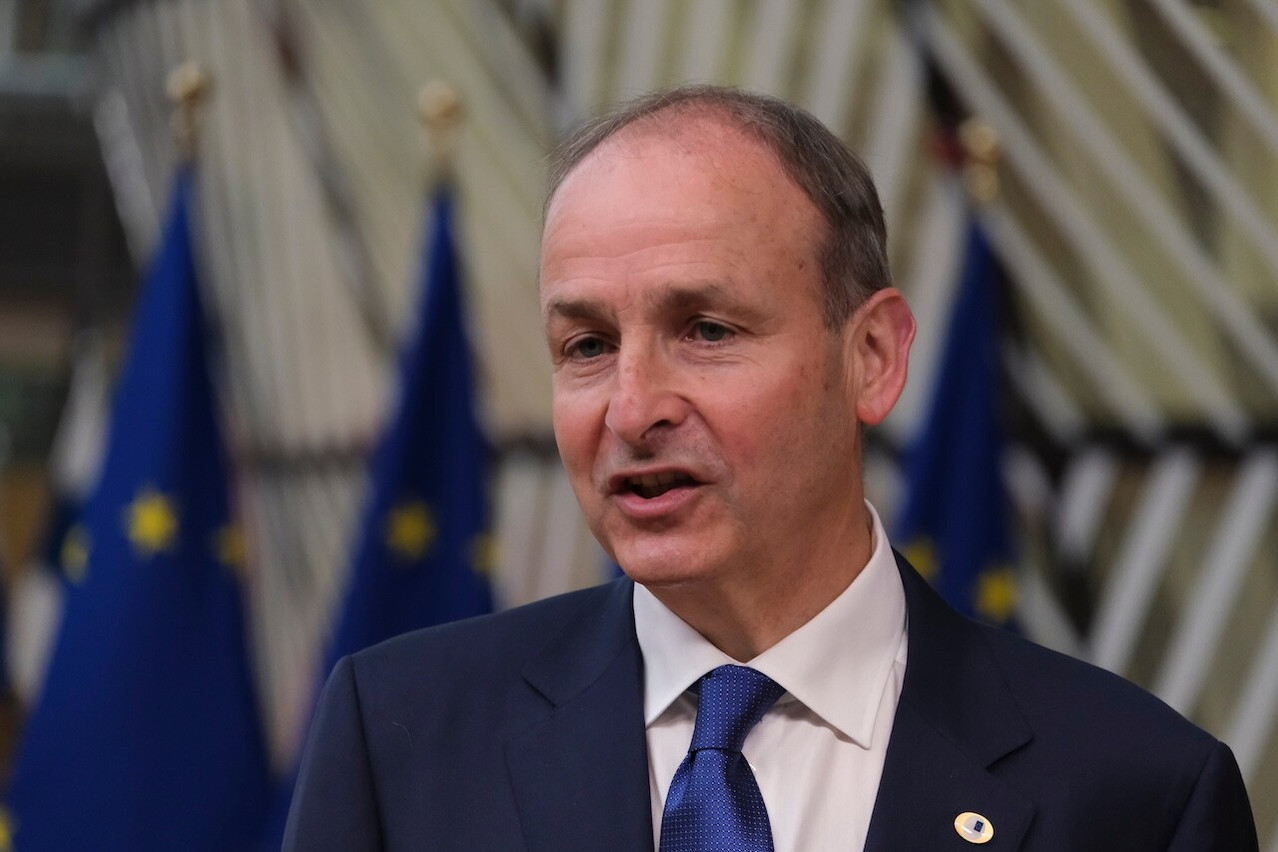
“Strength through unity”: it is under this motto that Ireland is taking on, from 1 July, Dublin took over the Presidency of the Council of the European Union. Dublin has structured its programme around three priorities: competitiveness, values and security. In reality, one of these largely overshadows the other two. Rarely has a presidency’s programme focused so heavily on a single objective. Throughout its 70 or so pages, competitiveness emerges as the common thread running through almost all European policies. Industry, energy, the digital sector, health, research, trade, agriculture, the budget and defence: each is now conceived as a lever designed to restore Europe’s ability to compete with the United States and China. Competitiveness is the theme that Prime Minister 
This shift does not represent a sudden change of course by Dublin. It reflects the evolution that has been underway since the start of the new European parliamentary term, influenced by the Draghi and Letta reports and the second von der Leyen Commission. Ireland, led by its Prime Minister Micheál Martin, is seeking not so much to impose a national vision as to put this new doctrine into practice.
From transition to competitiveness
The contrast with the previous parliamentary term is striking. Between 2019 and 2024, the Green Deal had served as the framework for a large proportion of European policies. The climate transition justified the adoption of a series of regulatory measures, from the ‘Fit for 55’ package to the new non-financial reporting requirements. The Irish programme does not call these objectives into question. It simply reframes them.
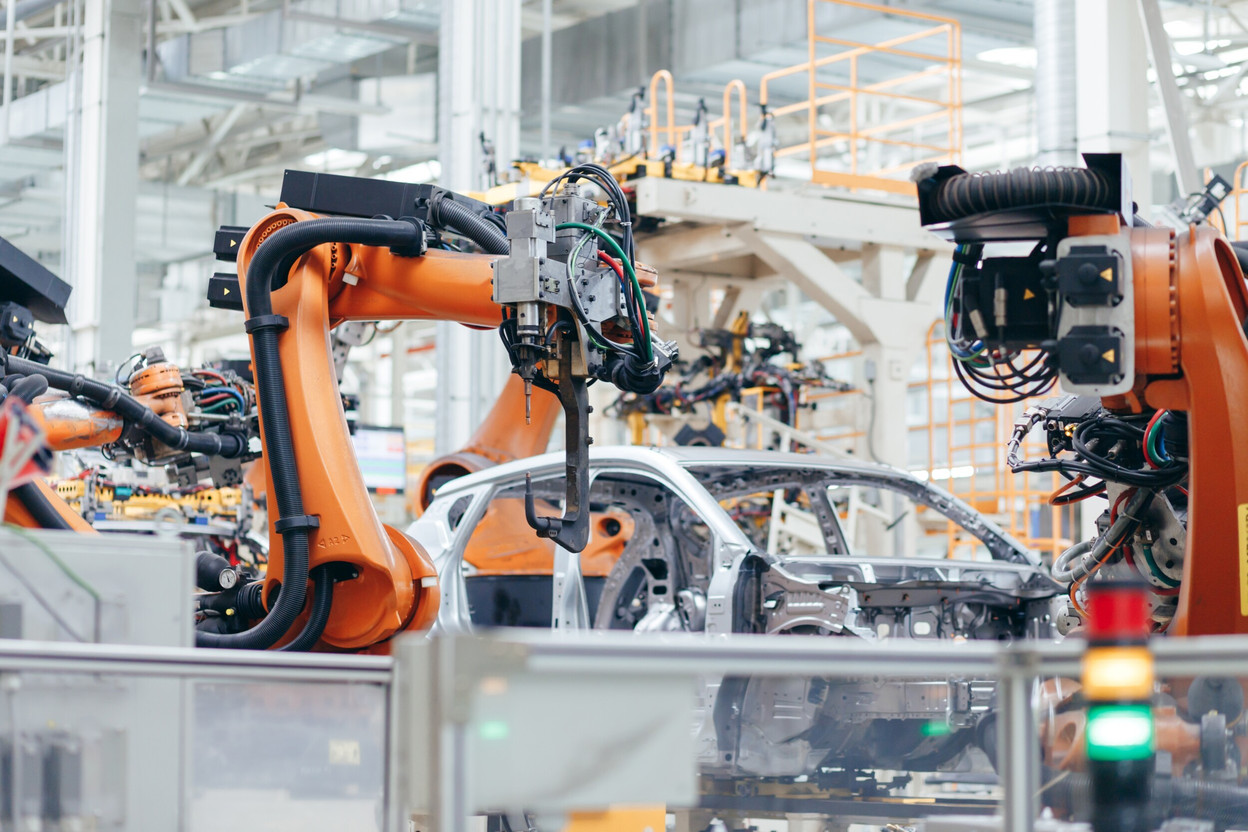
The energy transition is becoming a means of ensuring sovereignty and reducing costs for businesses. Investment in biotechnology, semiconductors and artificial intelligence should strengthen the continent’s technological autonomy. Even healthcare is presented as a driver of productivity, innovation and economic resilience. As for social policies, they are now justified by their ability to support a high-performing labour market and sustainable growth. The change lies less in the policies themselves than in their political justification.
Simplification rather than regulatory overreach
Another sign of this new phase is that regulatory simplification is becoming a policy objective in its own right. Ireland intends to push forward several ‘omnibus packages’ designed to ease the administrative burdens on businesses, whether in the environmental, digital, energy, agricultural or industrial sectors. The message has been carefully crafted. The aim is not to dismantle European standards, but to make their implementation simpler and more consistent. Implicitly, however, the presidency acknowledges that the accumulation of rules has become a cause for concern for European competitiveness.
The return of the single market
The other major theme for the half-year will be the strengthening of the internal market. Dublin wants to accelerate the Savings and Investment Union and facilitate the development of businesses across Europe through the ‘EU Inc.’ project, to continue work on the digital euro and to support investment in strategic sectors. Open trade also remains a pillar of the European strategy, with a commitment to diversifying partnerships whilst securing supply chains. This approach naturally reflects Ireland’s economic DNA, but it also aligns with Brussels’ growing desire to mobilise more private capital to fund European priorities.
A more geopolitical Europe
However, competitiveness does not mean that geopolitical concerns have disappeared. On the contrary. Support for Ukraine remains a key priority for the presidency, as does the continuation of accession negotiations with Kyiv, Moldova, Albania and Montenegro. European security now extends to cybersecurity, critical infrastructure, energy networks, submarine cables and the fight against hybrid threats. Here too, the reasoning is telling: security and competitiveness are presented as two sides of the same strategy aimed at strengthening the Union’s autonomy.
The big budget event
This new hierarchy of priorities will soon be put into practice. The Irish Presidency will be tasked with launching negotiations on the future multiannual financial framework for 2028–2034, which will need to balance a wide range of pressing needs: defence, innovation, the energy transition, support for Ukraine, the Common Agricultural Policy, cohesion and competitiveness.
This budget debate will be the real test of the new European doctrine. For making competitiveness the Union’s political priority now means determining which policies will need to be strengthened… and which will have to accept sharing more limited financial resources.
A strategic half-year for Luxembourg g
For Luxembourg, this presidency is of particular importance. The main agenda items announced – the Savings and Investment Union, the digital euro, deepening the single market, regulatory simplification and negotiations on the future EU budget – cut across several of the Grand Duchy’s strategic interests, whether in relation to its financial centre, its open economy or the European policies from which the country benefits.
Beyond the texts to be negotiated over the next six months, the Irish Presidency above all highlights the evolution of the European project itself. Faced with an economic slowdown, trade tensions and geopolitical upheavals, Brussels no longer regards competitiveness as just one policy amongst many. It now uses it as the framework through which to view all its actions.