On the one hand, businesses are taking greater precautions for December. On the other, they made less use of short-time working in August. Both indicators point to a strained economic situation, but not yet to an actual deterioration on the same scale.
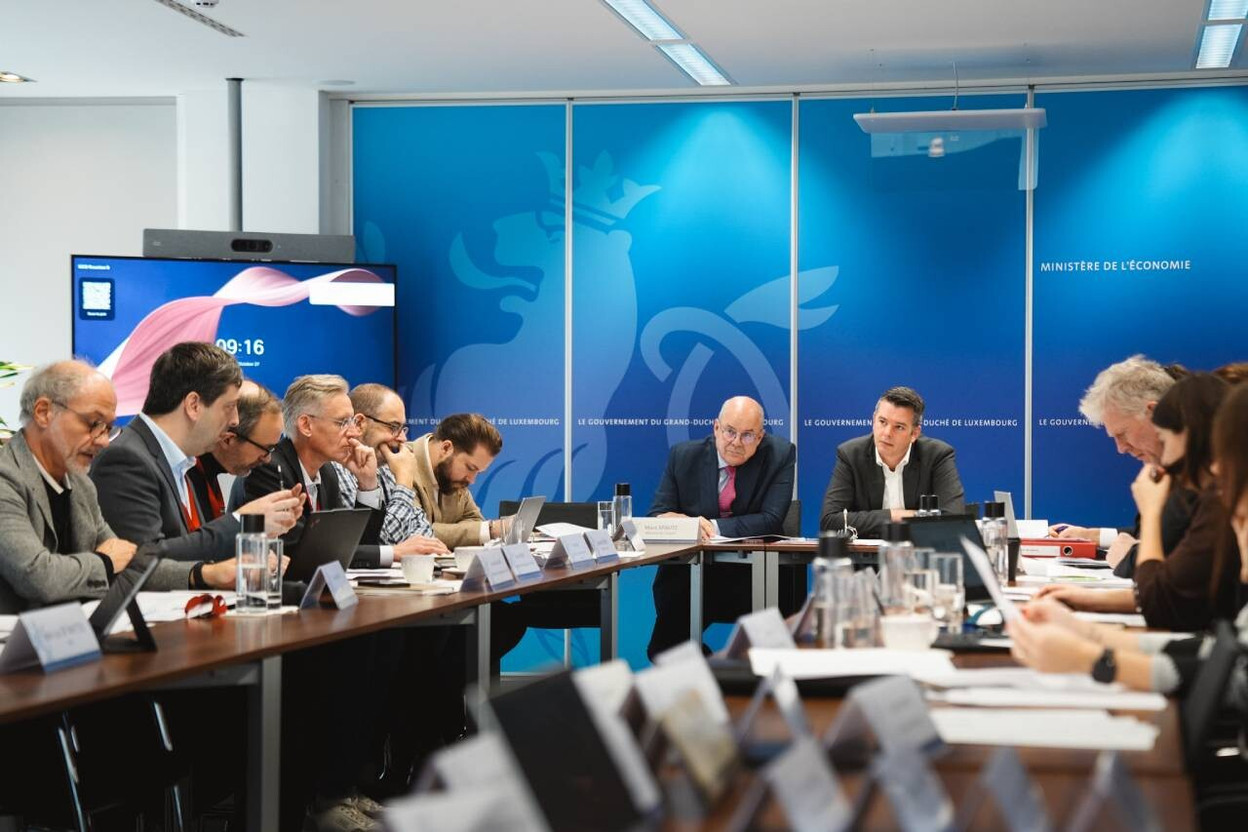
A total of 58 companies applied for short-time working for December, six more than in November. The Economic Situation Committee, which met on Tuesday 24 November, issued a favourable recommendation for 50 applications. The final decision rests with the Government Council. These applications could affect up to 3,586 full-time equivalent jobs, compared with 1,990 in November. This represents an increase of 80.2% in one month. The number of companies applying has risen by 11.5%.
Of the 50 applications accepted, 30 are linked to the economic climate. Eight relate to a structural problem associated with a job retention scheme. Six are justified on the grounds of force majeure, due in particular to insufficient water levels on the Rhine and other waterways. The remaining six are based on a relationship of economic dependence. However, these figures do not mean that 3,586 jobs will actually be affected by a reduction in activity. Companies first apply for authorisation to use the scheme, then report the hours actually not worked. The final figures are only available three months later.
Less use was actually made of short-time working in August
The consolidated figures for August therefore paint a less bleak picture. Of the 47 applications initially approved, 26 companies have actually made use of the scheme. Two applications are still under review and 24 claims have been settled.
Of the 2,563 beneficiaries announced, 715 employees were actually on furlough. This represents 27.9% of the number initially envisaged. There were 980 in July, a 27% fall month-on-month.
The actual number of jobs lost stands at 130 full-time equivalent positions, compared with 180 in July. Businesses reported 22,492 hours not worked, down 27.8% from the 31,171 hours recorded the previous month. The cost borne by the Employment Fund fell by the same proportion. It stood at €512,356 for August, compared with €729,340 for July, representing a fall of 29.8%.
The Economic Situation Committee also approved a job retention scheme. It issued a favourable opinion on the early retirement scheme for two employees and on four applications for tax exemption relating to redundancy or severance payments for 70 employees.
The sharp rise in forecasts for December is therefore a cause for caution. However, the scale of this rise will need to be weighed against actual take-up by businesses, which has been significantly lower than initial applications in recent months.