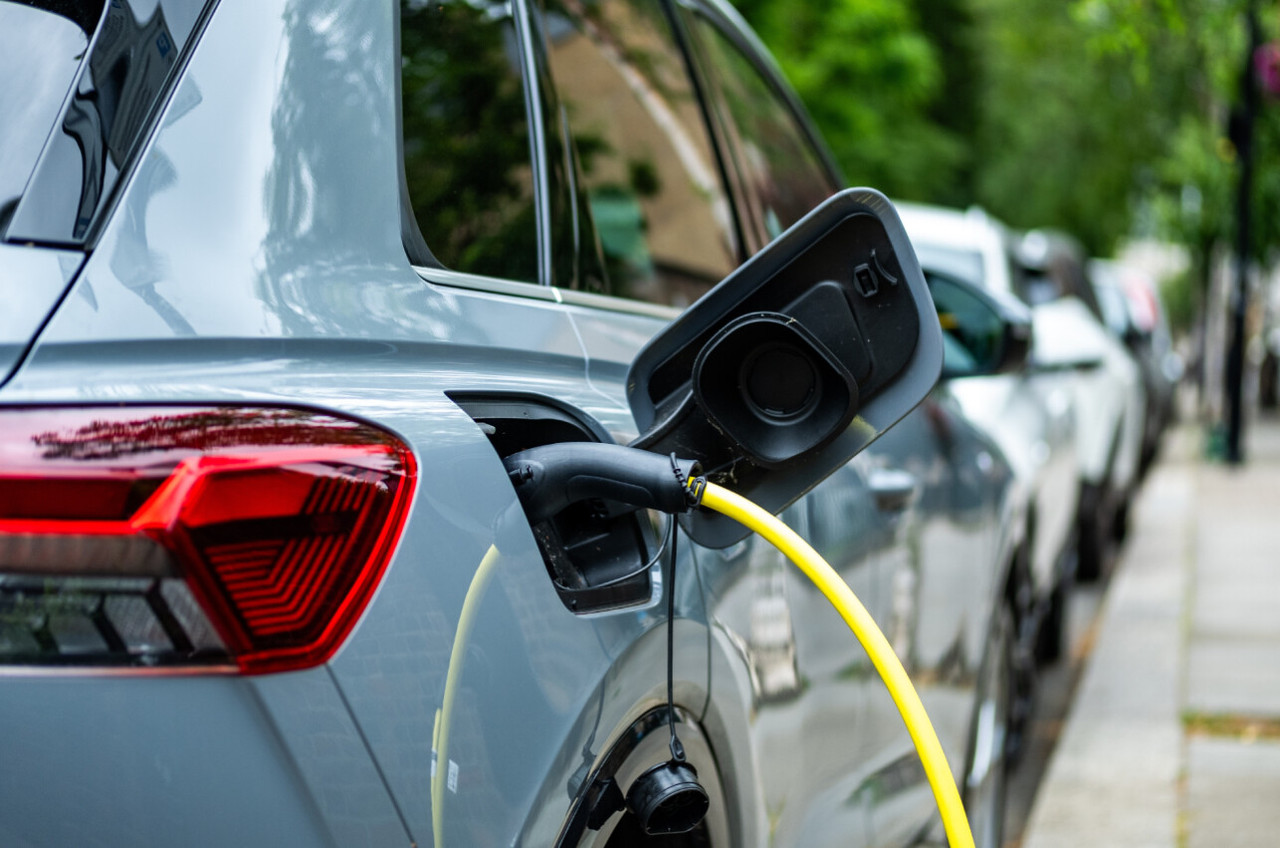
In the space of a year, electric vehicles have gained more than 16 percentage points of market share in Luxembourg. Never before has the gap with traditional engines been so clear: petrol and diesel cars combined accounted for just 25.1% of new registrations in October.
The country registered 1,799 fully electric cars during the month, compared with 922 in October 2025. This represents an increase of 95.1%, according to figures published on Tuesday 24 November by the European Automobile Manufacturers’ Association (Acea). At the same time, the overall Luxembourg market grew by 17.2% to 4,454 cars.
This stands in stark contrast to the European Union, where new car registrations rose by just 2.6% in October. Electric cars, however, saw an even sharper rise in volume, with 279,799 units registered – an increase of 61.4%. They accounted for 29.8% of the European market during the month, compared with 40.4% in Luxembourg.
A less spectacular increase over ten months
However, October saw Luxembourg’s lead grow. In the first ten months of 2026, 13,414 electric cars were registered in the country. Their market share stands at 32%, compared with 23.4% across the European Union as a whole.
Their numbers have risen by 30% in Luxembourg since January. Growth across Europe stands at 50%, driven in particular by France, where electric vehicle registrations rose by 79.4%, and by Germany, where they rose by 60.7%.
Across all engine types, the Luxembourg market grew by 4.1% over the ten-month period, reaching 41,939 cars according to the harmonised scope defined by Acea. The European average stands at 5.4%.
Plug-in hybrids are following a different trend. Registrations of these vehicles fell by 13.8% in Luxembourg in October and by 22.6% since the start of the year. Non-plug-in hybrids, by contrast, have risen by 12.1% over the past ten months.
In total, electric, plug-in hybrid and non-plug-in hybrid vehicles accounted for 70.3% of new car registrations in Luxembourg between January and October. Petrol and diesel vehicles fell below the 30% mark.
Support measures extended until 2030
This acceleration comes a few days after the launch of the new Klimabonus Mobilité scheme. Subsidies for the purchase of electric vehicles have been extended until 30 June 2030. The amount can be up to 6,000 euros for the most energy-efficient models and 3,000 euros for certain cars with higher energy consumption.
From 1 January 2027, car dealers taking part in the new scheme will be able to deduct the subsidy directly from the customer’s invoice. The 2027 draft budget allocates 69 million euros to support the purchase of electric cars. However, the continuation of these subsidies alone does not explain the increase seen in October.