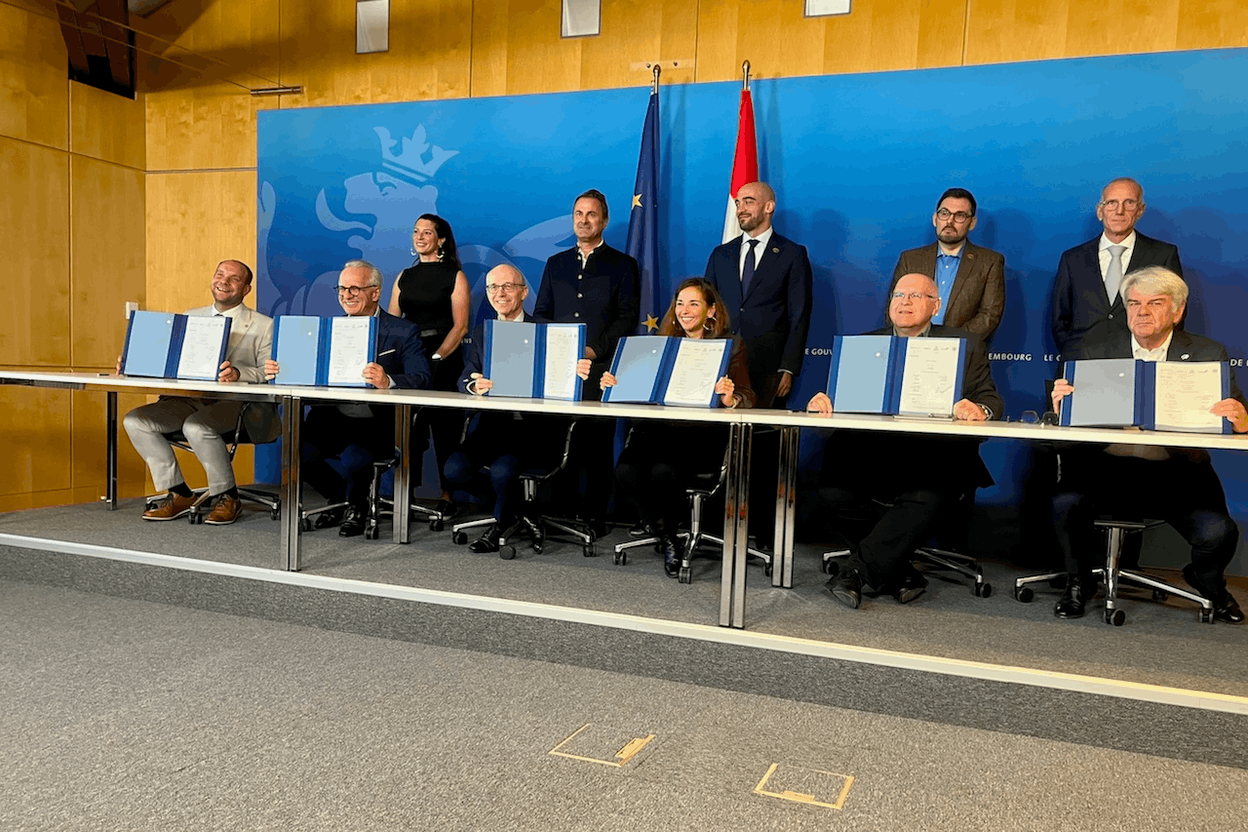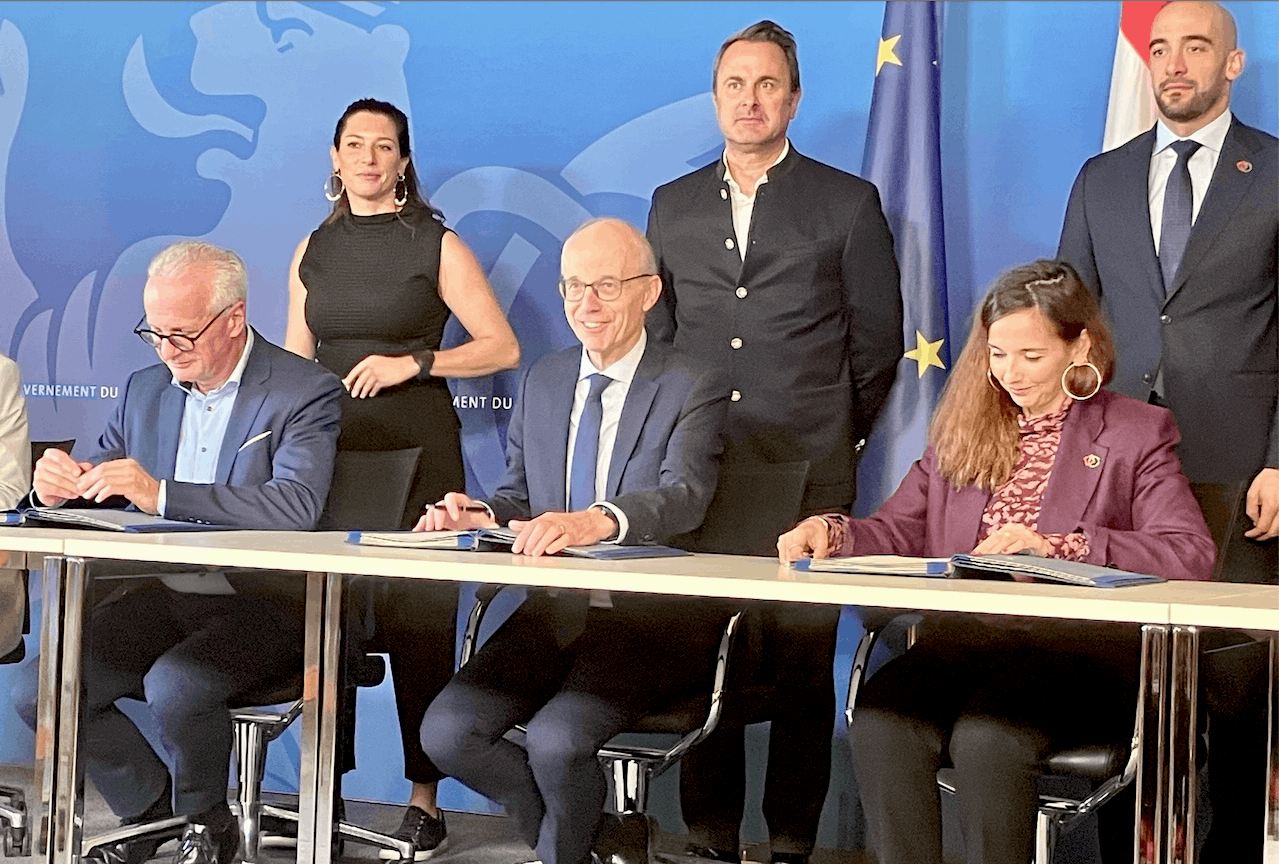
Just because an agreement has been signed by everyone does not mean that everyone interprets it in the same way. The amendment to the Resilienzpak agreed on 29 October extends the subsidies for electricity, gas and heating oil until the end of December 2027. The five-centime-per-litre discount on petrol and diesel, however, will end on 1 March. This difference in treatment highlights the differences of opinion amongst trade unions, whilst employers primarily emphasise the visibility this offers to businesses.
The OGBL accepts that the discount has come to an end
According to the OGBL President, 
In its press release issued shortly after the presentation of the agreement to the press, the trade union, alongside the Union of Trade Unions, also called for a further 12 months of subsidies for electricity, gas and heating oil, as opposed to the three months initially envisaged. It intends, however, to continue calling for specific measures for employees who rely on their cars.
The LCGB is taking a more cautious stance
The OGBL’s satisfaction regarding fuel prices is not shared by the LCGB. The national president, 
Maintaining competitiveness also means safeguarding jobs and the strength of our social model.

The CGFP also accepted the amendment, despite having argued prior to the meeting in favour of a three-month extension without any changes to the arrangements. On the morning of 29 October, the confederation’s national president, 
Employers value predictability
For its part, the UEL welcomes the overall balance of the agreement. Against a backdrop of continuing economic difficulties, it regards the support measures as essential for curbing inflation, sustaining purchasing power and keeping business costs in check.
“Safeguarding competitiveness also means safeguarding jobs and the strength of our social model,” emphasises its president, 
Social dialogue remains a complex issue
Whilst everyone was all smiles when the agreement – reached, all things considered, quite quickly – was presented, the conclusion of this compromise does not, however, signal the end of tensions. “It’s always complicated; it remains complicated,” replies Nora Back when asked about the state of social dialogue. The OGBL president emphasises the shared desire to preserve stability and social cohesion in the face of the tensions observed in neighbouring countries. But she dismisses any overly consensual interpretation of the meeting: “On the substance, there are obviously still major differences, and the discussions were quite intense today.”
The next meeting of the Monitoring Committee is scheduled to take place no later than February 2027, or earlier in the event of a significant deterioration in the economic or social situation.