Céline Coubray: What is your job at the fair?
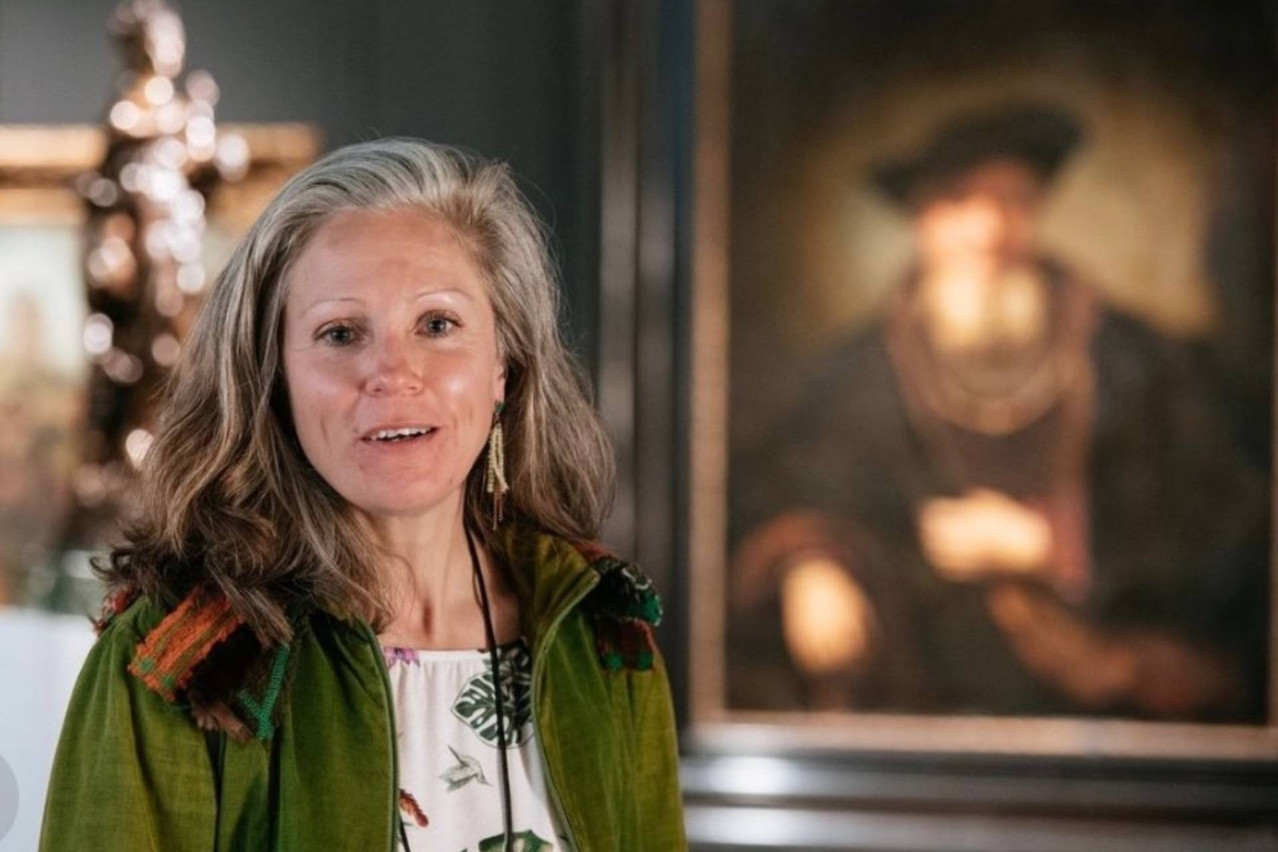
Patricia De Zwaef: There are three of us who work at the fair, vetting the objects offered for sale by the antique dealers and gallery owners. Each of us has complementary specialities. Our role is to check the merchandise before it is opened to the public, particularly its authenticity. To do this, we ask exhibitors to provide us with all available documents of authenticity and provenance. We examine all the items for sale in detail, which takes some time. We also check the accuracy of the information on the labels, to ensure that visitors are not misled about what is on display.
What happens if you notice an irregularity?
We report it to the dealer and ask for further information. If our expert opinion confirms our doubts, we ask him to withdraw the item from the fair. If there are any difficulties in enforcing this withdrawal, we can alert the show management and the Customs & Excise department, who will take the necessary measures.
Is it common practice for a fair such as Antiques & Art Fair to carry out such checks?
No, not for fairs of this size. It’s common practice at major fairs like Tefaf Maastricht or Brafa in Brussels, where dozens of experts inspect the merchandise before the doors open. But for a fair of this scale, it demonstrates a strong commitment on the part of Luxexpo to presenting a high-quality, professional event that visitors can visit and buy from with complete confidence. I would also like to point out that due diligence is carried out before registrations are validated. We can also be called in at this point to talk to the selection committee and help them check the vendor himself.
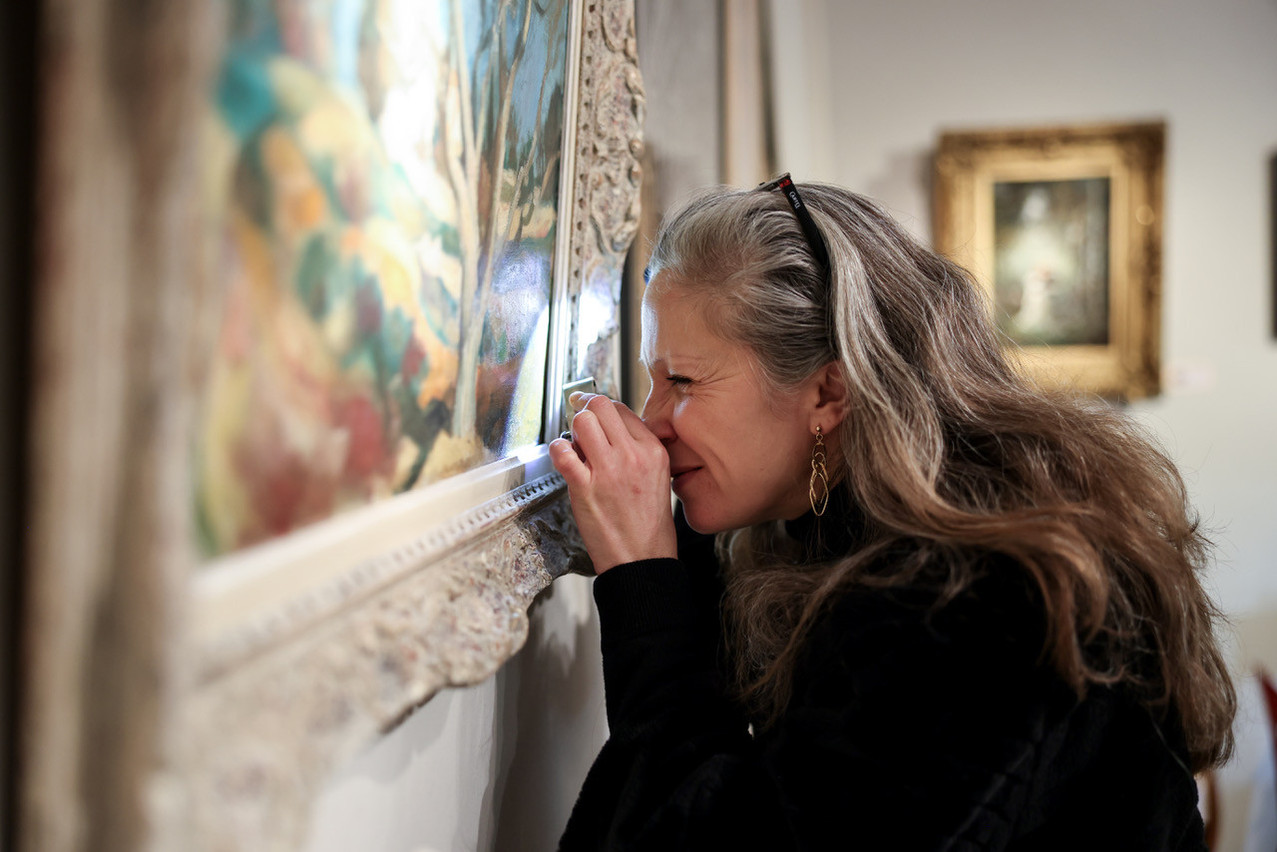
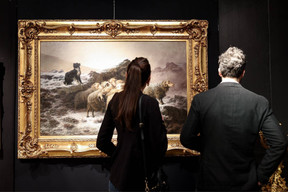
A close look is essential to verify the authenticity of the works offered for sale. Photo: Luxexpo The Box
What is the profile of the exhibitors?
There’s a good mix of nationalities, with around 30% German dealers, 30% French and around 15% Belgian. Some come from very far away, from the south of France or Brittany, for example. The dealers are generally loyal to the fair and have been coming back for several years. It’s also interesting to note the presence of new exhibitors, from the younger generation of antique dealers, who take part in the event.
Where does the public come from?
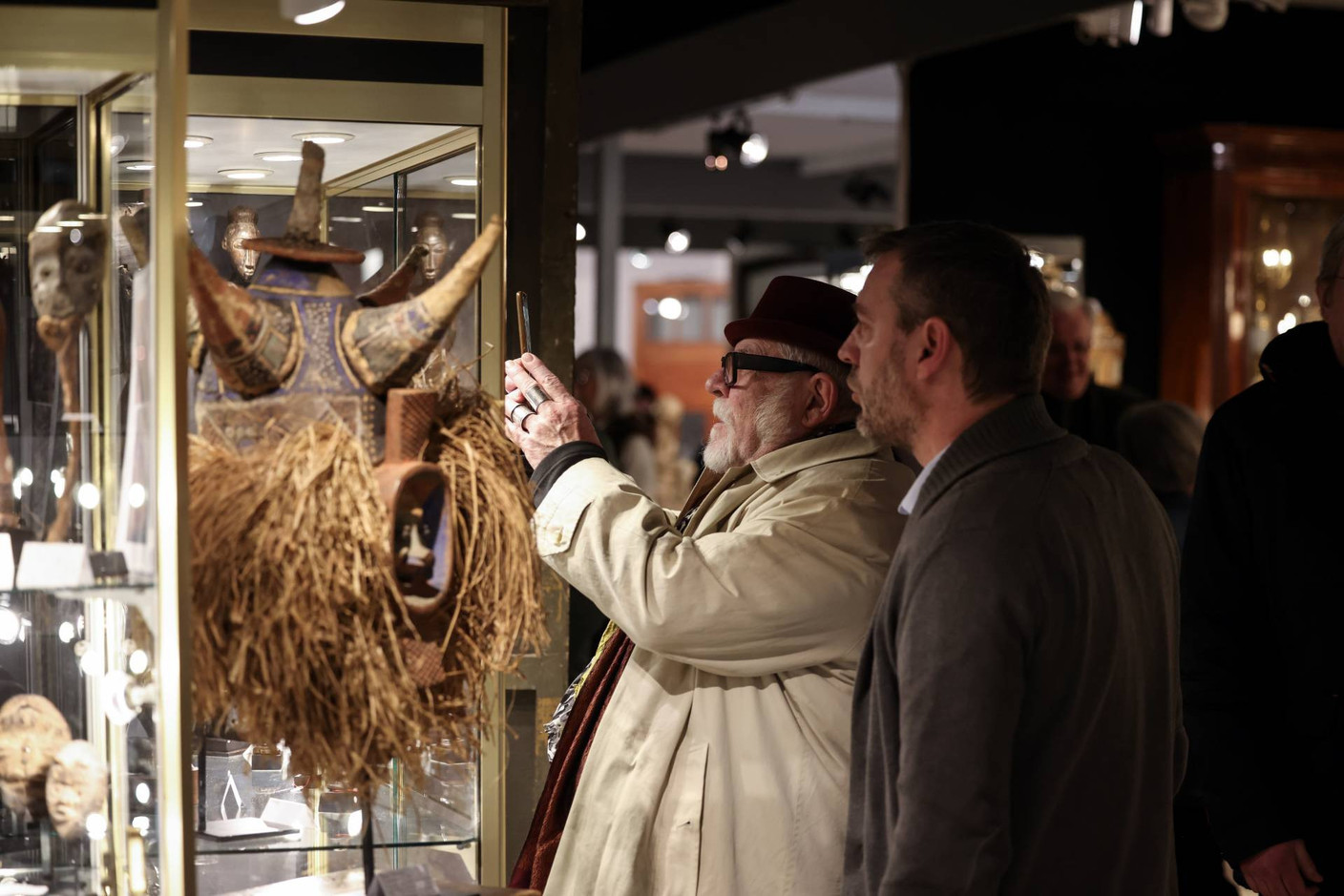
In reality, there are very few fairs left like Antiques & Art Fair. It’s one of the last medium-sized fairs still operating in the region, dedicated to antiques. As a result, it attracts visitors from neighbouring countries too. Some enthusiasts and collectors take the opportunity to visit both the Luxembourg fair and Brafa, which is taking place at the same time this year. However, the level of products on display is not at all comparable between the two events.
What’s also very positive is that young professionals, particularly millennials, are also taking part in this fair. It’s not just older visitors. There are also people who are new to the show, who are buying their first piece. This opens up educational opportunities around the objects on display, and that’s particularly exciting. Antique dealers generally enjoy passing on their knowledge and sharing the stories behind their objects.
What are buyers looking for and what are the sales trends?
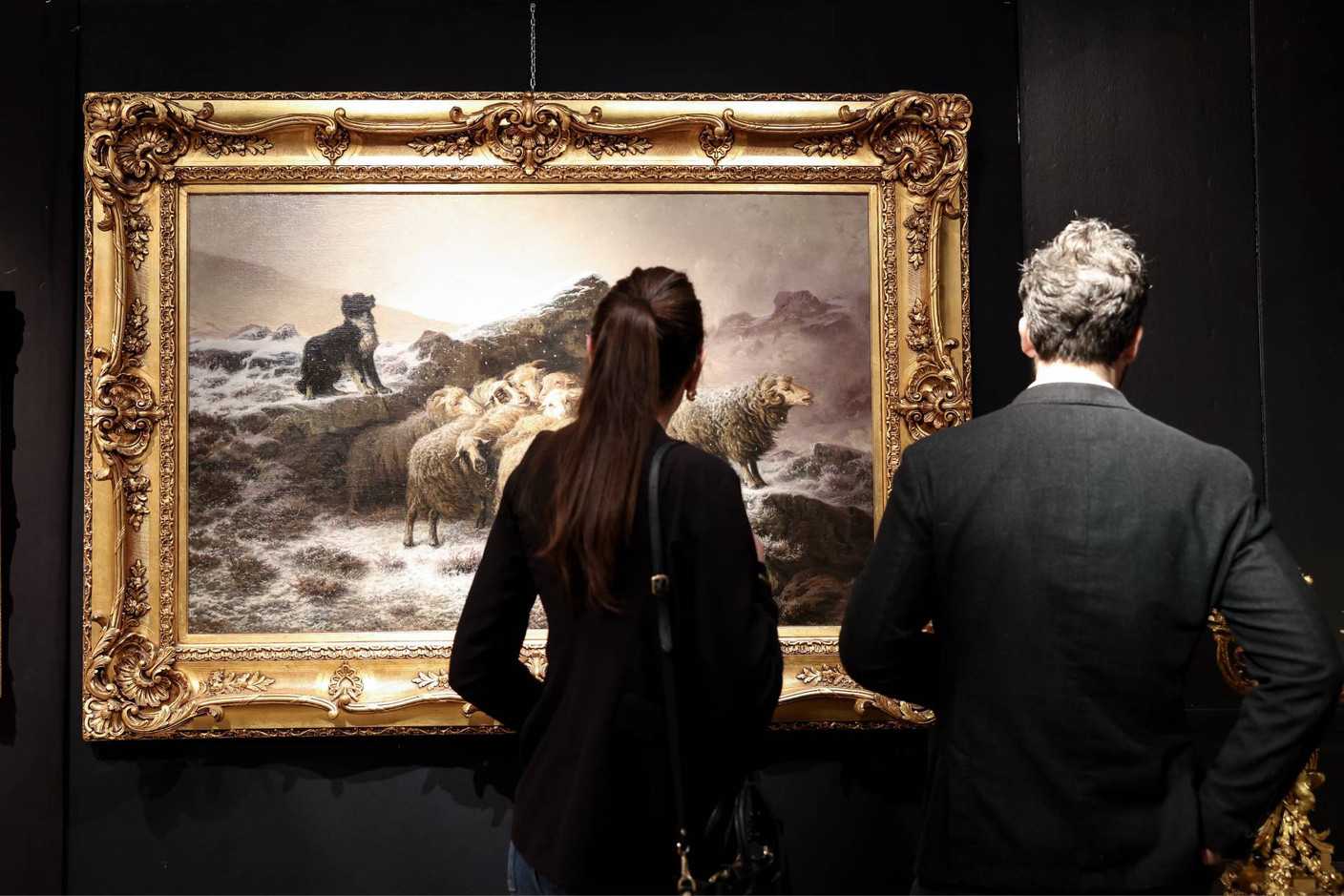
One trend I’ve noticed in recent years is the cohabitation of modern and contemporary art with antiques. People no longer buy large oak sideboards, but a beautiful little chest of drawers with marquetry will certainly find a buyer. These are generally good quality pieces.
Is buying antiques also seen as a form of investment, as it is in the contemporary art market?
It’s certainly not misplaced money, but most of the time these purchases are not made with a view to investment. People who buy antiques do so primarily to live with them. It’s therefore more of a purchase that reflects an art of living.
What role does the internet play in this market?
There is indeed an online market. Among the platforms is the Proantic site, which brings together more than 2,000 antique dealers and records almost 30,000 visits a day. This is undeniably a sales channel that enables antique dealers to reduce their costs, by offering an online shop window while using a storage shed, thus avoiding the costs associated with a physical shop. However, on this type of platform, and perhaps even more so, it is essential to remain vigilant about the provenance and authenticity of the works. Don’t hesitate to get in touch with the seller to ask for documents proving the authenticity and provenance of the object.
The Antiques & Art Fair 2025 is taking place from Wednesday 29 January to Sunday 2 February, at Luxexpo The Box.
This article was originally published in French.