(To our readers: the Paperjam editorial team spent Thursday and Friday in Dudelange, meeting the political, social and economic players in this municipality of 22,000 inhabitants. This article is part of that “concentrated” approach. We hope you enjoy reading these articles.)
Could you explain the artistic direction you are developing for the two local galleries, Nei Liicht and Dominique Lang?
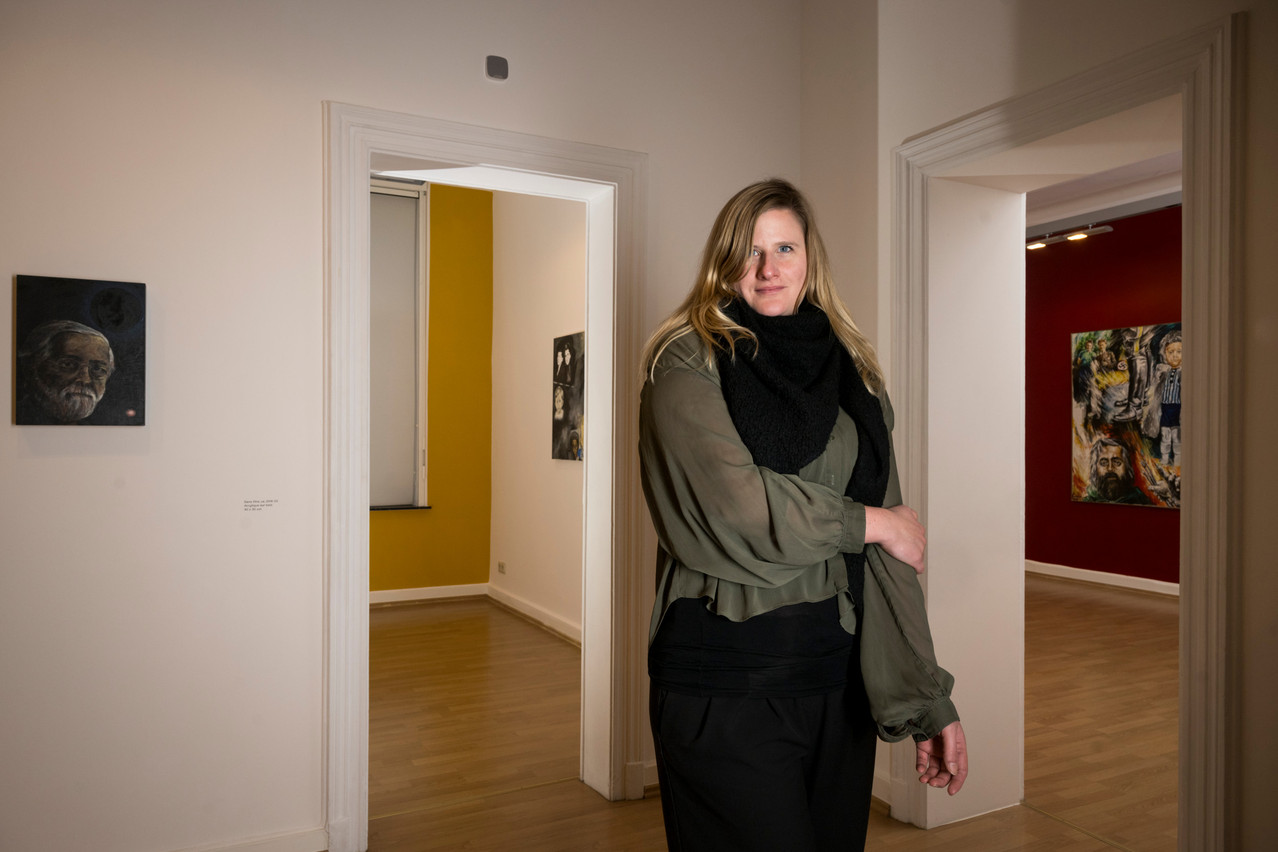
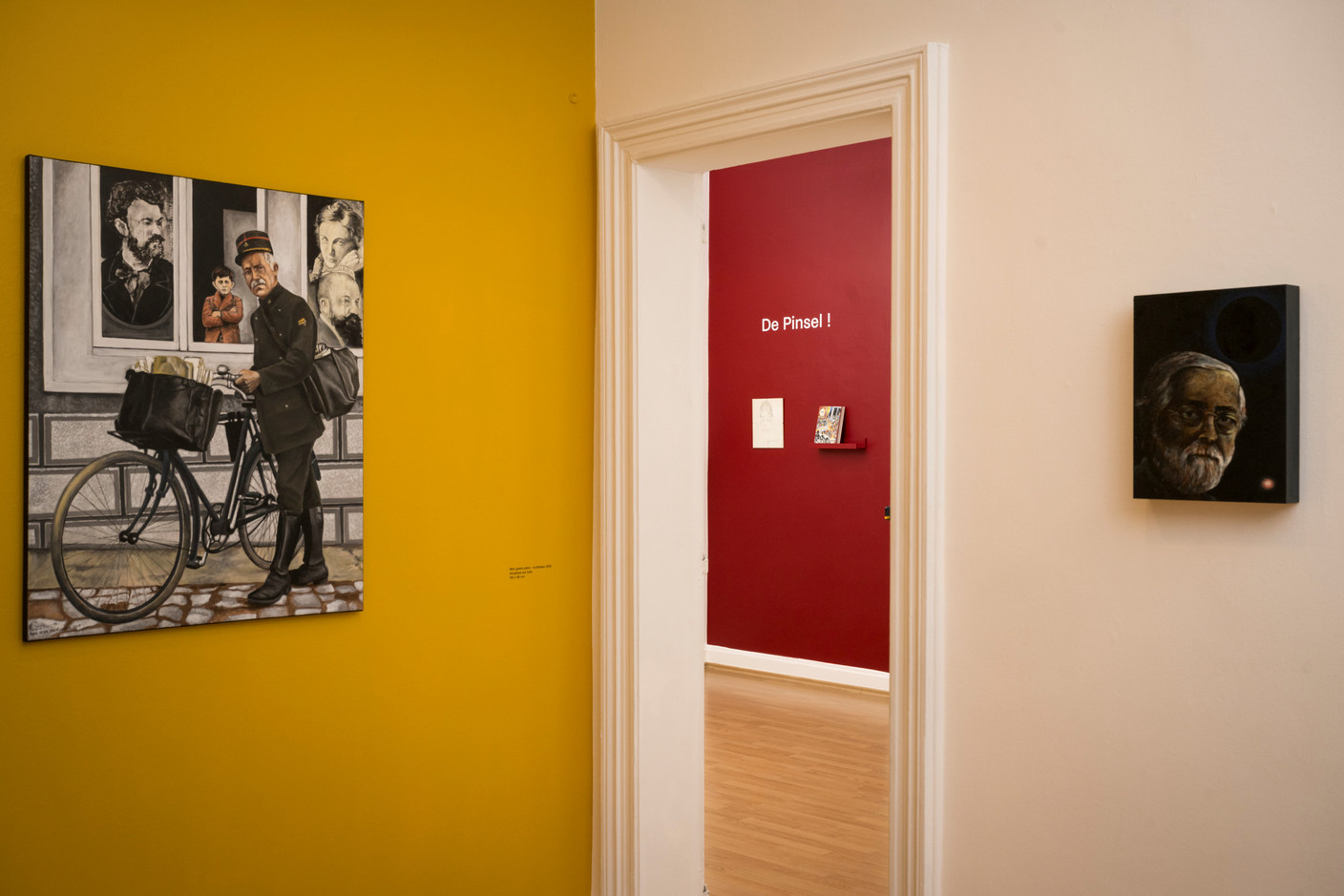
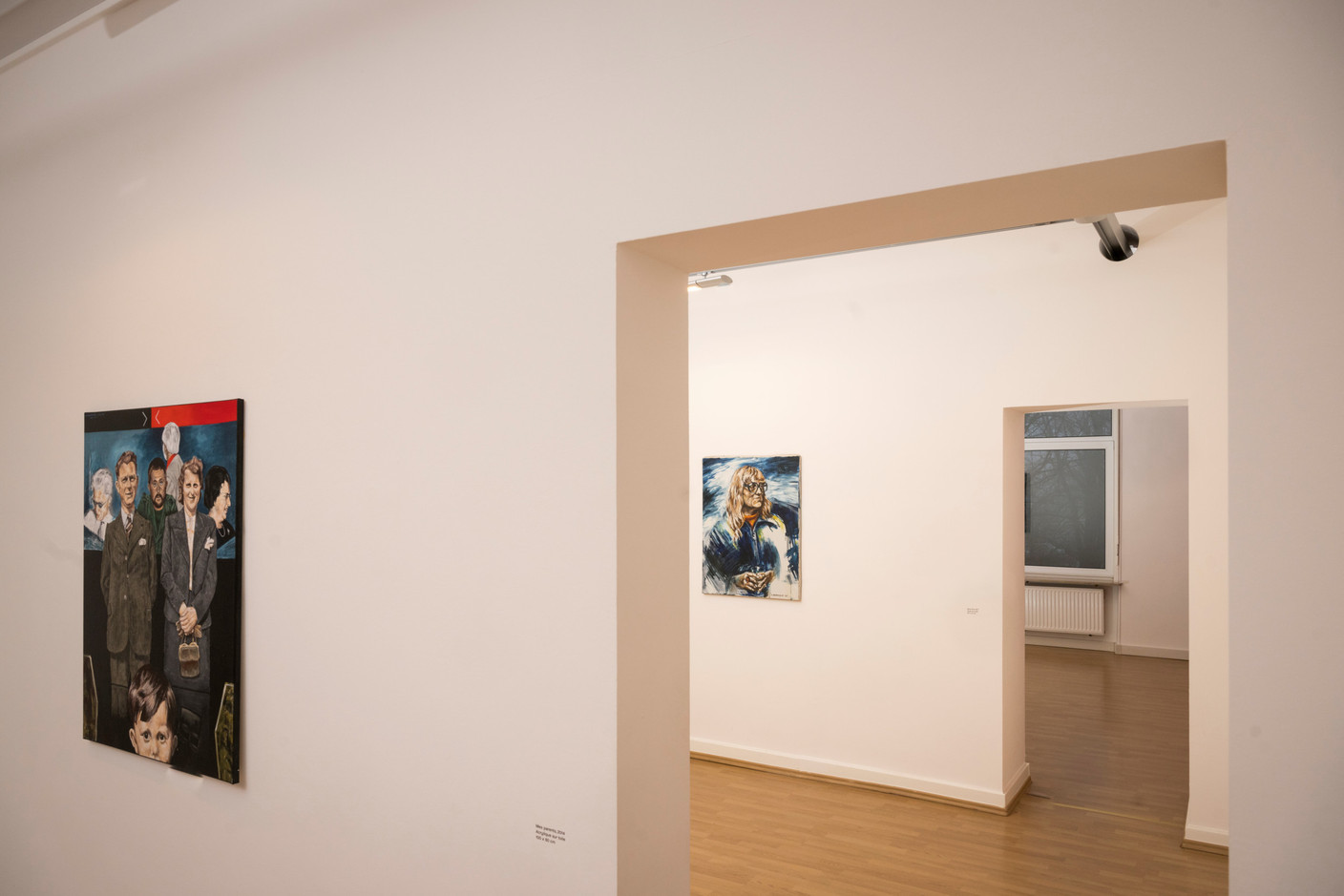
“As the spaces are relatively small, I’m sticking to this line of monographic exhibitions. Nei Liicht is an intimate space because it’s an old family house, with modest-sized rooms that communicate with each other. Galerie Dominique Lang has a completely different feel, as we are in the former waiting room of a railway station. The downstairs room has high ceilings and a fairly generous volume, but the upstairs has much lower ceilings and lots of nooks and crannies, so it’s harder to get to grips with the exhibition, but it’s a space that also offers scope for experimentation.”
“In the end, these two buildings offer complementary spaces. I like to show artists who move me, who have a story to tell, who defend an idea. It could be an emerging artist or a more established one. In general, we try to ensure that the exhibition at Dudelange acts as a springboard for the artist, enabling them to show their work in a context that could later take them to a larger art centre or museum. I also pay attention to Dudelange artists, as has been the case in recent years with exhibitions of work by Jean-Pierre Adam, Dominique Lang and currently Marc Henri Reckinger. And I’m currently working on organising an exhibition of the work of Armand Strainchamps.”
These spaces are also unique in that they are halfway between an art centre and a commercial gallery. Can you explain?
“Yes, we are an art centre in the sense that we programme exhibitions, organise set-ups, accompany the artist through the process, write presentation texts for the public and sometimes publish a catalogue, but the artists also have the opportunity to sell the works exhibited. However, it should be noted that we do not operate like a traditional art gallery, since the city of Dudelange does not take a percentage of the sales made, as is the practice in the art market. What’s more, the city of Dudelange offers an honorarium to the artist who exhibits and systematically buys a work for its collection, the works of which are exhibited in the offices of the municipality.”
You are also responsible for dance, literature and theatre at the Opderschmelz cultural centre. What is your approach to these disciplines?
“As far as theatre is concerned, I try to give pride of place to women’s and feminist theatre. Performances can be in Luxembourgish, French, German and sometimes English. We also have a few productions for young audiences. We only do co-productions and work in a network with the other arts centres in the country.”
“As far as dance is concerned, we tend to host experimental works, sometimes more marginal productions that you don't find in larger venues.”
“For literature, we organise classical readings, but also events called ‘Be offline,’ where a Luxembourg author and a foreign author take turns to read to the audience and share a moment where they talk more about themselves and their work. It’s a meeting that's also accompanied by a DJ set, making for a festive and convivial occasion. Every year we also have a major event, the Kanner- a Jugendbicherdag, which will take place on 25 January.”
Why is culture so important in Dudelange?
“Historically, Dudelange’s identity is linked to the steel industry. When this industry was dismantled, the town chose to redevelop around culture and sport. It has given itself the means to do so, with around 10% of the annual municipal budget devoted to culture. This substantial commitment means that the people of Dudelange can access shows at very modest prices, with even free access to the Opderschmelz cultural centre for Kulturpass beneficiaries. Music also plays an important role, with the Fête de la musique always a highlight, the Usina festival, and the Like a Jazz machine and Zeltik festivals at the cultural centre.”
You are also president of the Centre National de la Culture Industrielle (CNCI). Could you tell us about this organisation and its work?
“It’s a project that has been around since 2004, written by a team around Antoinette Lorang, with the aim of creating a museum of industrial culture. When we took over this initiative in 2019, we revised the project--because a new museum doesn’t make sense--and reoriented it to position it more on the constitution of a network of actors working on the preservation and enhancement of this industrial culture. This network brings together 17 players of varying sizes, from the Musée des Mines, for example, to the Fonds Belval and small voluntary associations such as the Amicale des hauts fourneaux. We work hand in hand to organise events and activities. This network brings together players in the south of the country, but also in the rest of the country and beyond, mainly in France and Belgium at the moment.”
“We are also bringing this issue to the attention of public authorities such as the ministry of culture and local authorities. We are also working on the built heritage of brownfield sites that deserve to be preserved. We draw up proposals for redevelopment and identify buildings that deserve to be preserved, etc. This work is generally carried out in collaboration with INAP. We are currently working on the Blowers’ Hall at Belval, the wasteland at Dommeldange and the Metzeschmelz.”
“Another aspect of our work is the preservation of archives. We have to deal with a very diverse range of material, because it’s not just paper documents, for example, but a wide variety of objects. So we need to find an archiving method that will ensure the longevity of this material, which is often still kept within families and therefore subject to disappearance depending on the interests and sensitivities of the various people who own them. The last aspect that the CNCI is developing is teaching and raising awareness of this industrial culture, through workshops, a summer school, etc. For this, we receive subsidies from the culture ministry, as this approach is part of the Kulturentwécklungsplang 2018-2028 and was included in the coalition agreement of the previous government. So we have political support.”
This article was originally published in French.