(To our readers: Paperjam’s editorial team spent Thursday and Friday in Dudelange, meeting the political, social and economic players in this municipality of 22,000 inhabitants. This article is part of that “concentrated” approach. We hope you enjoy reading these articles.)
As a country of immigration and emigration, Luxembourg has a wealth of expertise in this area. This expertise is reflected in the creation, on 1 January 2025, of the ‘History and Migration' Chair at the University of Luxembourg. The university has partnered with the city of Dudelange, which expects this chair to help strengthen its identity as the “Ideal City of Migration.”
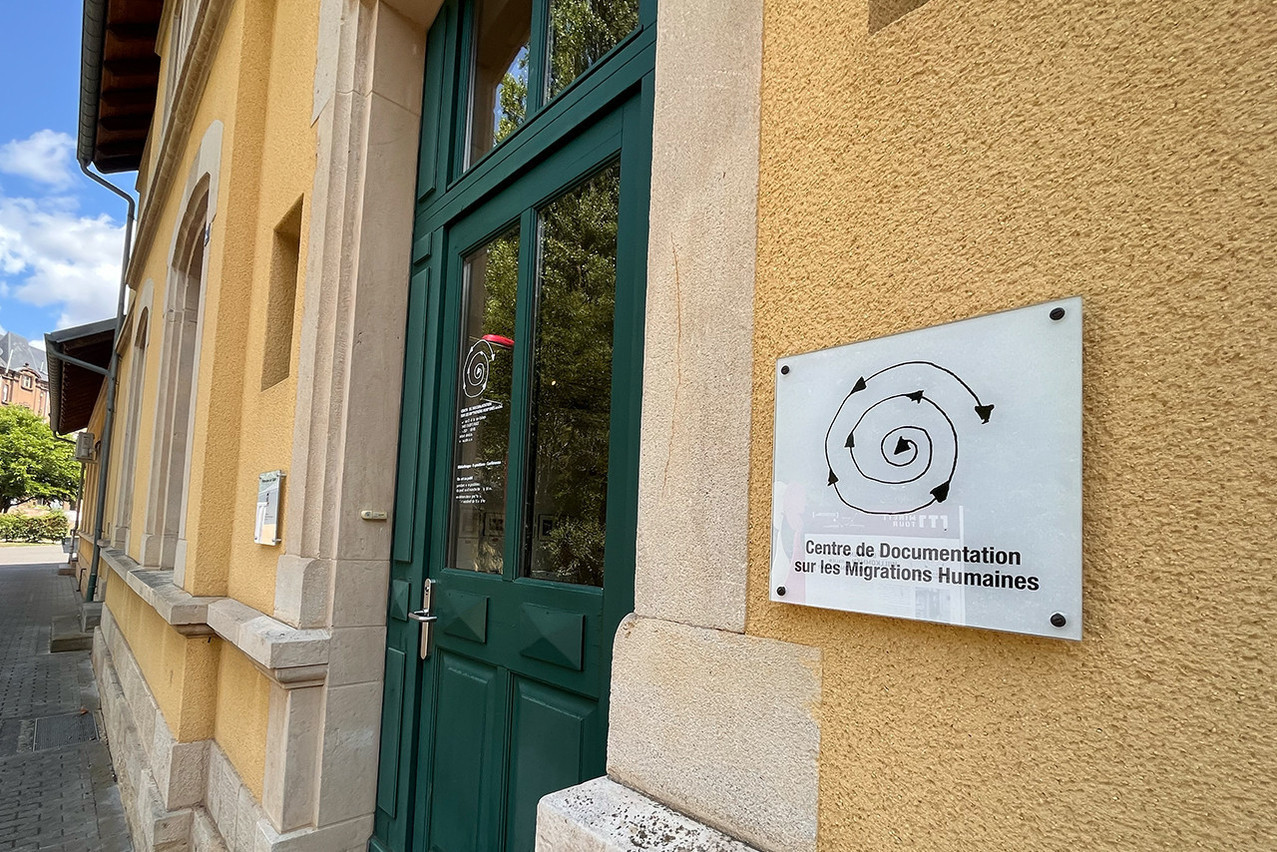
The chair is attached to the Luxembourg Centre for Contemporary and Digital History (C2DH), an interdisciplinary centre at the University of Luxembourg. Part of its research and teaching activities take place in Dudelange, on the premises of the Centre de documentation sur les migrations humaines (CDMH). This not-for-profit association was set up in 1993 on the initiative of civil society, in response to “xenophobic currents” in the Luxembourg public sphere.
Professor Denis Scuto is the first holder of the chair for the period 2025-2029. And after 2029? “The replacement is not automatic, but will be requested as part of the next four-year plan to be negotiated with the government (2026-2030),” specifies Scuto. The research team also includes two post-doctoral researchers, a doctoral student and a student assistant.
Dudelange invests €1m
Dedicated to the study of migration, the chair examines it in all its forms, exploring population flows and the transformations they bring about. Its objectives are to analyse global mobility and crises in order to anticipate future challenges, to develop research and teaching on migration, to improve the skills of job applicants at the CDMH and to raise awareness of the importance of migration in Luxembourg and Europe.
Research areas include the dynamics of migration as a system, linking areas of origin, transit and destination, as well as interactions between native and non-native populations. Migration in Luxembourg, the Greater Region and Dudelange in particular will also be studied. The chair aims to compare past and present migration in Luxembourg, France, Belgium and Germany. It plans publications, exhibitions, seminars and international collaboration on the history and challenges of migration.
The chair is funded by the city of Dudelange and the University of Luxembourg. The city will make a financial contribution of €200,000 per year, giving a total of €1m over the initial period of the agreement (2025-2029). It hopes that the chair will promote its migratory past and make Dudelange a key location for understanding migration in Luxembourg.
This article was originally published in French.