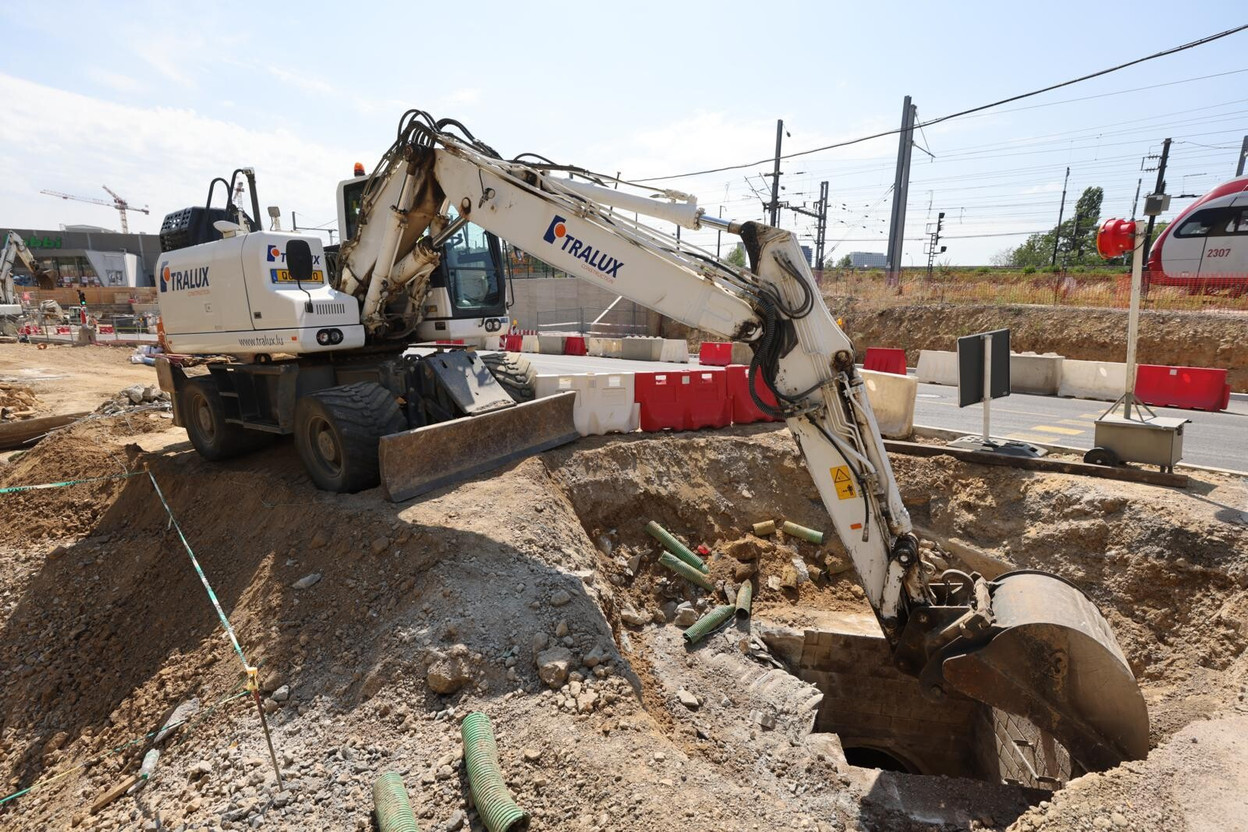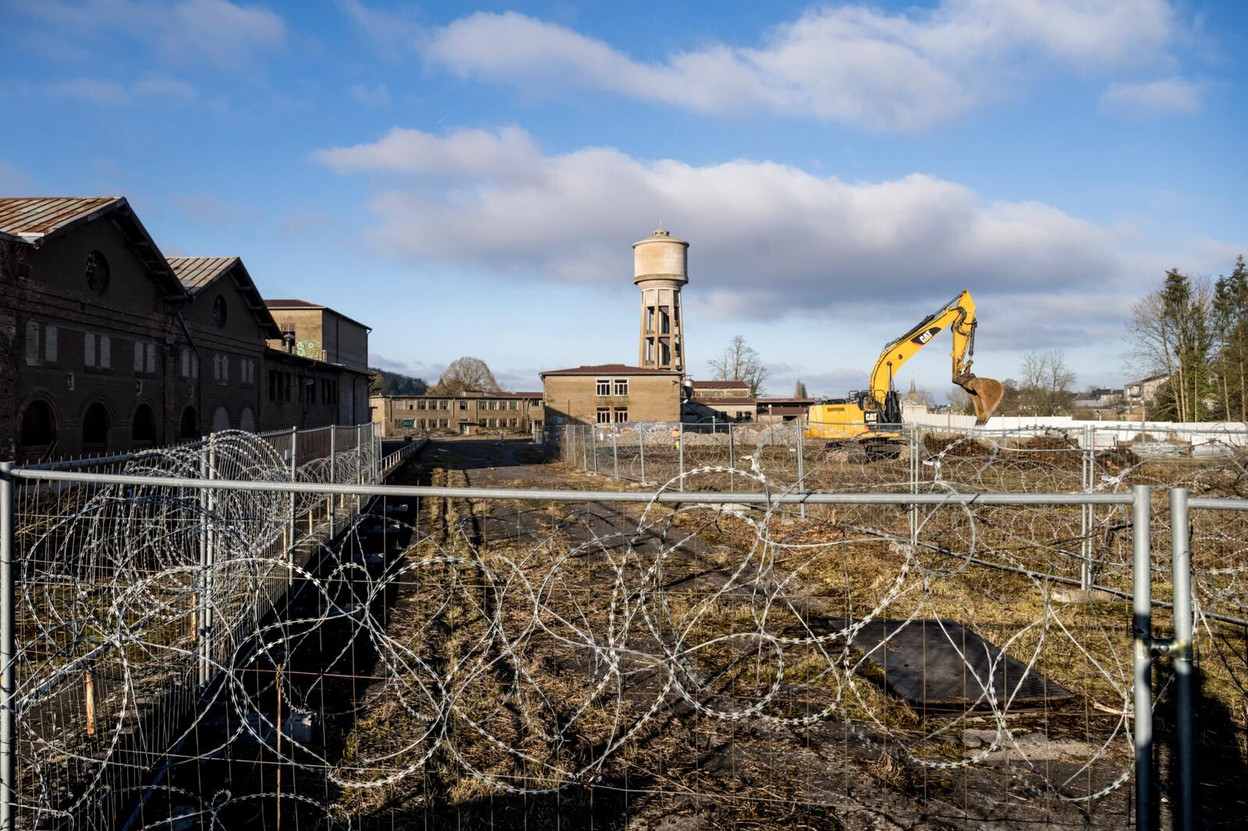
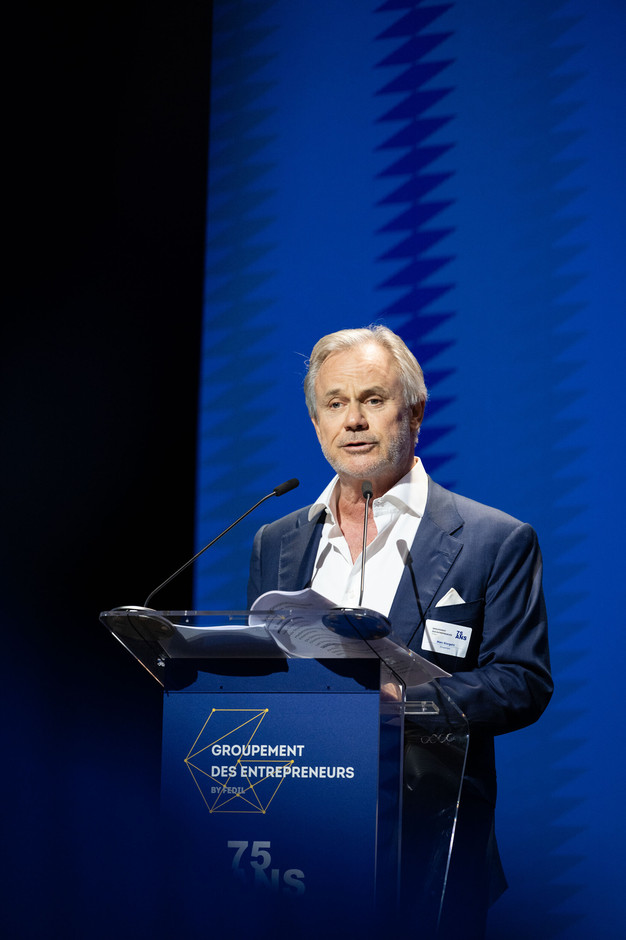
“Develop and build on your land!” This is the call made to the public authorities by 


Founded in 1951, in the aftermath of the war, the association’s first president was Émile Nennig. Marc Giorgetti highlighted the role that construction companies have played in the country’s development ever since. However, his anniversary speech focused primarily on the sector’s current difficulties. “The housing crisis is far from over,” he warned.
Building more, including on public land
According to the chairman of the association, demand for housing remains high, whilst supply is growing too slowly. In his view, the price correction seen between 2022 and 2024 has not resolved this imbalance. A recovery in transactions could even be accompanied by a further rise in prices if more housing is not built. “The market may well become ‘active’ again without necessarily becoming affordable,” he summarised.
Marc Giorgetti is therefore calling on the state and local authorities to develop the land they own and then to build affordable rental housing on it. He believes that many of these plots are already located in areas designated for housing and employment. He also calls for town planning schemes to take better account of changes in household structures: in his view, certain regulations lead developers to build homes that are larger than those actually in demand.
There is also an economic stake for construction companies. According to the group’s chairman, the property sector accounts for 30% of the sector’s business, as well as around a third of its workforce and resources.




Reviving off-plan sales and financing construction projects
Marc Giorgetti is also calling for a recovery sales of properties off-plan (Vefa), where pre-sales are crucial to the financing of many private projects. The figures published by Statec and the Housing Observatory on 24 September, the day after his speech, illustrate the difficulties facing this sector: 225 flats under construction were sold in the second quarter of 2026, compared with an average of nearly 694 in the second quarters of 2017 to 2021. Sales of existing flats, meanwhile, have returned to a level close to their pre-crisis average.
The group’s chairman welcomed the measures presented by the government in July. These include, in particular, an announced exemption from registration fees on the construction component of certain off-plan property purchases, an increase in the “Bëllegen Akt” tax credit to €45,000 per person, and a new accelerated depreciation scheme for rental investments, subject to certain conditions.
In its housing package presented in July, the government announced an additional €300m for public sector off-plan property purchases. It also provides for the option to purchase a proportion of the homes in a development as soon as it goes on sale, in order to help it reach the presale threshold required by the banks. In his speech, Marc Giorgetti also called for the return of private investors and for increased support from the financial sector.
Authorisations, employees and training
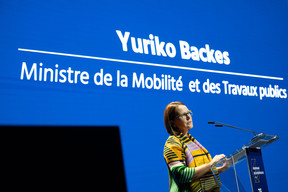
The chairman of the association is also calling for simpler and faster authorisation procedures. In particular, he would like to see the “no objection means consent” principle, which is envisaged in certain procedures, put into practice. Funding is also among the obstacles identified by the Minister for Housing: in an interview with Paperjam, the minister for Housing and Spatial Planning, 
Marc Giorgetti also emphasised staffing needs. He estimates that the construction sector will need to recruit more than 10,000 people over the coming years to offset retirements. In this context, he criticised the tax treatment of accommodation provided to employees at a preferential rate, which is treated as a benefit in kind. A housing allowance paid as part of a salary, on the other hand, is subject to social security contributions, he pointed out.
On the subject of working conditions, he defends the sector’s collective agreement, which he describes as a key factor in maintaining industrial peace, whilst calling for greater flexibility to adapt site working hours to weather conditions and clients’ deadlines.
Finally, the anniversary provided an opportunity to highlight the importance of training. Established and funded by the sector in 2002, the Construction Sector Training Institute (IFSB) has recorded more than 100,000 training participants, according to figures presented by Marc Giorgetti. In conclusion, the group’s president looked ahead to its centenary in 2051. He hopes that those present will then say to one another: “In 2026, they were heading in the right direction.”