Both past and present bear clear witness to this: memory sometimes needs a helping hand (or even a kick…). Memories fade, documents are scattered or lost, and with them goes part of what enables us to recount and visualise an era. Archiving means preserving records so that we can return to the facts, understand a journey, and rediscover the reasons behind a decision. It is, therefore, a duty. In Belval, this mission now has a new home.
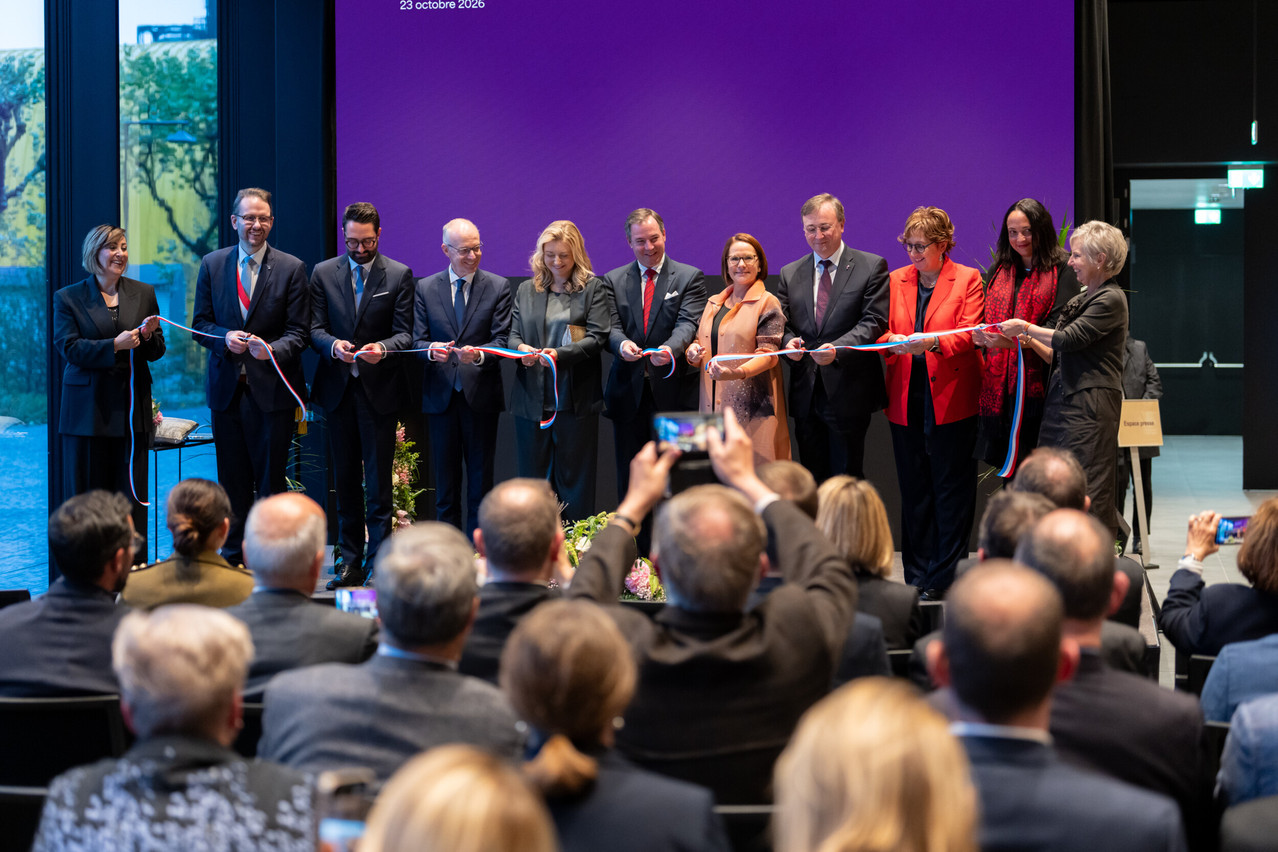
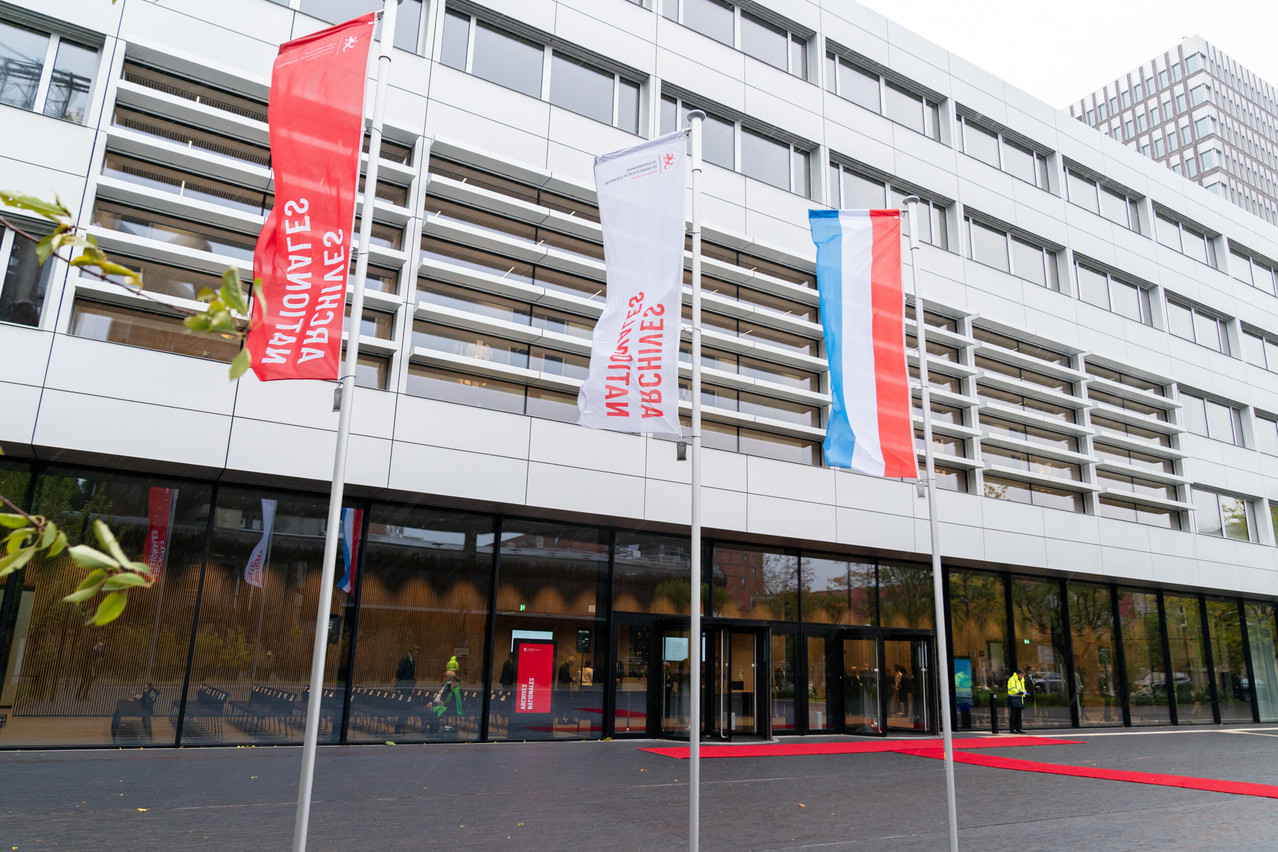
(from left to right) Daniela Di Santo (director of the Belval Fund), Christian Weis (mayor of Esch-sur-Alzette), Éric Thill (minister for culture), Luc Frieden (prime minister), HRH the Grand Duchess and HRH the Grand Duke, Yuriko Backes (minister for mobility and public works), André Bauler (vice-president of parliament), Simone Asselborn-Bintz (mayor of Sanem), Sylvie Siebenborn (chair of the board of directors of the Belval Fund) and Josée Kirps (director of the National Archives of Luxembourg). A distinguished gathering for a project aimed at preserving the country’s documentary heritage. (Photo: Emmanuel Claude)
Inaugurated on Friday 23 October in the presence of 


Save it now to understand it later
For nearly six decades, the National Archives were housed in the former volunteer barracks on the Plateau du Saint-Esprit in Luxembourg City. As the collections grew, the archives had eventually become spread across five sites. Now, in Belval, 56 storage areas and nearly 108.5 kilometres of shelving make it possible to bring these documents together and accommodate the material expected over the next 25 years.
These figures also highlight a responsibility: to select, classify, catalogue and protect the sources that future generations will be able to consult. Whether public or private archives of national interest, they form the building blocks of a history that everyone should be able to explore.
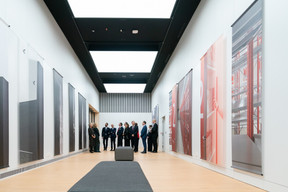
“The documents held in this building tell the story of our shared history. They enable us not only to trace our origins, but also to interpret our present,” emphasised Éric Thill. The minister for culture also highlighted the democratic role of such preservation, in the face of a clear tendency towards misinformation and the distortion of facts. As the saying goes: to remember accurately, it is best to be able to find the evidence.
An architecture that takes great care with documents
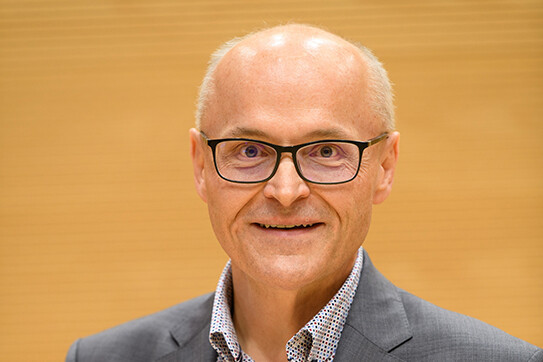
Designed by 
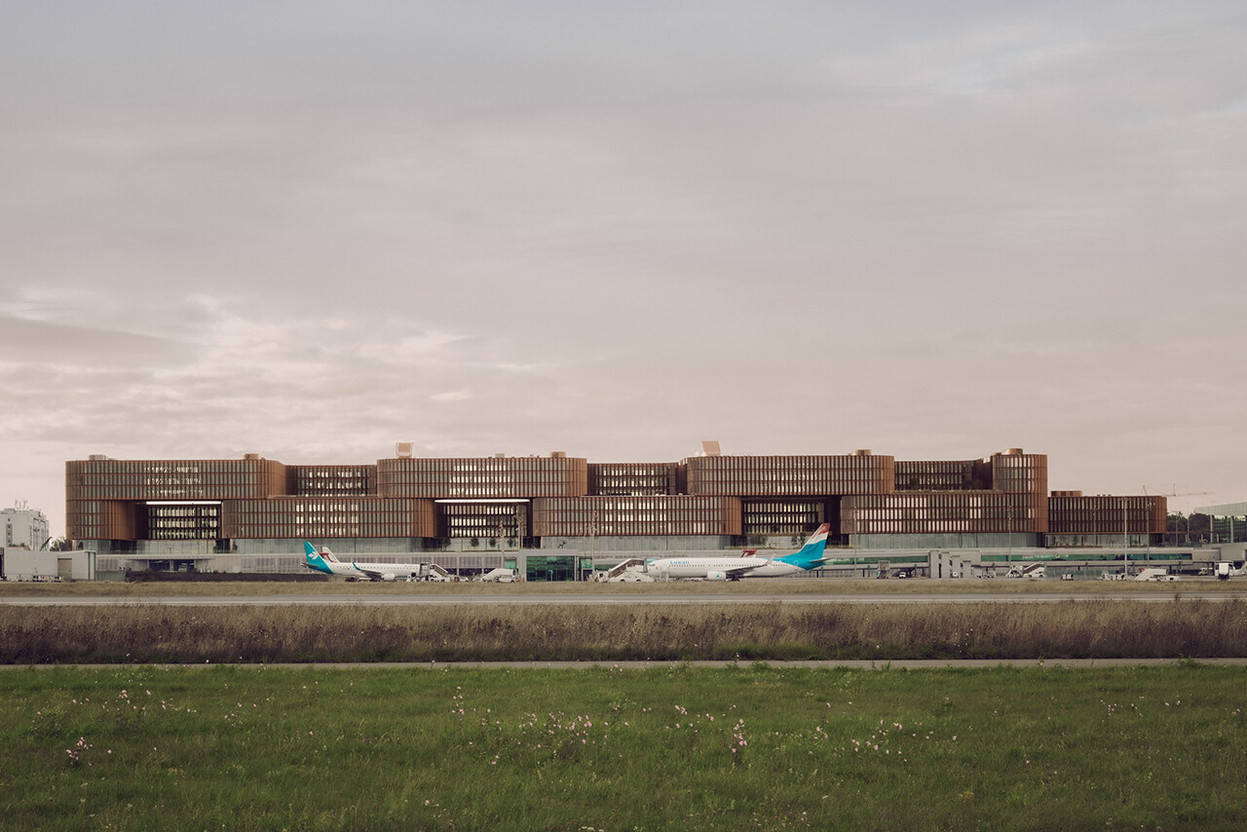
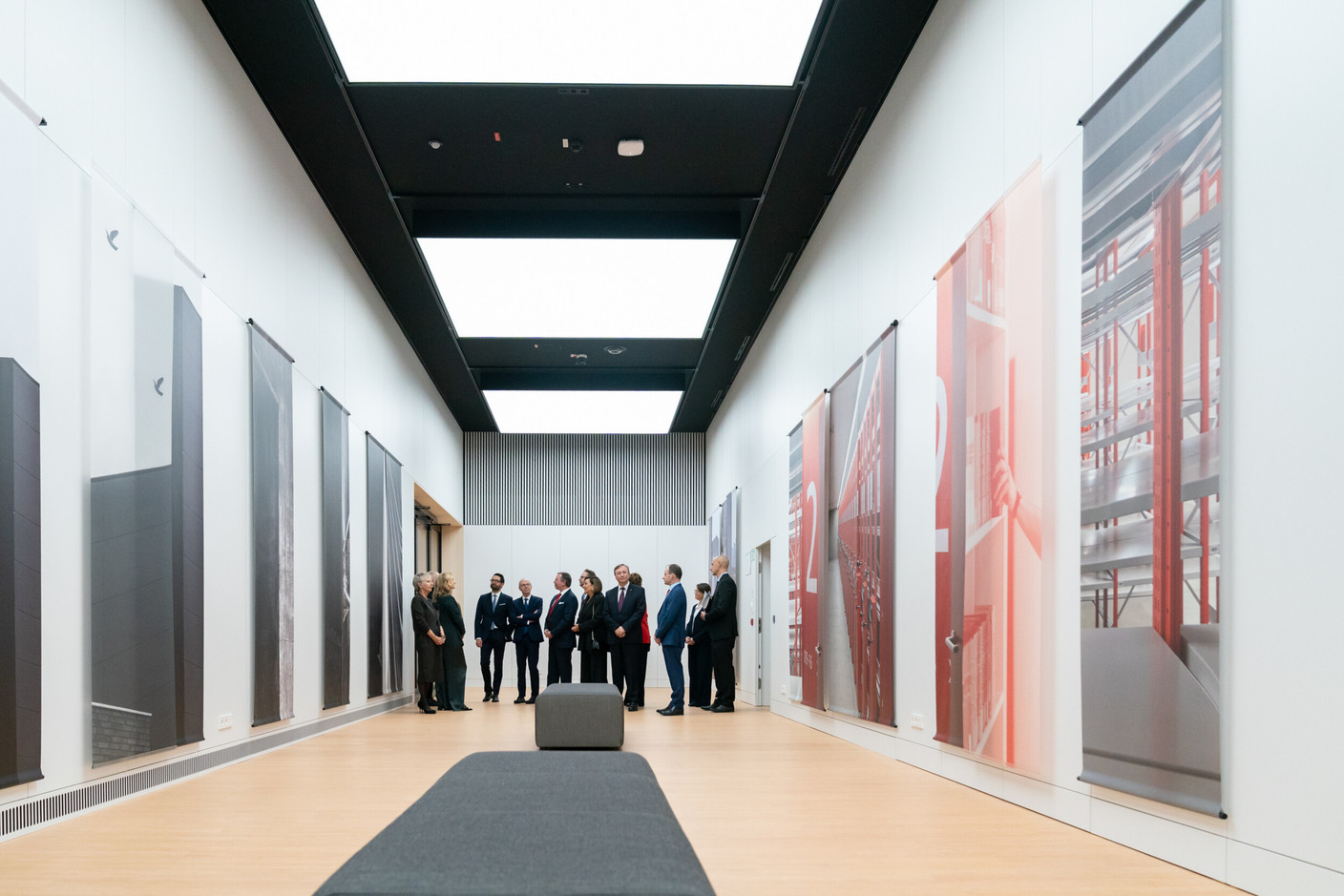
At the rear, a long, black structure, almost entirely enclosed, protects the archives. The reinforced concrete supports the immense weight of the shelving whilst helping to maintain stable temperature and humidity levels. The documents are kept away from light, and the spaces have been designed to minimise the risks of fire, flooding and unauthorised entry.
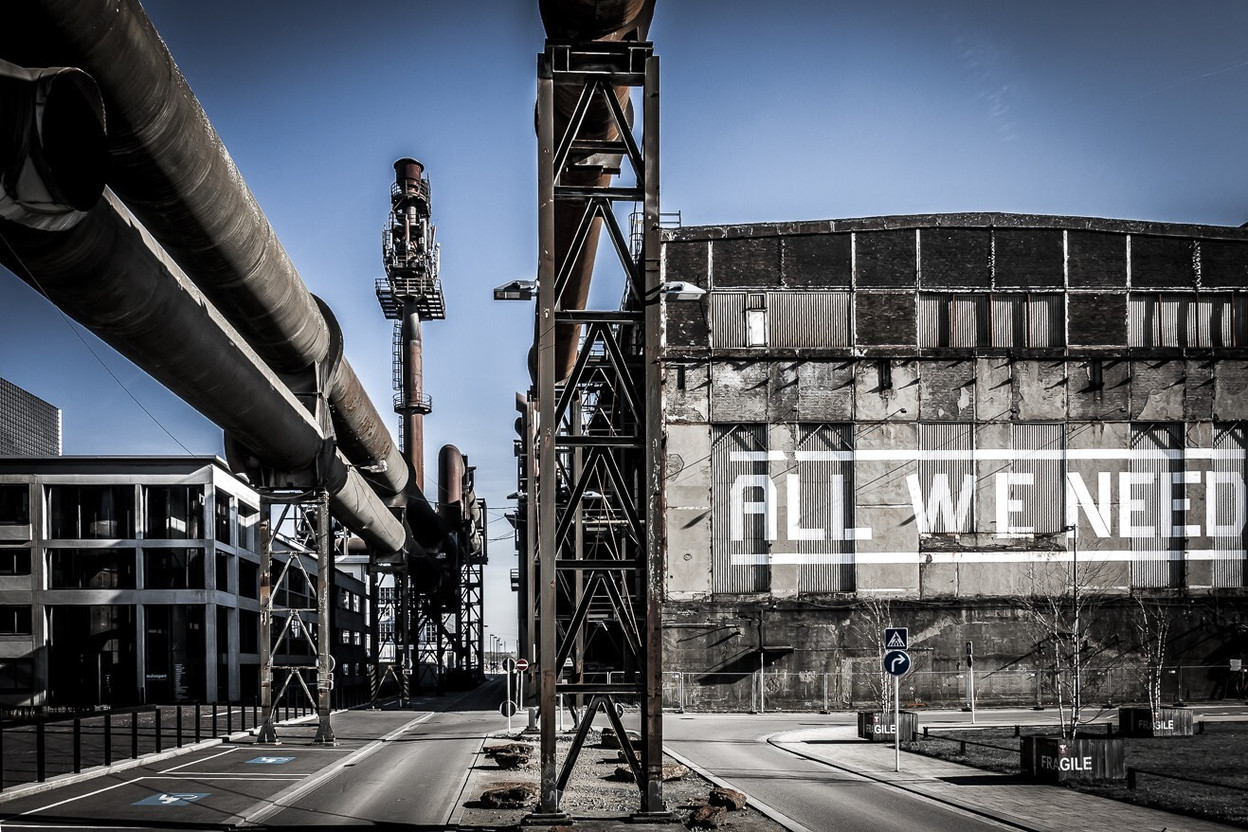
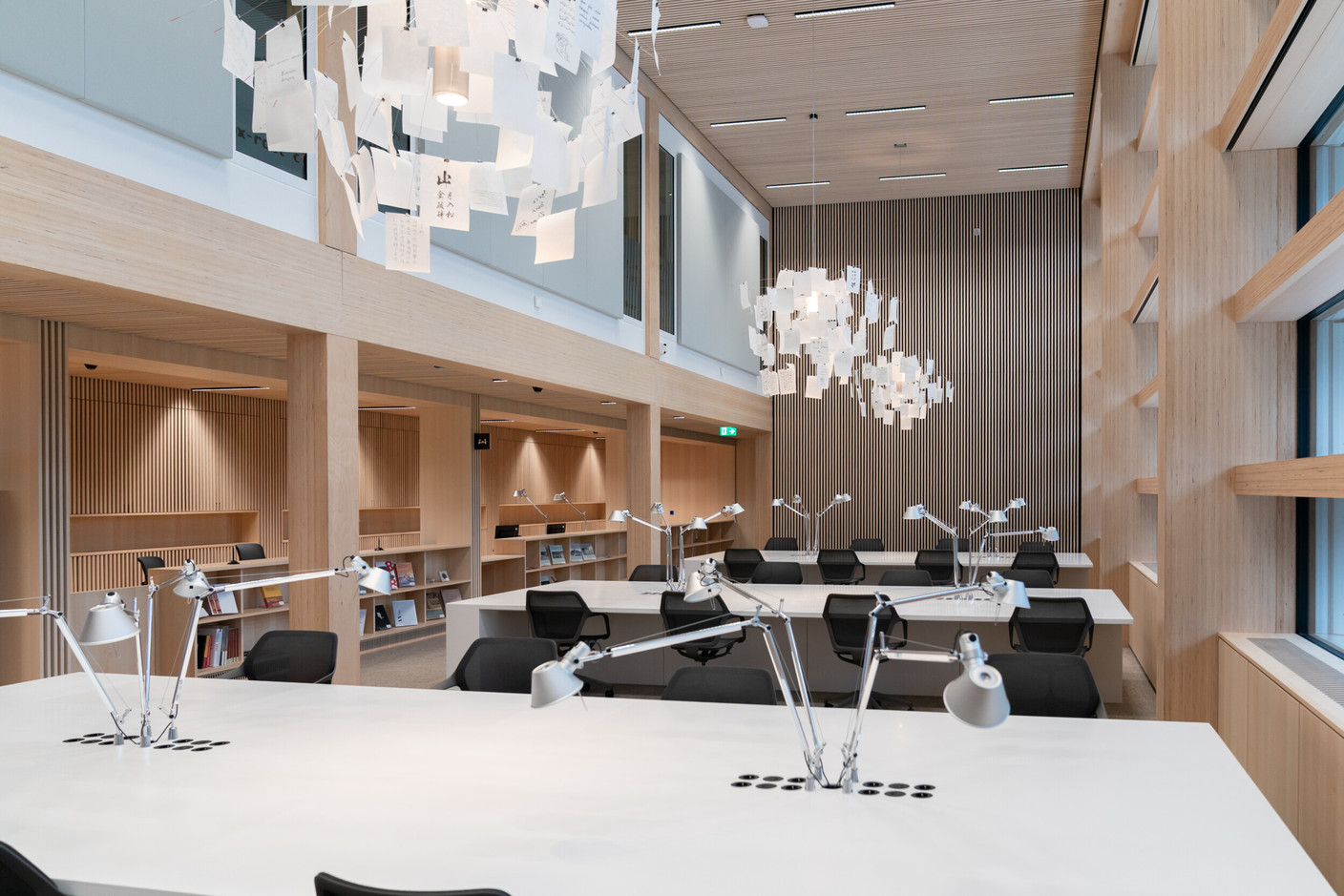
At the front, the timber structure of the workspaces and consultation areas, together with their aluminium cladding, create an architectural design that is more open to the outside: a glazed space connects the two sections and acts as a thermal buffer. Facing the blast furnaces, this new and effective guardian of our heritage writes a new chapter, bearing witness to our industrial history.
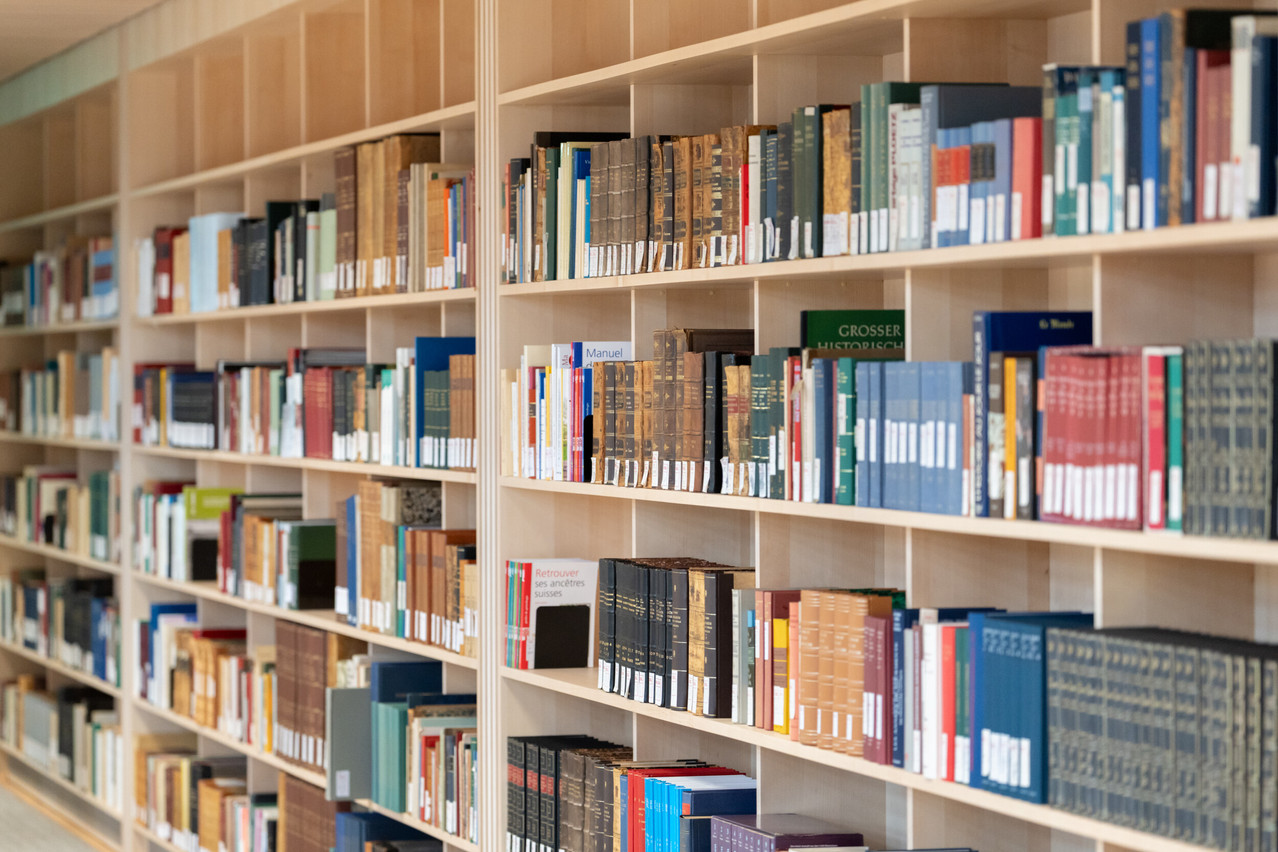
In addition to their preservation remit, the National Archives play a vital role in the management and promotion of public and private archives of national interest. (Photo: Emmanuel Claude)
Designed to last, the building also combines geothermal and solar energy. Its photovoltaic panels on the façade and roof are expected to generate around 650,000kWh per year, whilst annual electricity consumption is estimated at 433,000kWh.
This large-scale project required not only expertise but also patience: the design competition won by Paul Bretz Architects dates back to 2003. After several revisions and delays, construction began in March 2022 and the reading room opened on 24 June 2026, a few months before the official opening.
A legacy to be shared with everyone
However, preservation only truly makes sense when the documents can be accessed. The building comprises a reading room with 48 seats, a multimedia area and individual or group research rooms. Exhibitions, lectures, educational workshops and guided tours will gradually resume over time, so that the widest possible audience can benefit from these archives.
In Belval, the archives – now centralised and well established – therefore have a place where they can stand the test of time. And the public has a sustainable facility where they can reconnect the past with the present.
For the record
Before 1796, everyone has their own records: abbeys, manors and other institutions keep their own archives. There is as yet no national archive housed under one roof.
1796, let’s get organised! Under French administration, the Departmental Forestry Archives were established. The documents were housed in what is now the Grand Ducal Palace, and later in what is now the Courthouse.
1840, leading to the first name: the archives became the ‘Government Archives’.
1869, relocation to a new premises on Rue Notre-Dame, in the wing of the former refuge at Saint-Maximin Abbey.
1933, memory becomes part of culture. The Archives are moving into the current ministry of culture, alongside the National Library.
1958, the introduction of a legal framework. A law grants them official status.
1968, everyone is trying to find their place. The Archives are moving to the former Saint-Esprit barracks, where they will remain until 2026.
1988 or the year of the name we are familiar with. They became the National Archives, with the status of a cultural institution.
From the 1970s to 2017, the boxes are taking up more and more space. The collections are growing, and the storage areas are multiplying: a former hotel, then sites in Bourmicht and at the Theatre car park.
Between 2003 and 2014, an era in which projects take their time. Paul Bretz won the international architecture competition launched in 2003. Re-examined as early as 2004 and planned in several phases, the project was postponed. The nation’s memory must wait a little longer.
2018, archiving is governed by law. The Act of 17 August 2018 establishes a new legal framework for organising the preservation of archives.
2020 or the go-ahead for Belval! On 23 July, MPs approved the construction and fitting-out of the new building. In the midst of the pandemic, the future of the Archives is finally moving forward.
In 2022, this time, we’re breaking ground: the first spadeful was taken on 3 March in Esch-Belval.
2026 This is the year of the move: the Saint-Esprit site will close permanently on 8 May. From 24 June, readers will be able to explore the new reading room in Belval.
After more than 20 years in the making, the memorial is finally taking shape.