Fifteen EU member states have activated the national escape clause under the Stability and Growth Pact, allowing them to increase defence spending without triggering excessive deficit procedures, the European Council announced on 8 July 2025. Luxembourg notably abstained, signalling a cautious fiscal stance amid an increasingly tense geopolitical climate.
The clause provides budgetary flexibility over a four-year period, permitting a maximum additional expenditure of 1.5% of GDP specifically for defence purposes. This move was designed to support member states’ transition to enhanced military investments while maintaining overall debt sustainability.
The member states that activated the clause include Belgium, Bulgaria, Croatia, Czechia, Denmark, Estonia, Finland, Greece, Hungary, Latvia, Lithuania, Poland, Portugal, Slovakia and Slovenia. Germany’s activation was pending until the finalisation of its medium-term fiscal-structural plan, the council added. The clause effectively allows the European Commission and Council to forego opening new excessive deficit procedures against these member states when defence spending exceeds approved expenditure paths, provided other budget rules are respected.
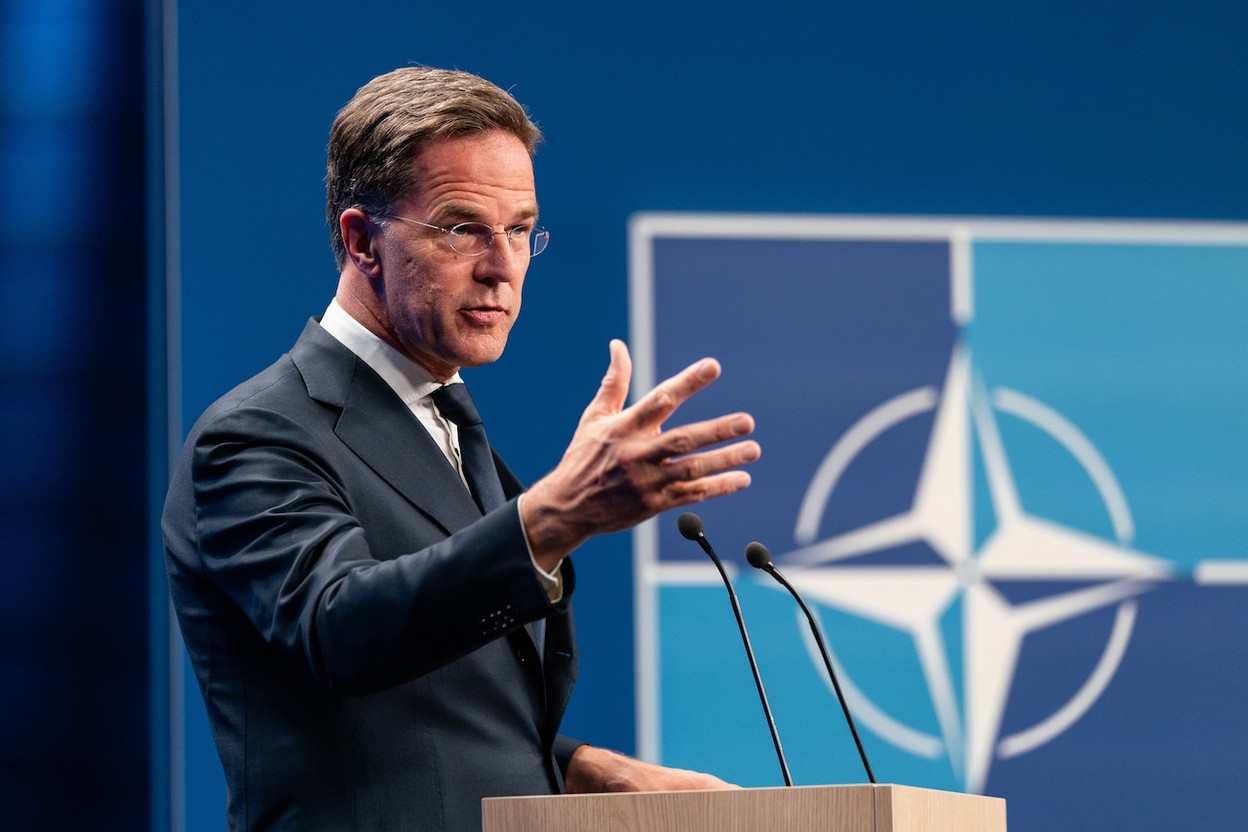
Earlier, Nato members within the EU agreed on a target of 5% of GDP spending on defence, to be reached by 2035, at a summit on 25 June 2025. Luxembourg’s military spending is calculated in relation to gross national income (GNI) rather than GDP.
All other spending categories remain subject to standard EU fiscal rules, and member states must continue adhering to the revised economic governance framework despite the clause’s activation. The EU underlined that this flexibility aims to strengthen European defence readiness, reduce strategic dependencies and address critical capability gaps.
When asked, Luxembourg’s ministry of finance told Paperjam that minister