There was no doubt that the 32 member countries would agree on the objective of increasing their defence spending to 5% of their GDP. As is customary in such negotiations, the terms of application are sufficiently flexible for everyone to be satisfied. US president Donald Trump was the first.
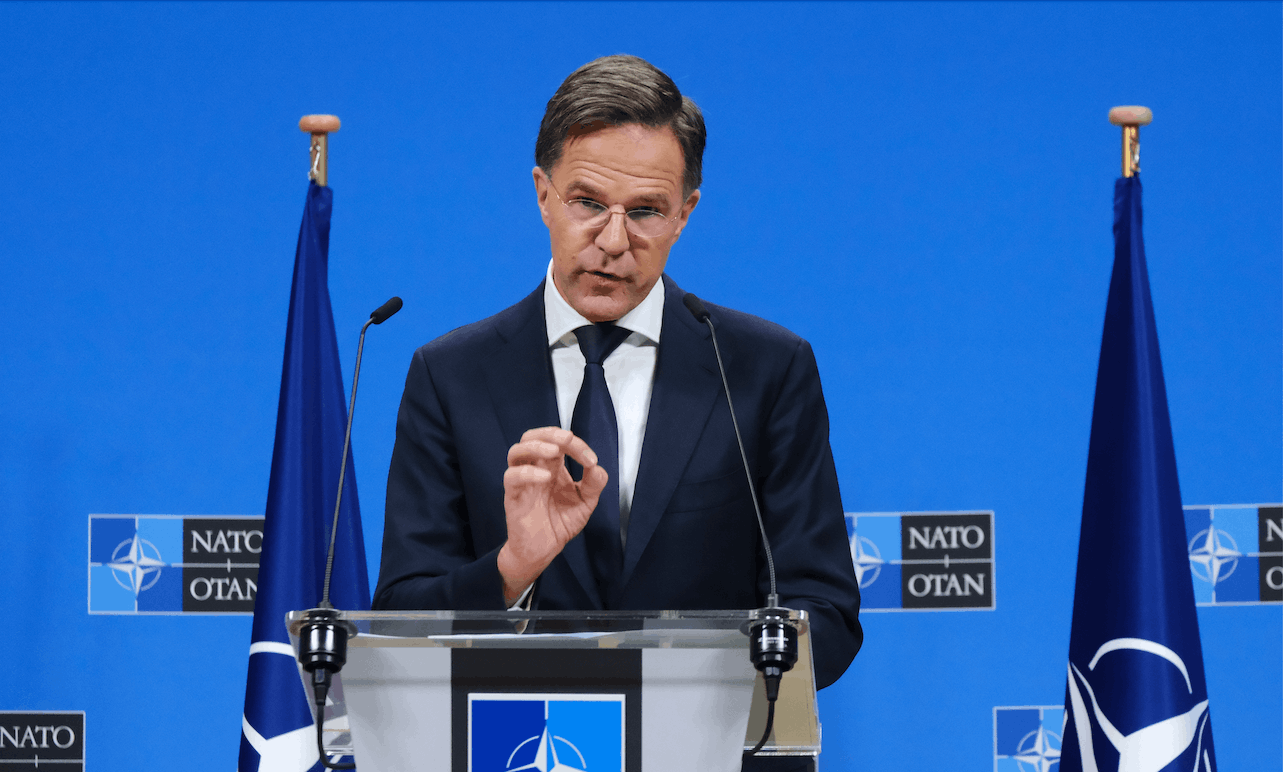
After the meeting of heads of state and government, Nato secretary general Mark Rutte spoke of a “quantum leap in our collective defence” and hailed an agreement “that will not only increase our security but will also create jobs.” It’s a way of responding to the criticism voiced in several countries that military spending will come at the expense of social spending.
All the allies have therefore agreed to invest 5% of GDP in defence. It should be remembered that Luxembourg’s military spending is not calculated in relation to GDP, but in relation to gross national income (GNI), a status quo that has not been called into question. Of this sum, 3.5% of GDP will be invested in basic defence requirements. This is “a benchmark that until today was set at 2%. A target that I am pleased to say all Allies will now meet this year or have already met. The 3.5% is to fund our militaries and the equipment they need--from our air defences to ammunition, drones, tanks, troops and more,” explained Rutte. The remaining 1.5% will be allocated to “investments that support our defence and security.” These are investments for which the outline in terms of where the expenditure will be allocated remains to be refined.
10 years to create an integrated defence industry
Whilst Donald Trump had demanded from allies that the 5% mark be reached “now,” the allies have set the deadline at 2035. This should give European countries--whose public finances remain fragile--some breathing space.
The time is also necessary for this plan to be implemented in practice. “This requires that we rapidly expand our defence industrial capacity on both sides of the Atlantic. We need quality and quantity. We need to innovate and we need to act fast. So we will continue our work to bring down barriers. We will leverage our partnerships with the European Union, with Ukraine and in the Indo-Pacific to foster defence industrial cooperation. And there are major economic benefits with the potential for literally millions of extra jobs across the Alliance. The decisions made today will make Nato much stronger. They will also make Nato a fairer Alliance with Europe and Canada stepping up and carrying their fair share of the responsibility for our shared security,” detailed Rutte.
Reaffirmed support for Ukraine
Whilst Ukraine is still not formally a member of Nato, it is included in the defence industrial cooperation referred to by Rutte, so much so that its membership seems self-evident. In The Hague, the allies reaffirmed their support for Kyiv. “Our resounding message to [Ukrainian president Volodymyr Zelenskyy] and the Ukrainian people is that Ukraine has our continued support, including with over €35bn pledged so far this year, with more to follow. All of this, our aim is to keep Ukraine in the fight today, so that it can enjoy a lasting peace in the future. We stand by Ukraine in its pursuit of peace and will continue to support Ukraine on its irreversible path to Nato membership.”
“All of this is crucial. It means that no matter the challenges we face--whether from Russia or terrorism, cyberattacks, sabotage or strategic competition--this Alliance is and will remain ready, willing and able to defend every inch of Allied territory. And ensure that our one billion people can continue to live in freedom and security. These decisions will have a profound impact on our ability to do what Nato was founded to do--deter and defend,” concluded Rutte.
This article was originally published in French.