Member countries last year committed to reducing gas demand by 15% between August 2022 and March 2023 in response to the war in Ukraine and weaning the bloc off fossil fuel supplies from Russia.
Luxembourg in December managed to save 18.2% of gas compared to the average consumption of the previous five years, data provided on Wednesday showed. This despite a cold snap last month.
“This December was colder than in previous years,” said Turmes (déi Gréng), with an average temperature of 2.6°C. This compared to 3.7°C in 2021, 3.8°C the previous year and even 4.3°C in 2019.
Across the EU, gas consumption was down by 20.1% between August and November last year compared to the 2017 to 2021 average, according to the latest numbers available by Eurostat.
“In the dramatic situation of Putin’s illegal war in Ukraine, we have managed to replace around 40% of Russian fossil gas and in just under a year balance the market,” Turmes said. “But it’s also not the time to lean back. We have months before us that could become cold. The effort must continue.”
The liquefied natural gas (LNG) market could become more complicated this year, the energy minister warned, as China emerges from its zero-covid policy that had slowed down its economy and energy needs.
“The secret hope of energy ministers in Europe is that gas storage at the end of this winter, in April, will be almost 50% full,” said Turmes. In April last year, they were at just 30% capacity resulting in a scramble to fill them up ahead of winter. “If we managed that we would have a good basis to get through the next winter.”
2023--the year of home improvement
Communes in Luxembourg, for example, distributed energy savings kits to households amid a plethora of measures aimed at reducing fossil fuel demand.
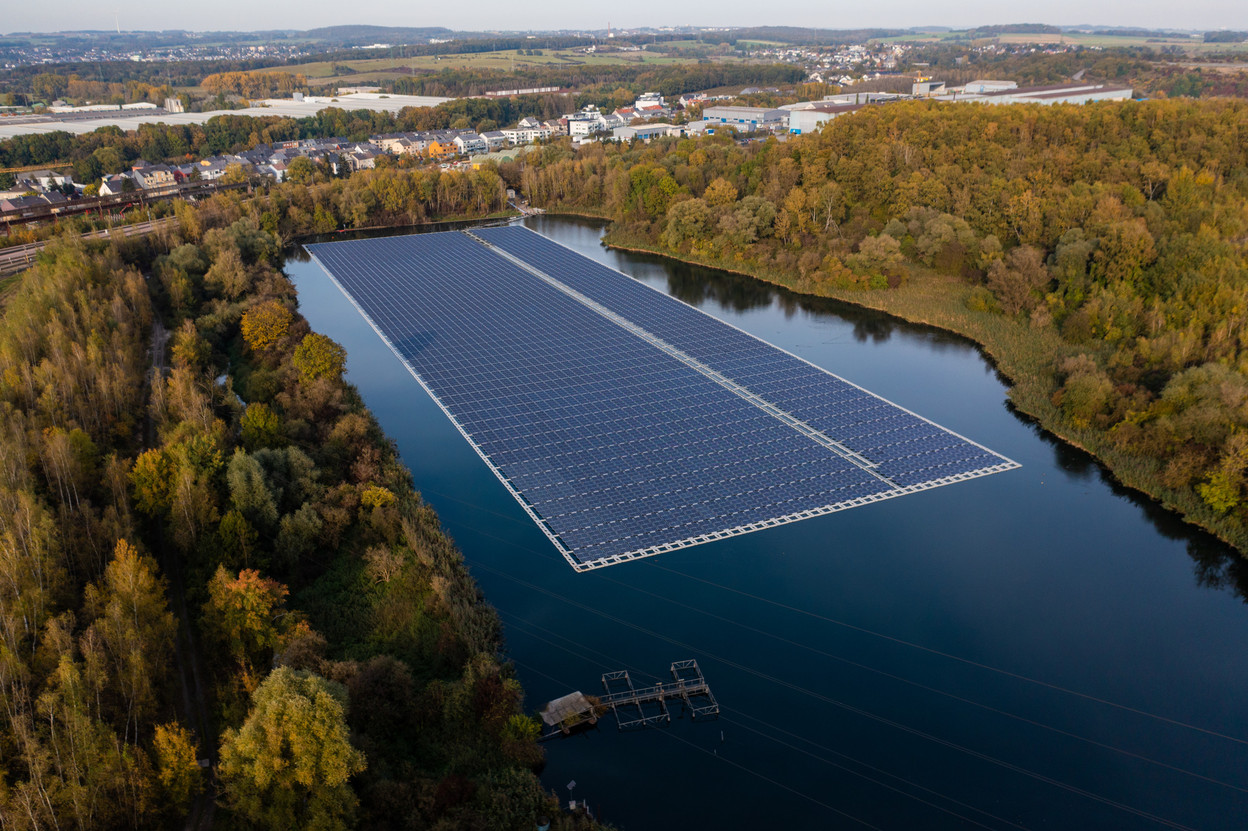
With the start of 2023, the VAT on solar panels has been reduced from 17% to 3% and subsidies of 20% are available for their installation. Further programmes aim at replacing fossil fuel-based heating with greener alternatives, such as heat pumps or pellets, or home renovation projects, such as better insulation of walls, roofs and windows.
“2023 is the year of the highest subsidies ever in this area,” said Turmes.
The ministry has added several members to its team to process applications for funding, the minister said. The environment ministry had previously been caught off guard by the popularity a subsidy scheme for bicycles and e-bikes leading to year-long wait times for people to get their money back.
The Klima-Agence, a public body that provides free consultations on energy savings measures, has also recruited more staff. Last year, it carried out nearly 12,000 consultations, director Fenn Faber said on Wednesday, a 25% increase compared to the previous year, showing a clear interest and demand. An online tool meanwhile allows users to get a full overview of the grants available from the government, communes or suppliers.
The government-subsidised projects don’t need to be completed in 2023, Turmes said. At the end of last year, the Chamber of Skilled Trades and Crafts had already warned of delays to construction projects because of a shortage of staff in the sector as well as supply chain delays. The chamber’s president Tom Oberweis on Wednesday would not be pinned down on delays that customers can expect, but said it is doing its utmost to get people trained up in the new technologies.