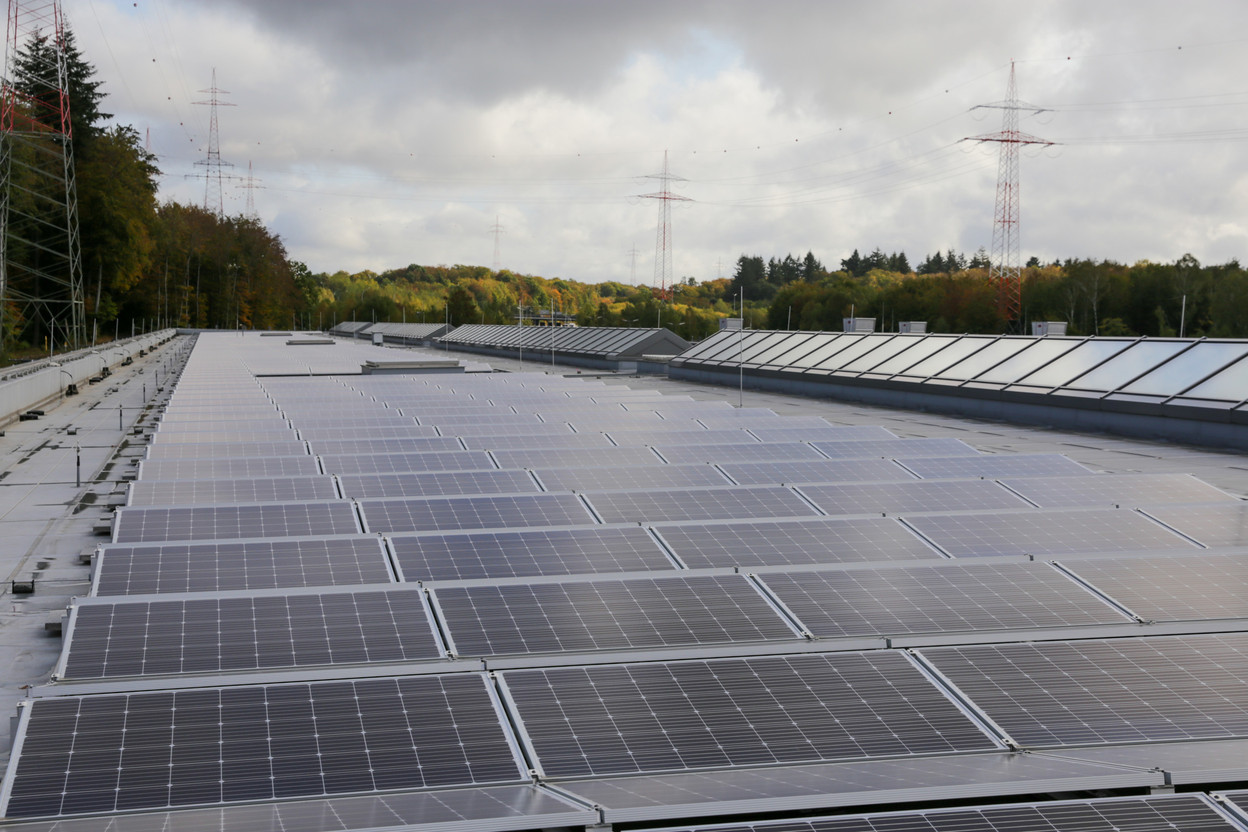
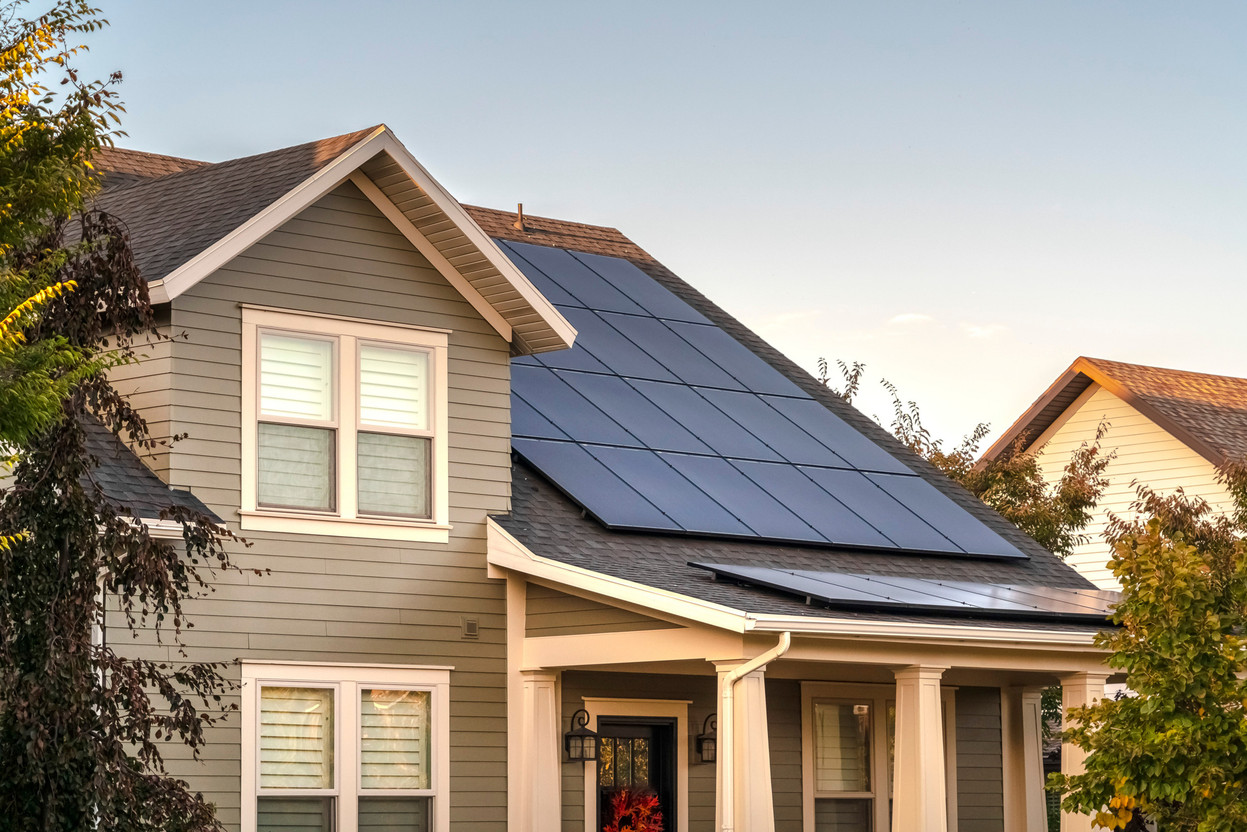
The EU added a record-breaking 41.4 GW of solar power in 2022, said SolarPower Europe, a lobby group, in a report published in December. This new capacity is equivalent to the energy needs of 12.4m households. Amid a gas crisis following Russia’s attack on Ukraine, the report said this capacity replaces 102 liquefied natural gas (LNG) tankers.
“This year has taught us of the grave importance of a secure, home-grown energy system, one that cannot be manipulated for geopolitical purposes. That system needs to be based on renewables,” the EU’s energy commissioner, Kadri Simson, said in the report. “Solar has a very important role to play as it can be deployed fast, and already make a real difference in the current crisis.”
The grand duchy increased its solar capacity from 435W per capita in 2021 to 629W last year, placing it fifth in a ranking of EU countries. The Netherlands topped the list at a whopping 1,044W per capita, followed by Germany (816W), Denmark (675W) and Belgium (663W).
Grid-connected capacity across the EU increased 47%, SolarPower Europe’s analysis said.
More ambitious targets
Luxembourg’s Klima-Agence, a public office providing free consultations on energy savings, last April said it had seen a big increase in demand from homeowners to discuss the benefits of solar panels. Companies installing the technology also said their order books were full.
At the current pace, Luxembourg could meet its 2030 solar energy targets as early as 2026, the SolarPower Europe report said.
“A potential key bottleneck will be the capacity of installers to cope with the ever-increasing demand,” the report said of growth in the EU at large.
All EU countries had to submit a National Energy and Climate Plan to the EU in 2019 with a view towards achieving the union’s goal of reducing emissions by 55% by 2030 and going climate neutral by mid-century. The national plans are due to be reviewed and updated in 2023 and SolarPower Europe urged EU countries to set more ambitious target in light of the fast growth of solar power.
Under current projections, the solar fleet in the EU will increase from 209GW in total at the end of 2022 to around 400GW in 2025 and 920GW in 2030. But the interest group estimates that this could be as high as 1,184GW if countries adjust their targets, remove administrative red tape and adopt incentivising policy frameworks.
Luxembourg offers a subsidy of 20% of the investment cost on photovoltaic systems, with some communes offering additional benefits. With the 2023 budget, the government also introduced a super-reduced VAT rate of 3% for solar panels, down from 17% previously.