1. Is my heat pump affected?
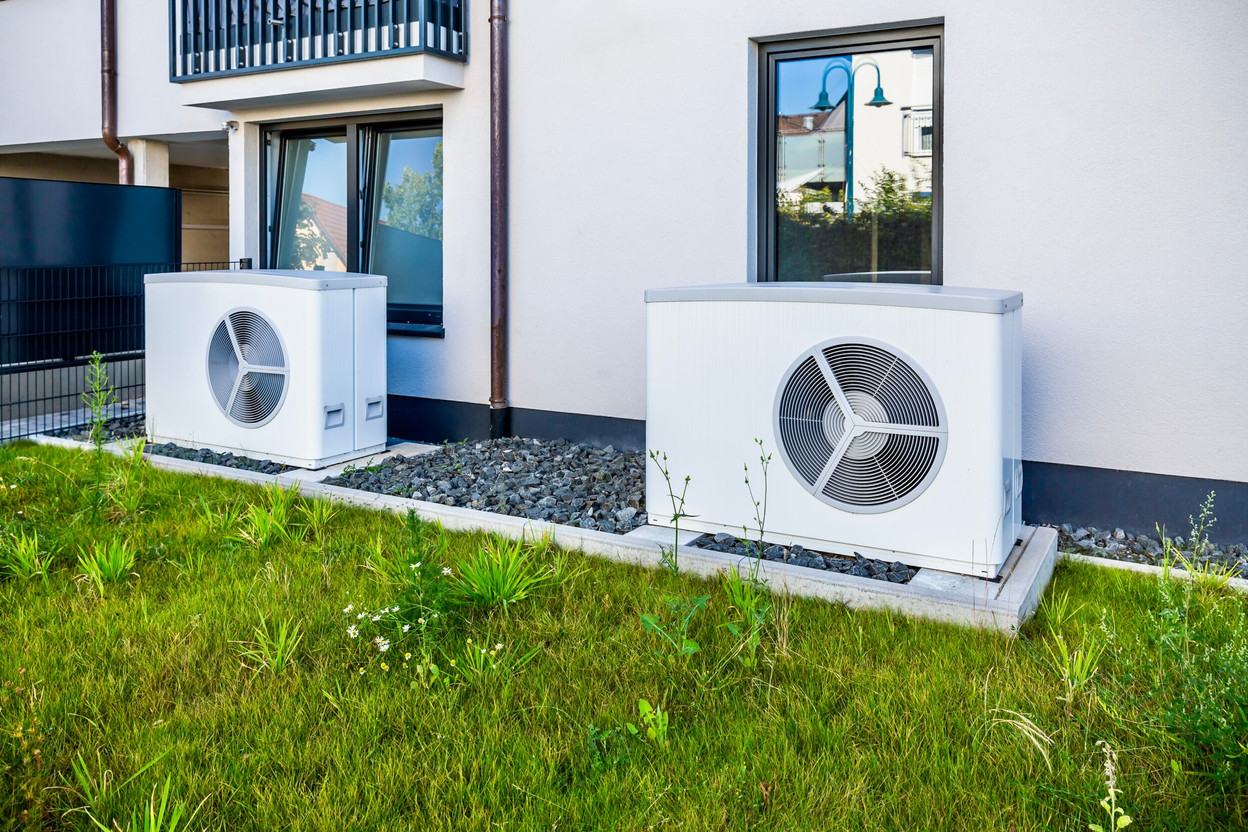
The scheme applies to fixed heat pumps connected to a water-based central heating system, regardless of their output. A domestic air-to-water heat pump is therefore covered.
Systems that have been in use for less than a year and pumps that release heat directly into the air without being connected to a water-based central heating system are excluded. This applies in particular to many air-to-air heat pumps.
2. Will a pump that is already installed need to be inspected?
Yes. The scheme does not apply solely to new equipment.
An existing pump must undergo an initial inspection no later than two years after the act comes into force. A new installation must be inspected no earlier than one year and no later than two years after it is brought into service.
Following an initial satisfactory inspection, the inspection will take place every four years, or every five years where the pump is monitored and controlled electronically via a remote system. The frequency is reduced to every three years for installations with a capacity of more than 290 kilowatts.
3. Who should organise the audit?
In the case of a new pump, the company that commissioned it must apply to the Chamber of Trades for approval within one month. Approval must then be granted within three months of the application.
Responsibility for periodic inspections lies with the operator, that is to say, the person who oversees the technical operation of the pump or, failing that, the owner of the building. It is therefore their responsibility to note the due date and to contact an authorised company.
4. What will the inspector check?
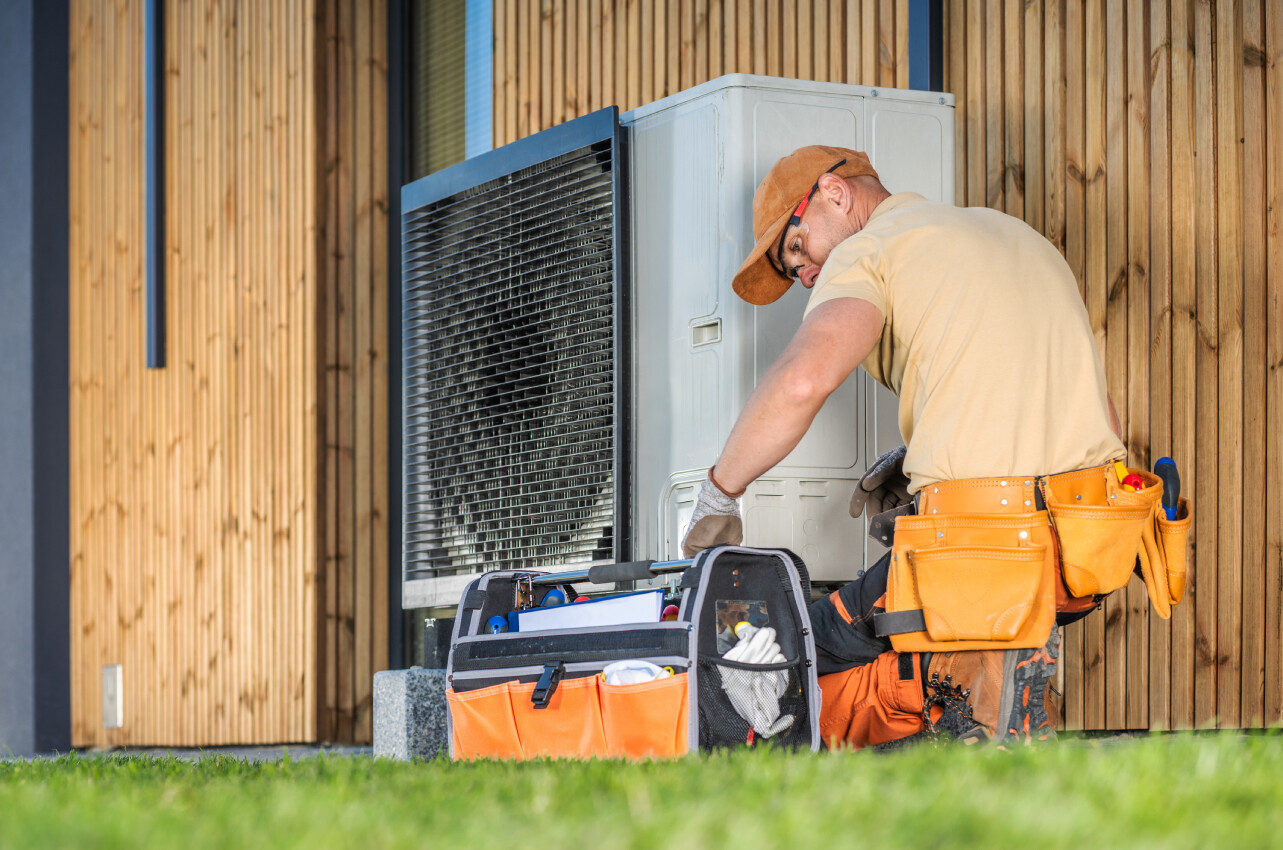
The audit will focus in particular on:
- calculating the building’s heating requirements;
- pump sizing;
- its location and installation requirements;
- hydraulic balancing;
- the condition of the components and pipework;
- pipe insulation;
- adjusting the auxiliary heating;
- how the meters work;
- the integrity of the refrigeration circuit;
- the documentation and labelling of the installation.
The acceptance report must also document compliance with the applicable acoustic requirements.
5. Will its electricity consumption be assessed?
Yes. The regulations stipulate that the electricity consumed by the pump and the heat it provides must be measured. The consumption of the electric auxiliary heating system must also be measured separately where technically possible.
The inspector will thus calculate the pump’s actual performance since it was commissioned or since the previous inspection. This may reveal incorrect settings, inappropriate sizing or excessive use of auxiliary heating.
However, the text does not specify a single minimum pass mark that would automatically result in a fail at the test.
6. What does ‘an item to monitor’ mean?
This is a fault that must be recorded in the report, but which does not require the pump to be shut down or immediate repairs to be carried out.
This category may include, for example, technical documentation, heating curves, certain temperature measurements, pipe insulation or performance calculations. The installation may continue to operate.
7. Which faults will need to be repaired within three months?
A ‘conditional’ acceptance or inspection gives the owner three months to bring the installation into compliance.
This may include, in particular:
- a lack of, or incorrect, hydraulic balancing;
- a faulty component or pipe;
- the auxiliary heating is set incorrectly;
- an electricity or heat meter that is out of order;
- a poorly documented modification to the installation.
Once the work has been completed, a further acceptance test or inspection is mandatory. If this does not take place or if the same faults are found, the pump must be taken out of service.
In exceptional circumstances, an extension may be granted, provided that a detailed justification and a work schedule are submitted promptly to the Environment Agency.
8. Under what circumstances should the pump be switched off?
A leak or malfunction in the refrigeration circuit will result in a negative outcome.
The pump must then be taken out of service until it is brought back into compliance. It may only be used again once the problem has been rectified and a further inspection has been carried out.
9. How much will the inspection cost?
Neither the act nor the regulations specify a tariff.
The law stipulates that the initial inspection must be invoiced to the applicant and that the periodic inspection must be paid for by the person requesting it. The maximum fee for the initial inspection must be set by agreement between the minister and the Chamber of Trades.
The owner will also have to bear, where applicable, the cost of repairs and the new compliance inspection. The price therefore remains the main unknown factor in the scheme.
10. What are the risks for a landlord who does nothing?
Any operator who fails to request a periodic inspection by the specified deadlines is liable to an administrative fine of between €75 and €5,000.
The regulation does not introduce this penalty, which is already laid down in law. Instead, it sets out the framework for carrying out the inspection: items to be checked, four possible outcomes, the time limit for rectification and the conditions for taking the vehicle off the road.
What is new, therefore, is not the existence of the inspection itself, but its content. Property owners now know what will be checked in their homes and what they will need to do if their pump does not pass the test.