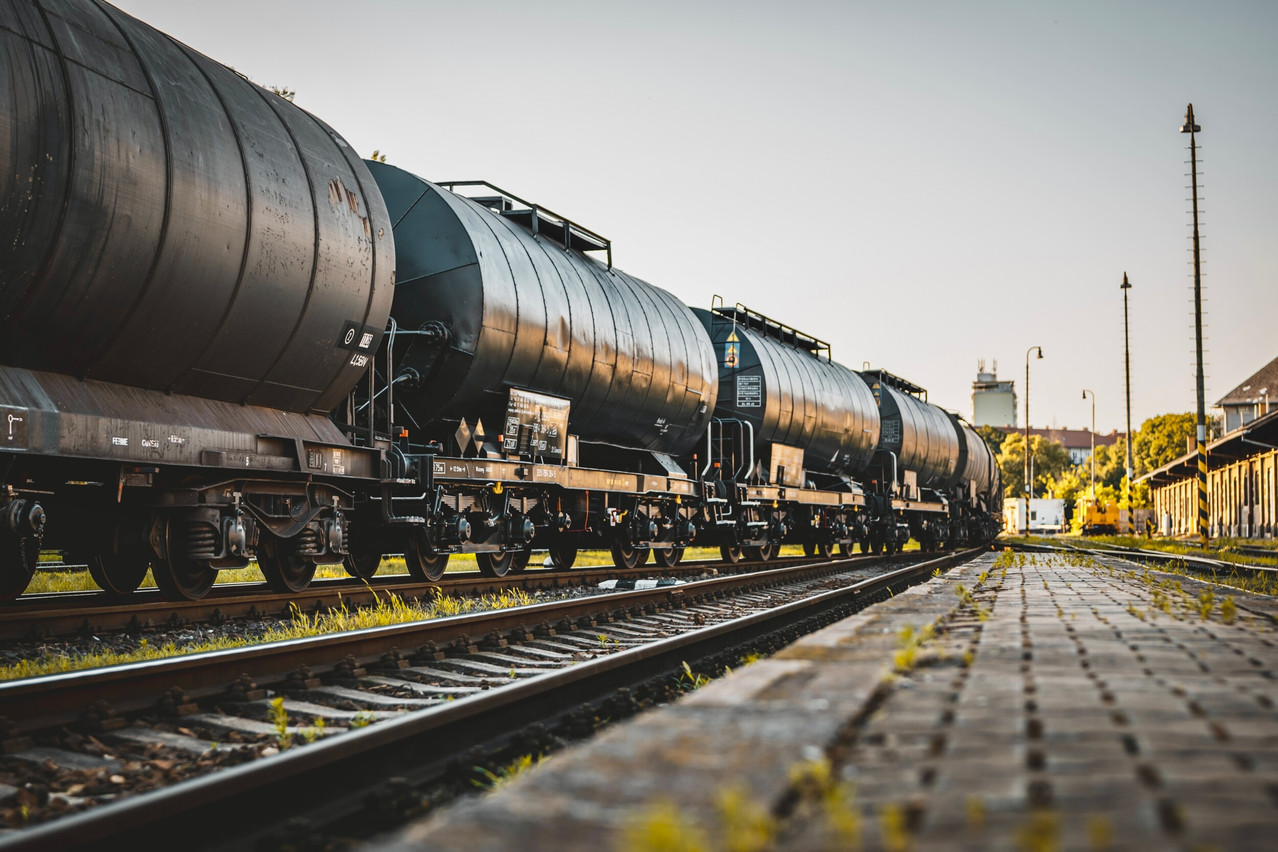
Scheduled works will take the railway link serving the port of Mertert out of service from next week, removing one option from a fuel network already adapting to restricted river traffic. Importers are loading more products directly in Belgium and switching between rail, road and barges to keep filling stations supplied.
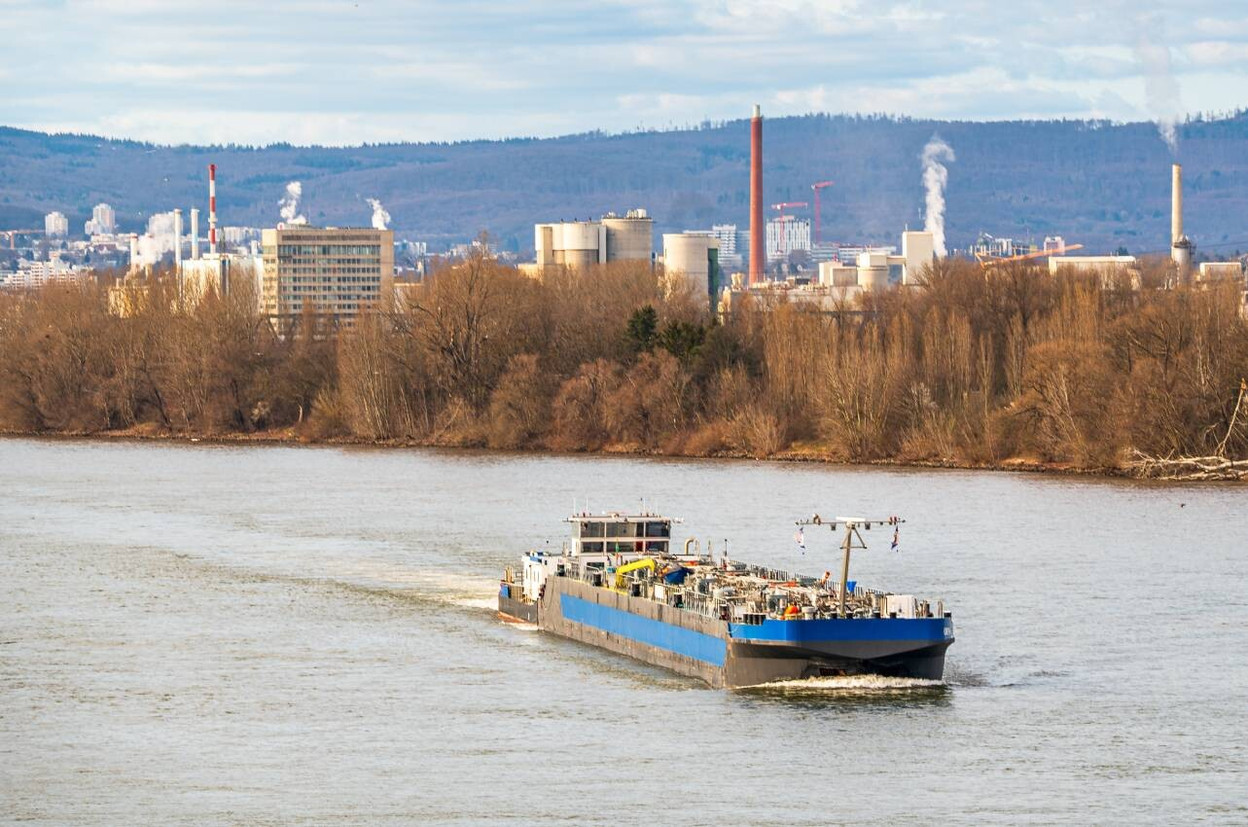
For motorists, the most likely consequence is a temporary gap in a particular product at an individual station rather than a general fuel shortage. Barge deliveries are already constrained by low water on the Rhine and Moselle, while deliveries towards the Liège region may also face delays after the partial closure of the Albert Canal during firefighting operations in the Hautes Fagnes.
“Our members have mainly faced logistical delays rather than difficulties obtaining petroleum products,” said Eric Bleyer, chairman of the Groupement Energies Mobilité Luxembourg (GEML), which represents companies importing and distributing petroleum products. Operators have occasionally been unable to deliver one or more products to a particular filling station at the required time, but GEML says the situation has not materially worsened in recent days.
Importers have responded by moving more volumes by rail where possible, loading more products directly in Belgium and using road tankers for more flexible deliveries. Rail remains important for larger volumes, while road transport can compensate for part of the lost river capacity.
The economy ministry said the coming railway works had been announced sufficiently far in advance for importers to prepare alternatives. “While operations are expected to proceed without significant disruption, isolated and temporary stock shortages at certain service stations cannot be entirely ruled out,” it said.
Within reach
The emergency-stock system would become relevant if those local logistics problems developed into a wider threat to supply. Importers are required to maintain petroleum stocks equivalent to 93 days of average net imports.
At least 10 days’ worth must be physically held in the country. At least 45 days must be held within a regional area extending 185 kilometres from its geographical centre, with those 45 days including the stocks held nationally.
All petroleum importers currently comply with the minimum legal stockholding requirements, the economy ministry said. The country’s 93-day obligation corresponds to roughly 600,000 tonnes of strategic reserves.
The ministry declined to disclose the precise geographical distribution of those stocks, describing it as commercially confidential and saying disclosure could affect market stability and supply security.
The 8,385 tonnes released in March as part of an international coordinated action were crude oil stored in Antwerp, the ministry said. That represented only a modest share of the overall reserve, while emergency petrol and diesel stocks held nationally and within the regional area were not touched and remain fully available.
Their location matters because the present disruption affects two of the normal ways of moving fuel. “In the event of an emergency stock release, and given this limited distance, most of these stocks would likely be transported by truck to end customers in Luxembourg,” the ministry said. It therefore expects the current barge and rail constraints to have only a limited effect on access to those nearby reserves.
The industry adds a practical qualification. How quickly released stocks could reach the market would still depend on the products involved, where they were stored and the available terminal and transport capacity, Bleyer said.
Room to manoeuvre
Neither government nor industry believes the strategic reserve needs to be used under current conditions. “At present, the situation does not, in our view, justify such a measure, as the issue concerns the organisation and timing of deliveries rather than a general lack of petroleum products,” Bleyer said.
The ministry said it remained ready to intervene if a widespread disruption in petroleum-product supply became imminent. That threshold has not been reached despite local problems earlier this summer, including a period in July when one importer was temporarily unable to supply around ten filling stations.
There is no single figure for the reduction in barge capacity caused by low water. Permitted loads vary with the water level, route, vessel and loading and unloading points, Bleyer said, while in some conditions barges may be unable to navigate at all.
Operators currently say they have the volumes and alternative arrangements needed to supply the market over the coming days and weeks. GEML also sees no indication that one particular fuel is structurally more exposed than another.
The workarounds nevertheless have limits. “This resilience is not unlimited though,” Bleyer said. “If several transport constraints were to persist or worsen simultaneously, delivery times could increase and further localised, temporary unavailability could occur.”