Paperjam takes you across Europe to discover the most beautiful cities to visit during the festive season. Cultural escapades, emblematic museums, unusual places or charming addresses: embark on a tour of destinations to (re)discover this winter.
This time, head for Paris, capital of the arts, cinema and emotion. Behind its legendary facades lie lesser-known but equally fascinating places that reveal another side of the city: more intimate, more sincere, more inspiring.
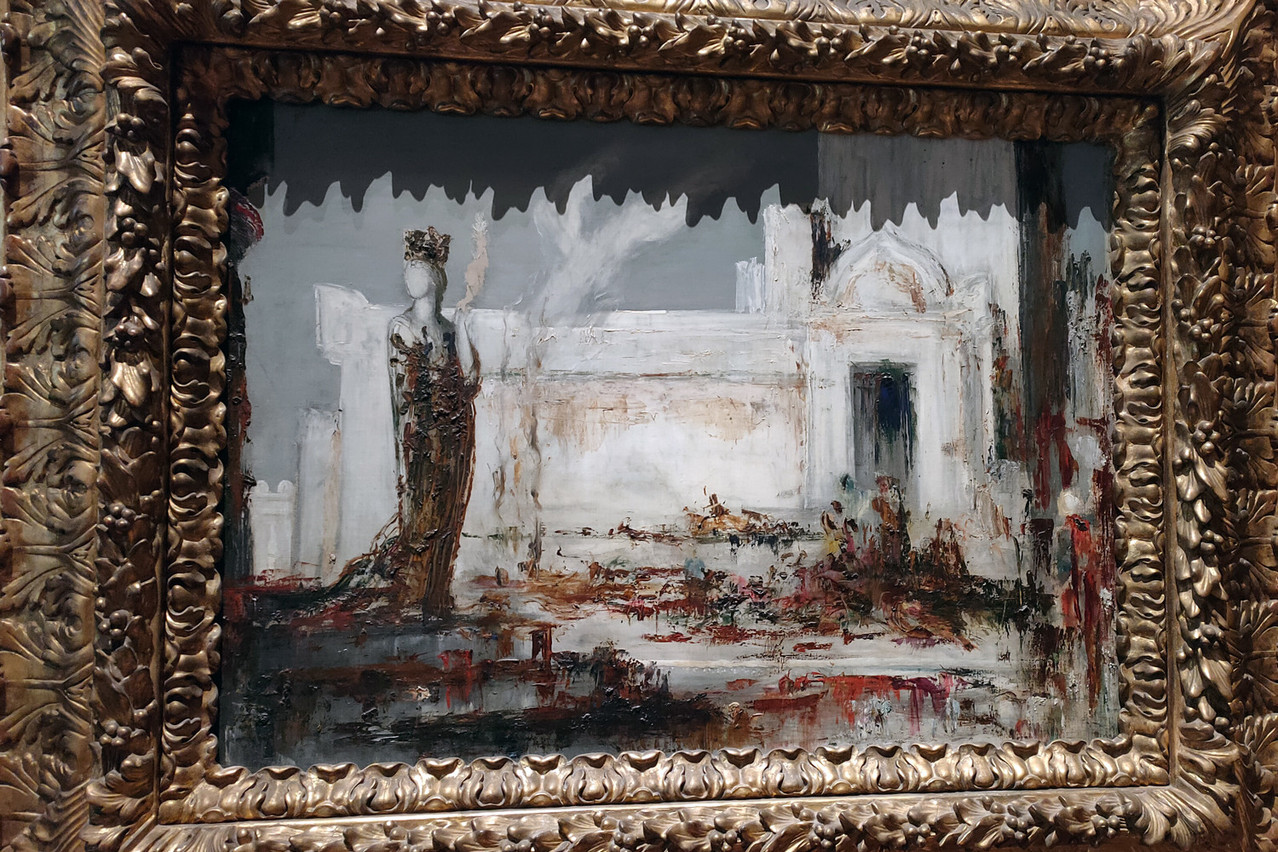
Musée Gustave Moreau
Located in the artist's home and studio, the Musée Gustave Moreau is a place apart, vertical and fascinating. Over four floors, it houses more than 1,300 paintings and watercolours and almost 5,000 drawings, tracing the creative process of the Symbolist master. It is rare to be able to follow the genesis of each work, from sketches to finished canvases, by opening the large drawing cabinets on the top floor yourself - a truly privileged moment.
The museum, which is high up and a little cramped, is little frequented, which reinforces its atmosphere of artistic retreat. The religious and mythological paintings, far from the academic codes, seduce with their majesty and their play of light and shadow. Among the masterpieces not to be missed are "The Daughters of Thespius" and "Narcissus". In some rooms, there are so many canvases that they almost completely cover the walls.
Hôtel de la Marine
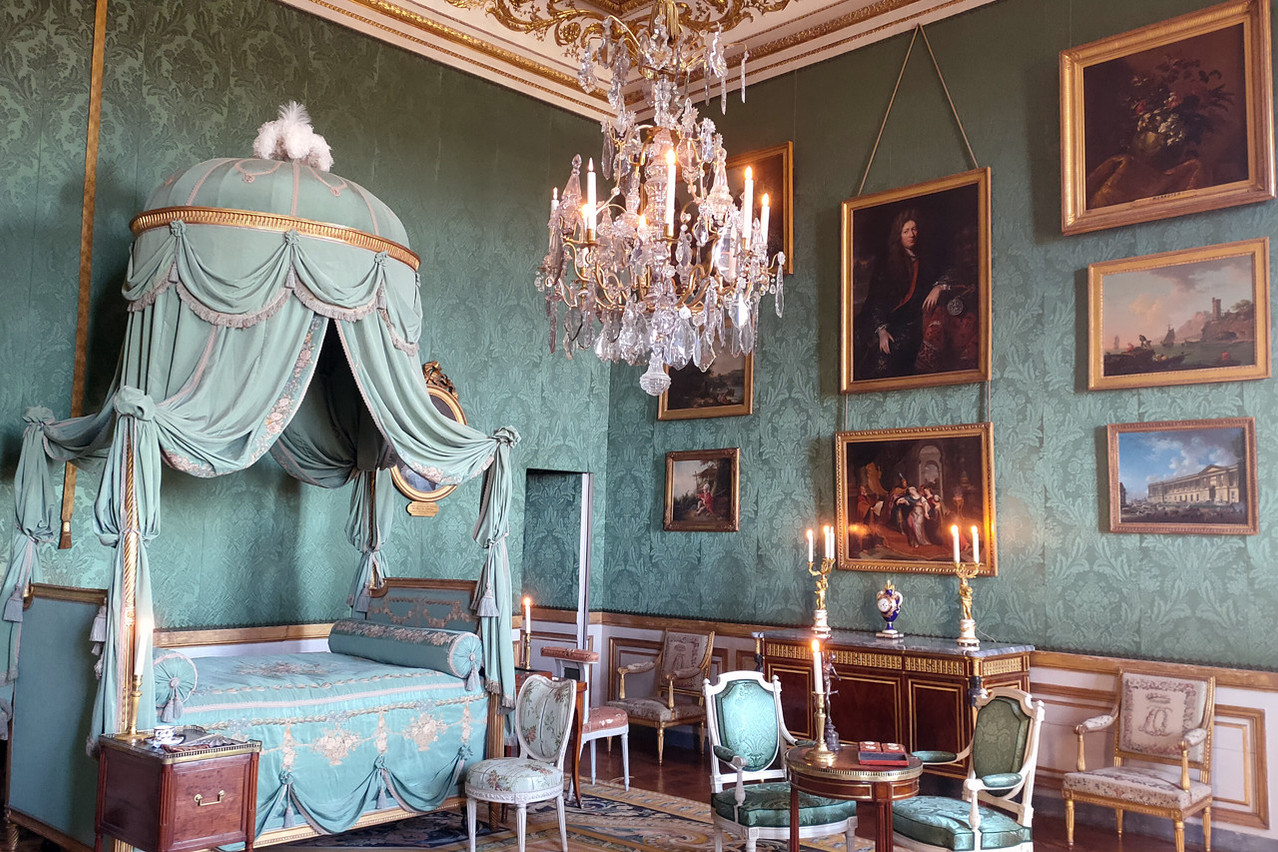
The Hôtel de la Marine is one of the most elegant monuments in Paris. (Photo: Emilio Naud)
On the Place de la Concorde, the Hôtel de la Marine is undoubtedly one of the most elegant and surprising monuments to visit in Paris. Formerly the Garde-Meuble of the Crown, it was restored with incredible meticulousness between 2016 and 2021 to restore the splendour of the 18ᵉ century. Today, visitors can discover the Intendants' Apartments, the ceremonial salons and the loggia, in an immersive experience carried by the "Le Confident" audio headset, a veritable companion to the visit. This device, which is sensitive to the visitor's movements, guides the visitor through the tour, revealing the whispers and memories of the place. This was one of the few times I kept the audio guide in my ear throughout my visit.
As the tour unfolds, you admire the gilding, wood panelling, Louis XVI period furniture and sumptuous fabrics that bear witness to the refinement of the era of Pierre-Elisabeth de Fontanieu and Marc-Antoine Thierry de Ville-d'Avray. At the end of the visit, the view from the loggia over the Concorde and the rooftops of Paris completes the seduction.
The hotel also houses the Al Thani Collection, bringing together more than 500 works of art and precious objects from prestigious public and private deposits from the Louvre to the Mobilier national. A showcase of elegance and history, filled with treasures that have lost none of their lustre.
La Cinémathèque
The Cinémathèque française is a must-see for anyone who loves cinema, but not only. It's a living museum, a space of archives, exhibitions and screenings where you can traverse more than a century of 7ᵉ art history.
The Méliès Museum, at the heart of the venue, is an absolute gem. Spread over 800m² of brand new space, it retraces the magical world of the pioneer of special effects cinema: magic lanterns, cameras, costumes, models and extracts from rare films recreate all the magic of the early days of cinema. The fluid, immersive scenography takes us from Montreuil to Hollywood, via the workshops of Méliès, poet and inventor before his time.
For enthusiasts, the permanent tour is regularly enhanced by ambitious temporary exhibitions. At the moment, the exhibition "Exposing Orson Welles" delves into the life and career of the genius behind "Citizen Kane", between theatre, radio and auteur cinema. And, as its name suggests, the Cinémathèque doesn't stop at the exhibition: it lives to the rhythm of screenings, retrospectives and meetings, bringing together the past and the present. A place where you always come out with stars in your eyes, even before the film begins.
Palais de Tokyo
No museum or gallery, the Palais de Tokyo is a living art laboratory. Since its renovation in 2012, it has become Europe's largest centre for contemporary art, a place of perpetual change where voices, styles and imaginations meet. A veritable rebel wasteland that looks like a palace, it asserts its freedom: here, there is no permanent collection, but a succession of temporary exhibitions that are always unexpected, daring and often monumental.
Every visit here is different. The media, mediums and origins of the artists are intermingled without hierarchy: painting, video, photography, sculpture, textiles, light... everything is experimented with, deconstructed and reinvented. Remains in memory the excellent selection of 2020 with "Notre monde brûle".
At the moment, the Palais de Tokyo is hosting two major exhibitions as part of the carte blanche entrusted to Naomi Beckwith: a retrospective of the American sculptor Melvin Edwards, a major figure in contemporary art and African-American memory, and Caroline Kent's "Au sein du voile, une grammaire", a monumental mural combining abstract forms, wooden reliefs and coded language. Two powerful proposals that perfectly illustrate the spirit of the venue: open, experimental and resolutely turned towards the world.
Musée Carnavalet
Located in two sumptuous private mansions in the Marais district, the Musée Carnavalet is a must for anyone who wants to understand Paris, and above all admire it. People come here above all for its revolutionary masterpieces, including Jacques-Louis David's "Oath of the Jeu de Paume" and Jean-Jacques-François Le Barbier's "Painted Declaration of the Rights of Man and the Citizen".
But you stay for the place itself, a place of rare elegance: monumental staircases, painted walls, antique signs, decorative panels and sublime Art Nouveau details. The Wendel Ballroom, all gilt and mirrors, is one of the jewels of the tour, as is the room dedicated to turn-of-the-century decorative arts.
Certainly, some of the medieval showcases may seem more classical, but the whole remains a visual and historical pleasure, superbly scenographed. A museum where you can discover Paris as much through its works as through its walls.
(Next week, off to Germany)

