Paperjam takes you across Europe to discover the most beautiful cities to visit during the festive season. Cultural escapades, emblematic museums, unusual places or charming addresses: embark on a tour of destinations to (re)discover this winter.
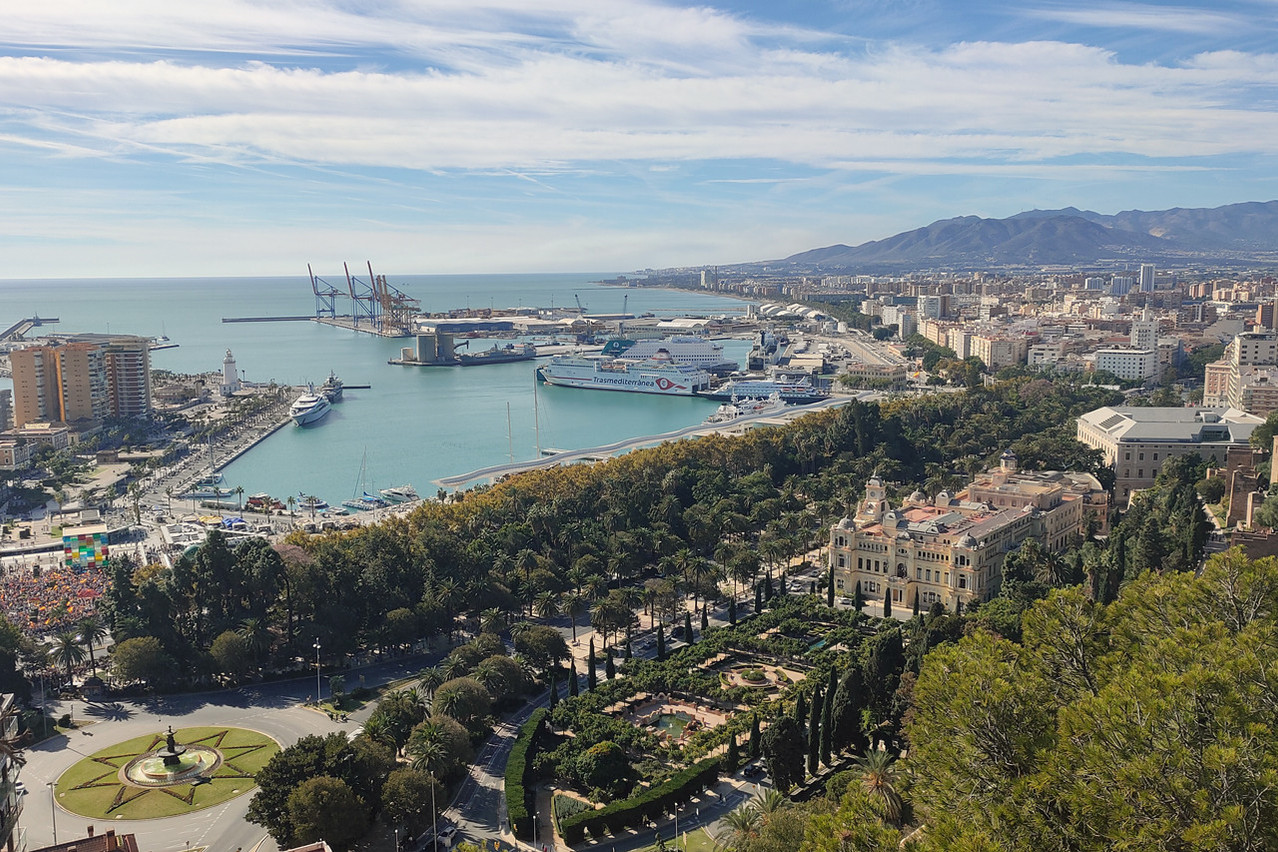
Second stop: Malaga, the pearl of Andalusia, where art converses with Mediterranean light.
Museo Ruso
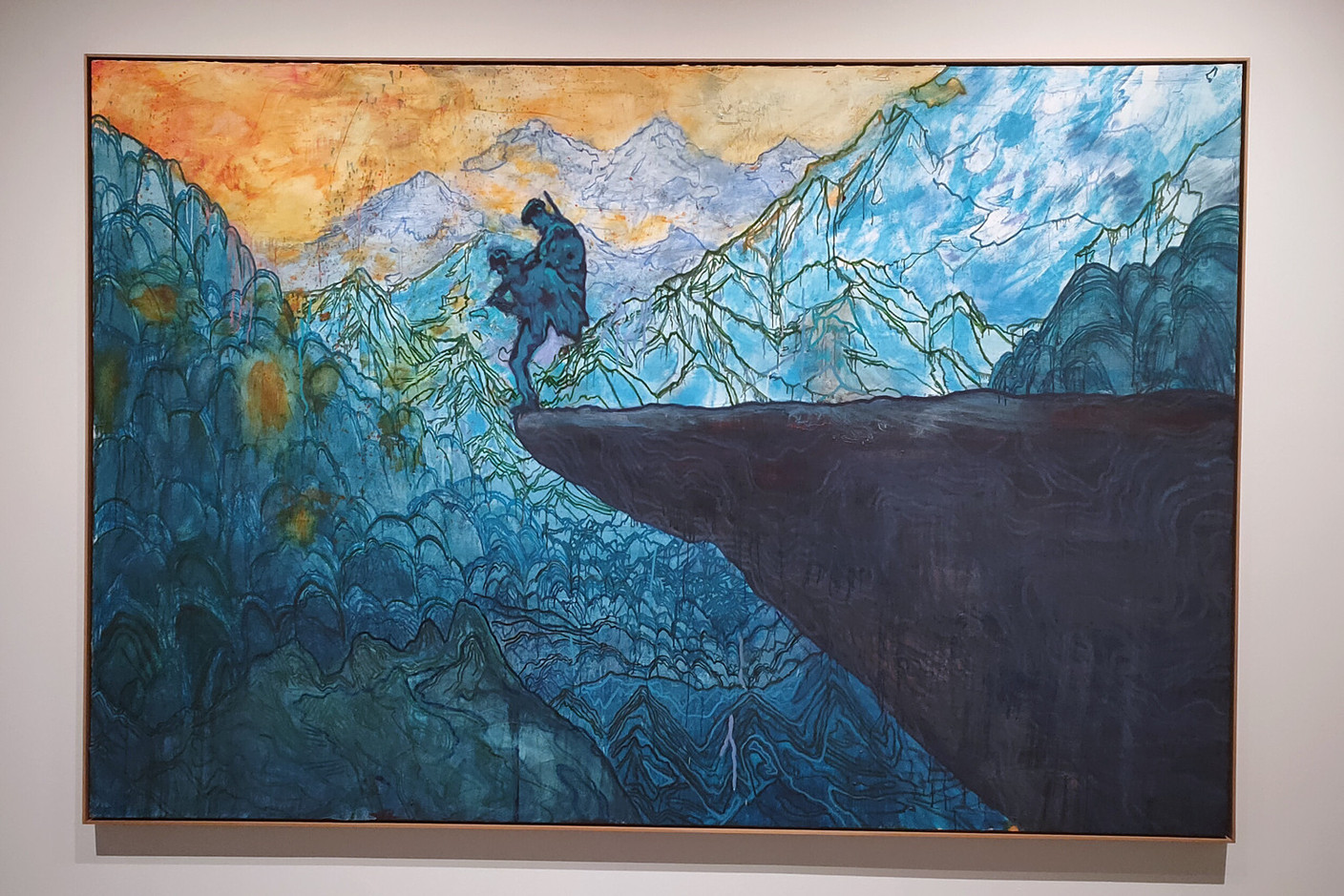
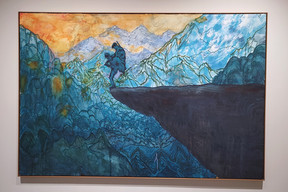
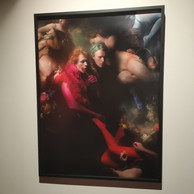
Installed in the former Tabacalera building, slightly outside the centre, Malaga's Russian Museum is well worth a visit. It is undoubtedly one of the most eclectic and inspiring art venues in the city: paintings, drawings, installations, photos... The exhibitions change regularly and offer a rich panorama, between classical and contemporary art.
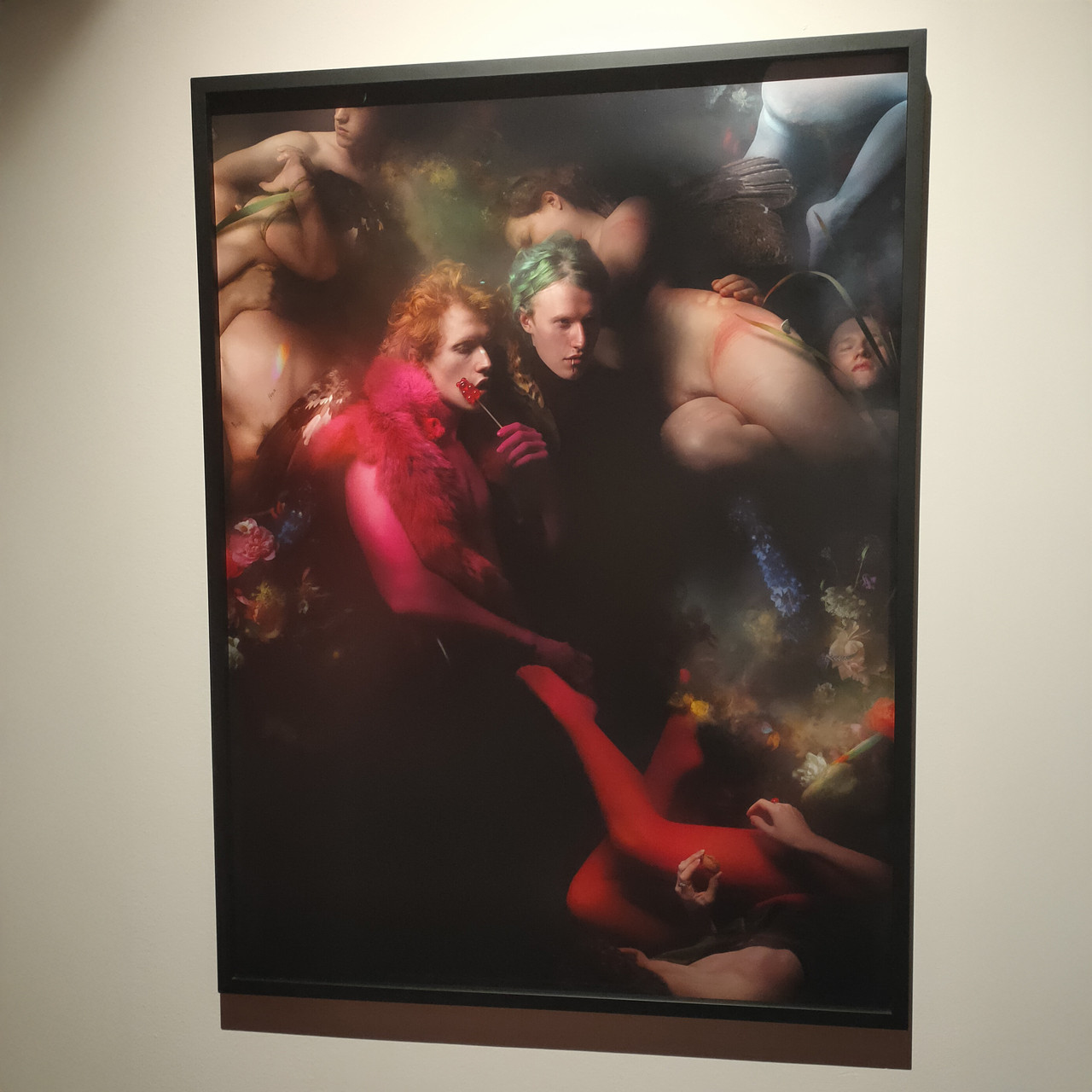
The place also impresses with its space and scenography: large volumes, natural light, flowing paths, you really take the time to look. Alisa Sibirskaya's "Belleza furtiva" exhibition, which recently closed, is a good example of this: striking photos, staged with real sensitivity.
Under the direction of José Luis Lafuente Batanero, the museum is establishing itself as a major cultural hub in Malaga - not to say its best centre for contemporary art - combining artistic rigour and international openness, all in a place where it's good to get lost.
The Alcazaba
Adjacent to Mount Gibralfaro, Malaga's Alcazaba is much more than just a historical vestige: it's a journey through time, between Andalusian ruins, shady patios and breathtaking views over the city and the sea. Built in the 8th century under the Umayyad caliphate, then transformed over the centuries into a palace-fortress by the Taifa and Nasrid dynasties, it long served as the seat of local power.
Its crenellated ramparts, horseshoe arches and hanging gardens recall the splendour of Islamic architecture, while the Roman remains discovered at its foot bear witness to an even more ancient past. Today, the site offers a haven of calm and nature in the heart of the city, where it's great to stroll between the flower-lined alleys, stone lanes and spectacular viewpoints.
A word of advice: take the time to climb to the top; the panoramic views over the Bay of Malaga are well worth the effort.
Malaga Museum
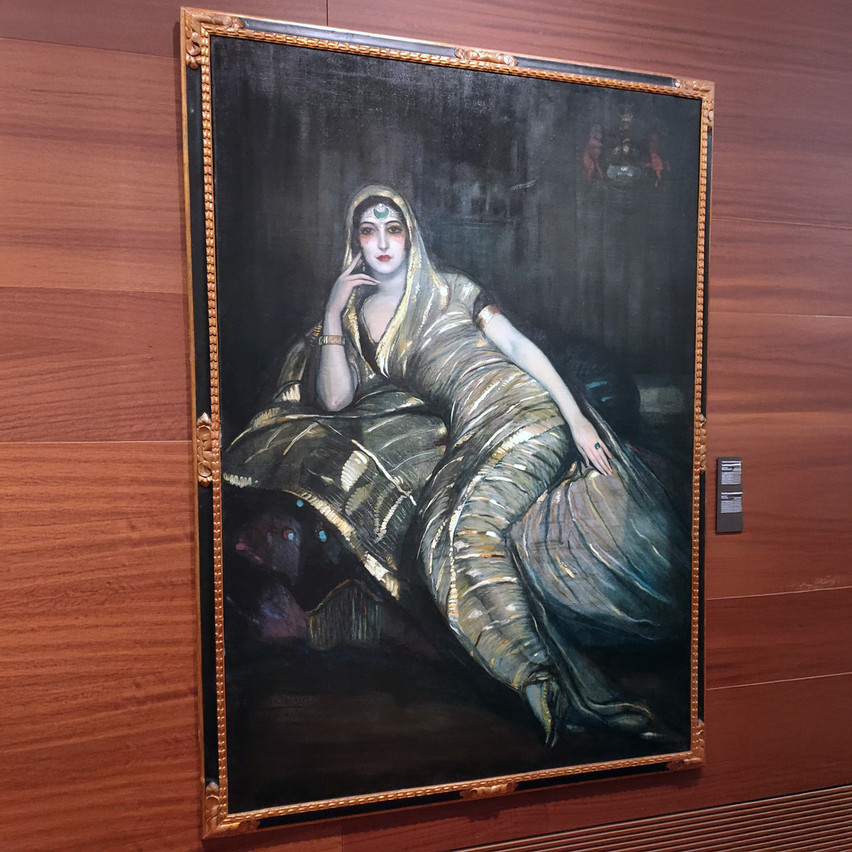
Among the striking works is "The Princess of Kapurthala" (portrait of Anita Delgado). (Photo: Émilio Naud)
Installed in the imposing Palacio de la Aduana, an 18th century neoclassical building inspired by Italian palaces, the Malaga Museum is a must for anyone wanting to understand the city's cultural wealth. It is both the largest museum in Andalusia and the fifth largest in Spain, bringing together the collections of the Museum of Fine Arts and the Provincial Archaeological Museum.
The result? A place that's a bit of a mishmash, but a fascinating one, where we move seamlessly from antique jewellery and ceramics to 19th century paintings by Goya, Sorolla and Zurbarán, before moving on to more modern works that are just as appealing. Among the highlights is "The Princess of Kapurthala", a portrait of Anita Delgado. There is also a restoration workshop visible to the public, archaeological artefacts from recent excavations, and bright galleries that invite you to wander.
The space is vast, the courtyard magnificent, and the atmosphere particularly peaceful. What's more, admission is free for European citizens. A generous and unpretentious museum, where there is something for everyone, and where you'll find yourself staying much longer than expected.
Museo Jorge Rando
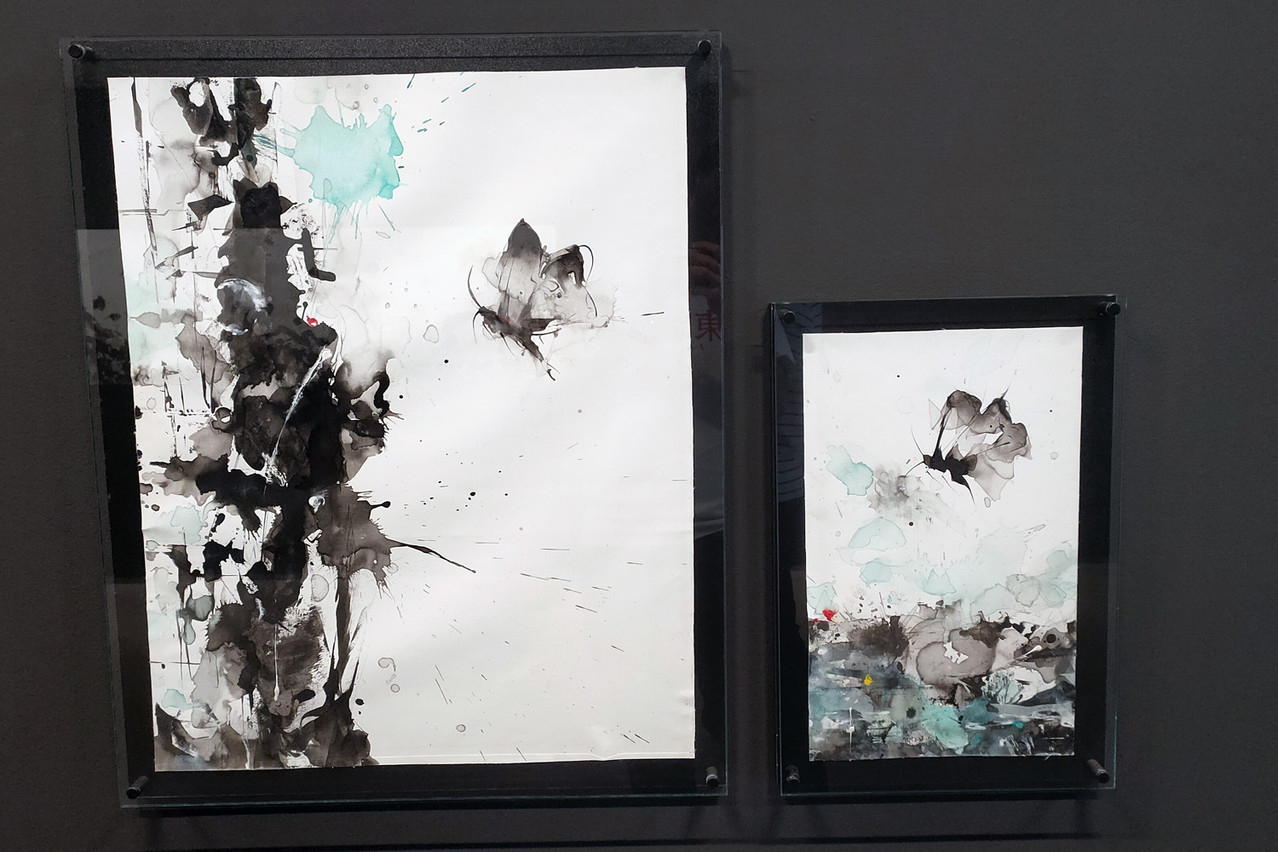
Jorge Rando's "Butterflies" are among the museum's finest series. (Photo: Émilio Naud)
A little off the beaten tourist track, the Museo Jorge Rando is a real hidden gem. Dedicated to the work of the painter from Malaga of the same name, a major figure in neo-expressionism, it is also the only museum in Spain entirely devoted to this artistic movement. Small, free and with a warm welcome, the place captivates with its intimate and sincere atmosphere, where each room seems to dialogue directly with the visitor.
Rando's works, both vibrant and tormented, explore such powerful themes as prostitution, war, faith, nature and Africa. His famous “Mariposas” ("Butterflies") are among the finest series in the museum: explosions of colour, instinctive gestures, luminous flights into depressing worlds that convey the fragility of life and the power of emotion.
Coloured, sometimes sombre, always deeply human, the museum offers a rare artistic experience: one that leaves visitors moved and pensive, carried by the poignant beauty of these butterflies in motion.
Museo del Vidrio y Cristal de Malaga
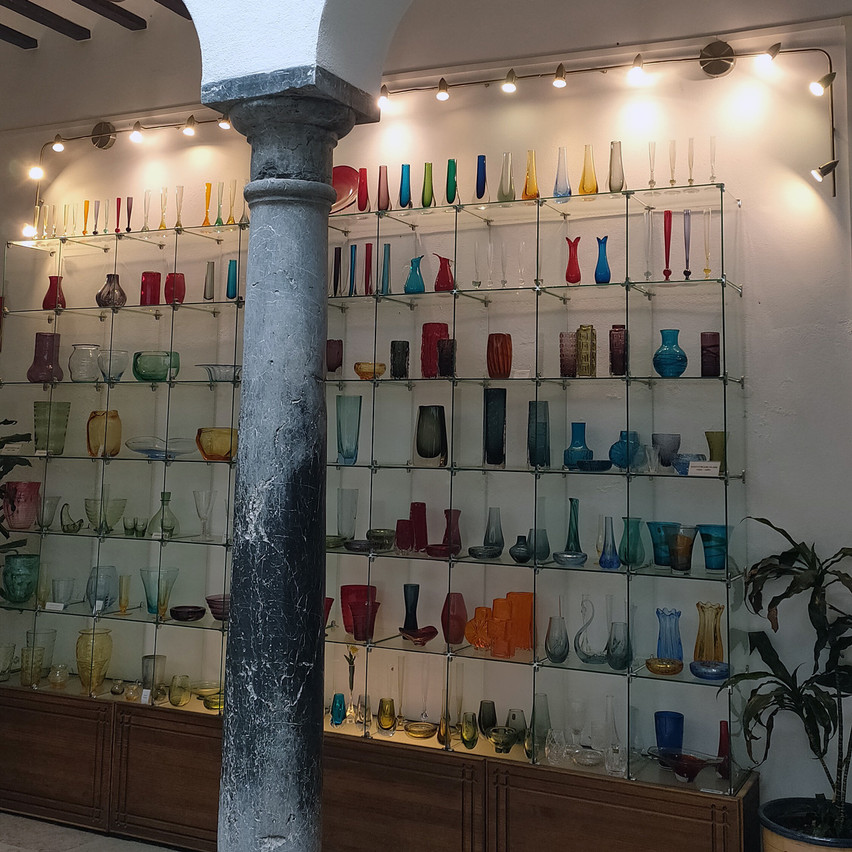
The private museum houses more than 3,000 glass pieces. (Photo: Émilio Naud)
In a beautifully restored 18th century house, the Museo del Vidrio y Cristal de Malaga is an address as unexpected as it is bewitching. Away from the crowds, this private museum houses over 3,000 glass pieces - perfume bottles, stained glass windows, vases, objets d'art and decorative objects - presented in their historical and domestic context, among period furniture and paintings.
Each room tells the story of a different era, from ancient glass to modern creations, in a hushed, light-filled atmosphere. The tour, which is only guided (in four languages), allows visitors to delve into the secrets of glassmaking and discover pieces of exceptional finesse.
Besides the collections, it's also the house itself that captivates: an Andalusian patio bathed in light, ancient staircases, marble floors and a timeless atmosphere. A real jewel in the San Felipe Neri district, as poetic as it is inspiring.
(Next week, see you in Switzerland.)