Paperjam takes you across Europe to discover the most beautiful cities to visit during the festive season. Cultural escapades, emblematic museums, unusual places or charming addresses: embark on a tour of destinations to (re)discover this winter.
First stop: Vienna, imperial capital where art, music and history intertwine at every corner.
Belvedere
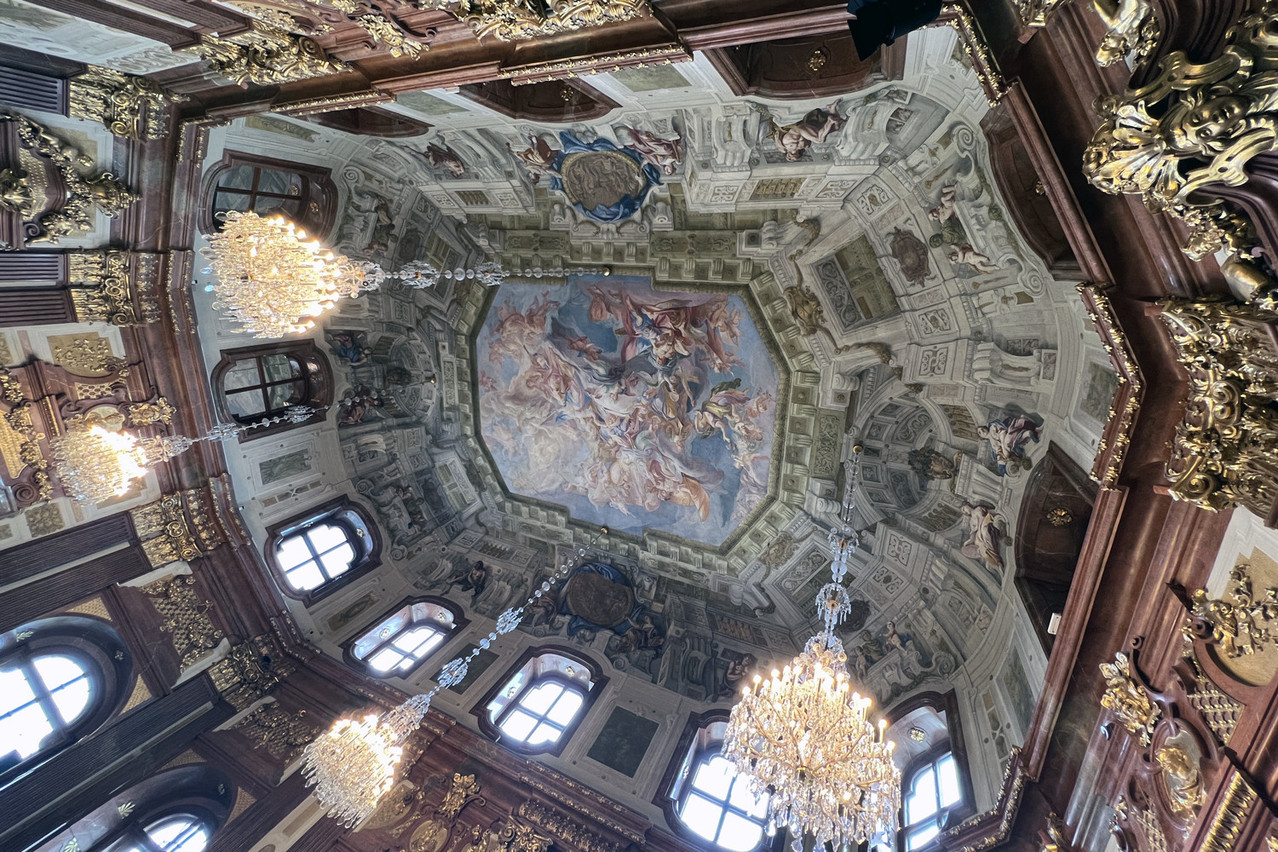
The Belvedere (upper and lower) are probably the most impressive museums in the Austrian capital. (Photo: Emilio Naud)
If there were only one place to capture all of Vienna’s artistic grandeur, it would undoubtedly be the Belvedere, a spectacular Baroque ensemble made up of the Upper and Lower Belvederes, linked by gardens. The two palaces, built for Prince Eugene of Savoy, offer a striking journey between imperial pomp and modern masterpiece.
At the Haut-Belvédère, you come first for Gustav Klimt’s “The Kiss”, but you stay for the trompe-l’oeil ceilings, the painted decor and the unique atmosphere of the great galleries. From Hans Makart to Egon Schiele and Oskar Kokoschka, the collection brilliantly traces the development of Austrian art. The gallery also stands out for the quality of its temporary exhibitions, such as “Radical! Women*Artists and Modernism 1910-1950”, which restores the place of more than sixty women artists from twenty countries, or “In-Sight: Gustav Klimt -The Bride”, focusing on the painter’s last unfinished work.
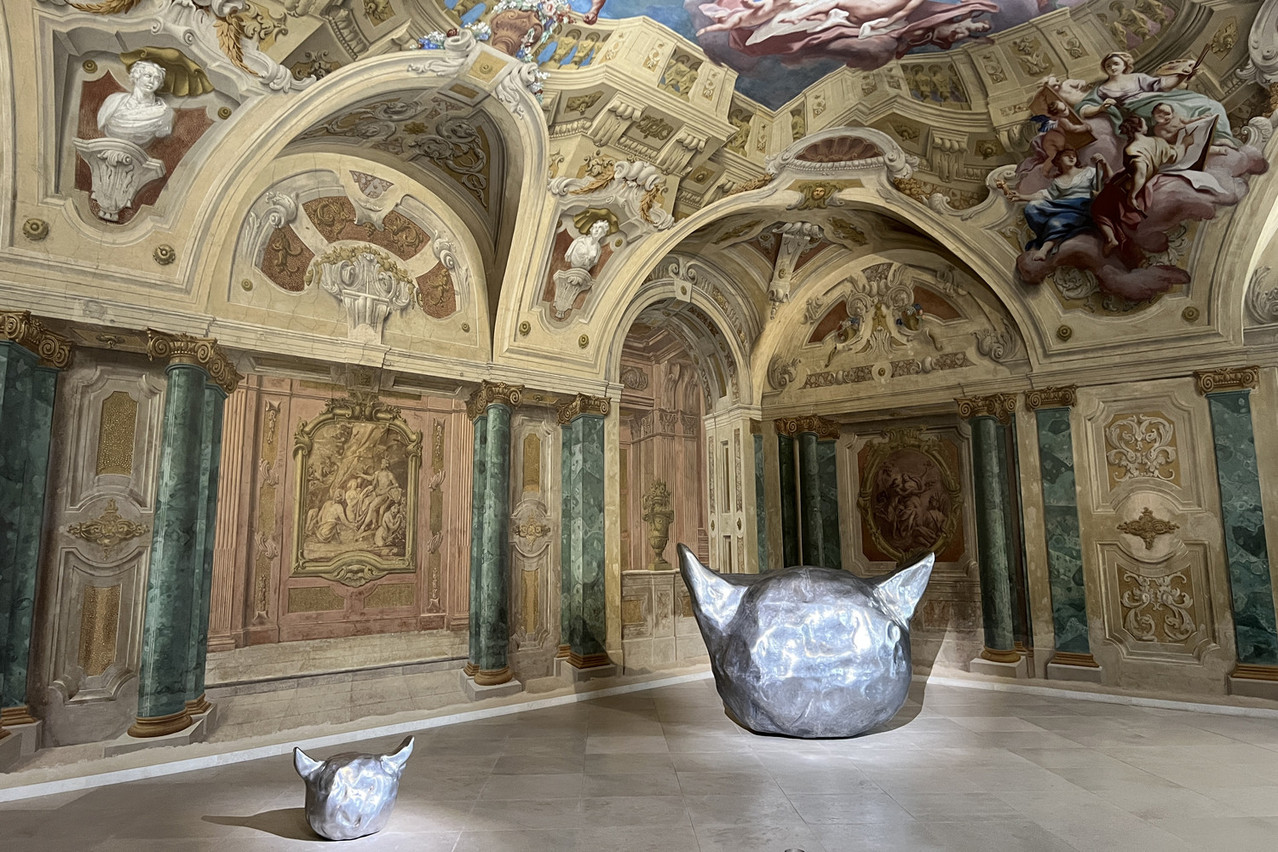
The Bas-Belvédère, often quieter, is just as worth a visit: its painted ceilings, gilded salons and contemporary installations interact harmoniously with the period architecture. A pleasure for the eyes. As for Belvedere 21, dedicated to contemporary art, it will appeal above all to fans of the genre, but if time is short, it’s better to devote your day to the two historic palaces, which are simply unforgettable.
Kunsthistoriches Museum
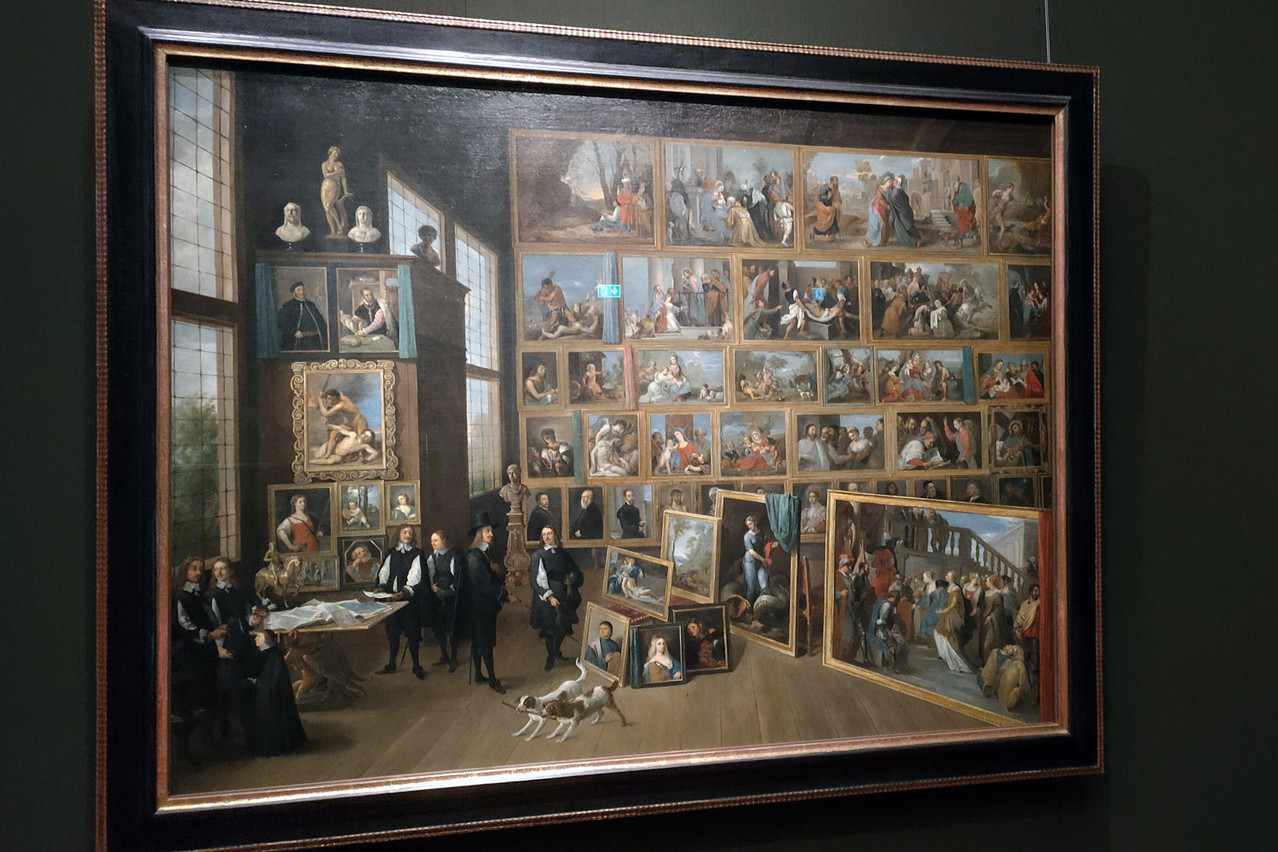
Sublime paintings and numerous artefacts await. (Photo: Emilio Naud)
If there had to be an equivalent of the Louvre in Vienna, it would unquestionably be the Kunsthistorisches Museum. Majestic, symmetrical and crowned by a vertiginous dome, this temple to imperial culture houses art and history treasures in a much quieter setting than the big Paris museums.
The Egyptian and Roman halls display their marvels: sarcophagi, sculptures, mosaics, gold jewellery and everyday objects dating back several millennia. Further on, you’ll discover veritable collection cabinets in carved wood. Alongside them are precious clocks, gold vases and other curiosities from former imperial collections. Each piece tells the story of the Habsburgs’ taste for detail and refined extravagance.
As far as paintings are concerned, the collection is nothing short of masterly. Among the must-sees: “Archduke Leopold-Guillaume in his Gallery in Brussels” by David Teniers the Younger, a tribute to the Habsburgs’ passion for art, or “The Tower of Babel” by Bruegel the Elder, not forgetting the fascinating portraits by Arcimboldo.
And before setting off again, it’s impossible not to look up at the breathtaking dome. The café set up beneath its monumental dome is a must-stop, if only for a photo against one of Vienna’s most beautiful backdrops.
Schönbrunn Palace
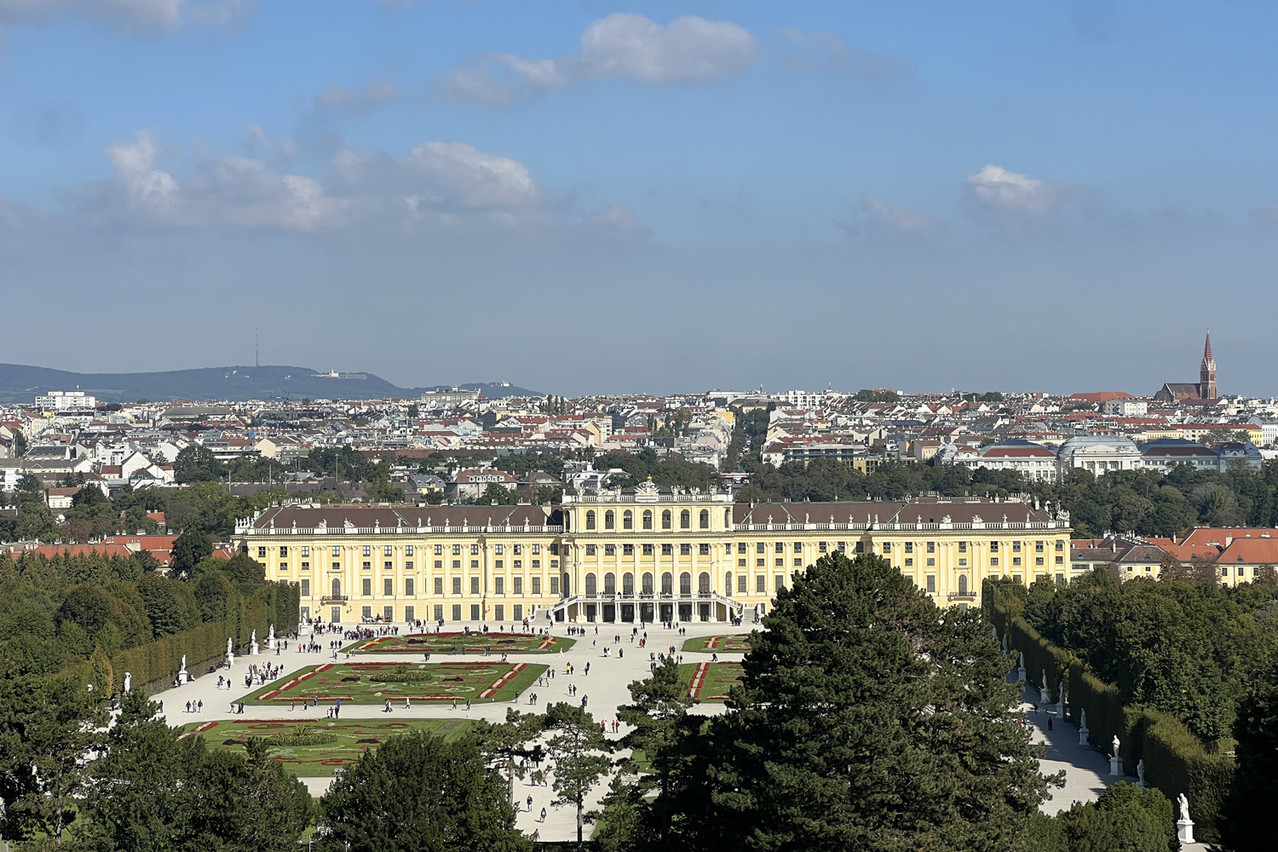
The view from the gazebo is impressive. (Photo: Emilio Naud/Paperjam)
A Unesco World Heritage Site, Schönbrunn Palace is undoubtedly one of Vienna’s jewels. Designed at the end of the 17th century by the Baroque architect Johann Bernhard Fischer von Erlach for Emperor Leopold Ier, the imperial hunting lodge conceived for his son Joseph was gradually transformed into a sumptuous Habsburg summer residence. A Viennese Versailles, only more compact... but no less lavish.
It takes a good half-day to explore the whole of it: the palace and its richly decorated salons, the famous Great Gallery (which rivals the Hall of Mirrors), the formal gardens dotted with fountains, and the climb up to the Gloriette, from where you can enjoy a breathtaking view over the whole of Vienna.
Each room exudes refinement: gilding, mirrors, hangings and polished parquet floors make you want to settle in for good. The only drawback is that there are a multitude of tickets and access formulas, some of which are a little confusing, so it’s best to check your pass before you visit. But whether you come for the history, the architecture or the stroll, Schönbrunn remains an imperial stopover... in every sense of the word. A visit to take your breath away.
KunstHaus Wien
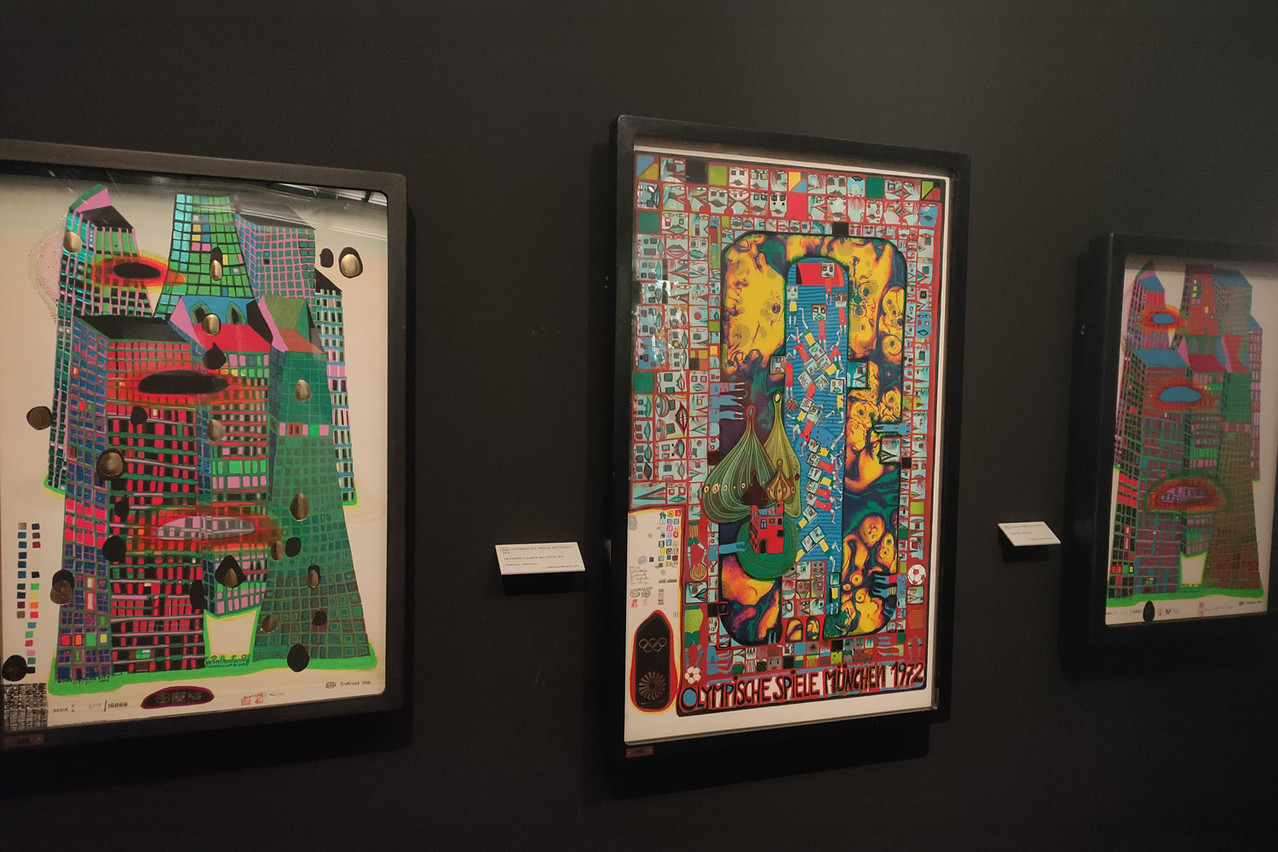
The paintings are whimsical and colourful. (Photo: Emilio Naud/Paperjam)
Imagined by artist Friedensreich Hundertwasser, the Kunst Haus Wien is undoubtedly one of Vienna’s most singular venues. With its undulating facade, irregular floors and trees growing through the walls, nothing here is straight, and that’s precisely what makes it so charming. The place, halfway between gallery and ecological manifesto, is sometimes reminiscent of Gaudí, but with a more whimsical and deeply committed touch.
The rooms are packed with vibrant paintings, colourful installations and poetic reflections on nature, freedom and society. The whole thing exudes good humour, a kind of harmonious chaos where art has fun while conveying an ecological and humanist message. A small temporary exhibition space completes the visit, not a must-see, but always interesting to extend this plunge into Hundertwasser’s exuberant universe.
Albertina Museum
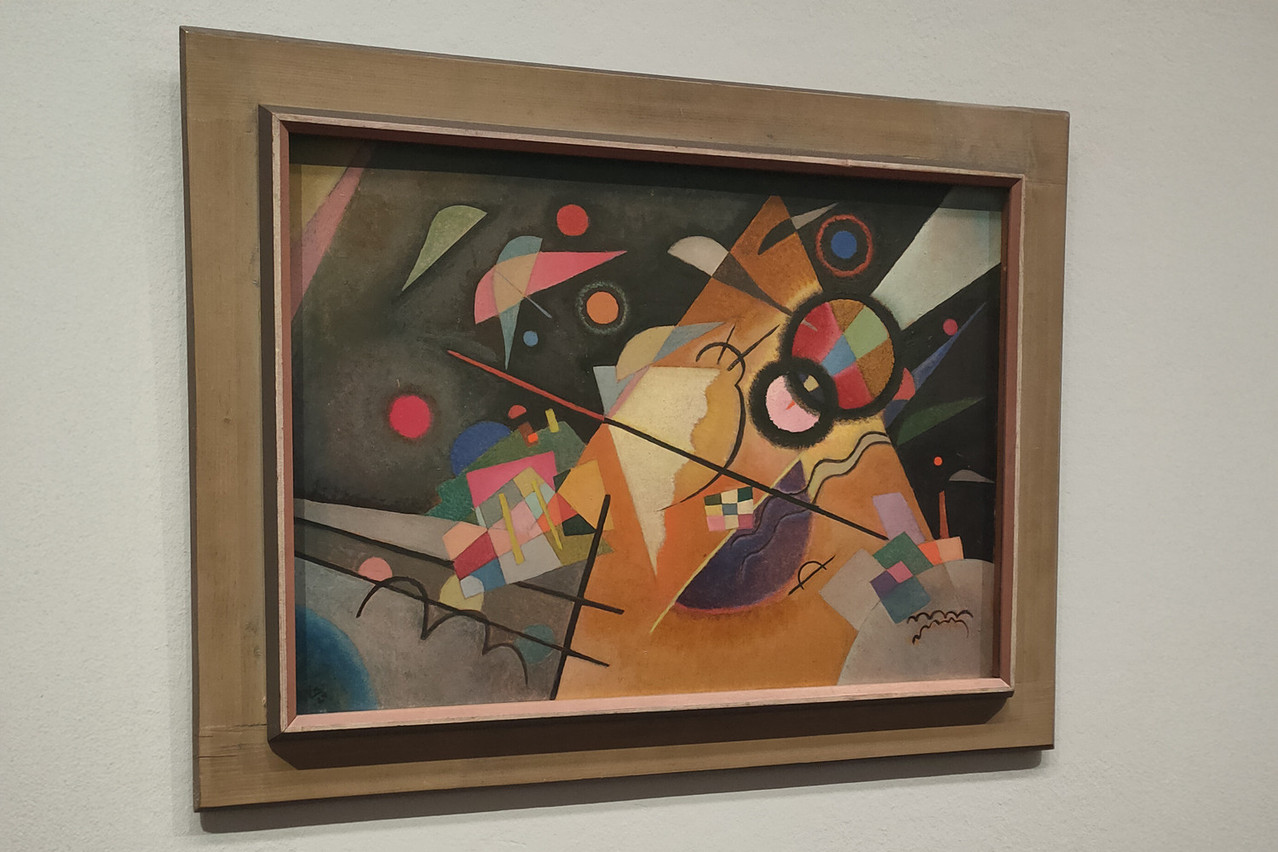
Kandinsky outshines Picasso, a hard truth not all art lovers are ready to hear. (Photo: Emilio Naud/Paperjam)
Behind its elegant façade on Albertinaplatz, the Albertina blends art and history with a rare balance. Formerly the residence of the Habsburg archdukes and archduchesses, the museum is most impressive for its State Rooms, twenty sumptuous salons where chandeliers, marquetry, silks and fireplaces bear witness to imperial splendour. These magnificently restored period flats are undoubtedly the highlight of the visit, a timeless interlude in a setting that is both classical and intimate.
At the entrance, the large equestrian statue sets the tone: majesty and elegance. In terms of exhibitions, the Albertina alternates between tried-and-tested values and more daring proposals. The current “Gothic Modern” exhibition, on view until January 2026, explores the dialogue between modernism and medieval art, confronting paintings by Munch, Beckmann or Kollwitz with the emotional power of the Gothic.
More traditional, the “Monet to Picasso” collection - the famous Batliner Collection - brings together the great names of Impressionism and Expressionism, from Degas to Chagall, via Kandinsky, who alone justifies the visit. Finally, the retrospective devoted to Brigitte Kowanz plays with light and reflections in shimmering installations that are more modern and Instagrammable than earth-shattering.
(Next week, we head for Spain.)