Rebeca Suay: Where did the idea for Gridx come from? What is the concept?
Félix Giorgetti: The Gridx adventure began in 2013, with the acquisition of a plot of land in Wickrange. From the outset, we wanted to create a unique place, based on craftsmanship and experience. A lot of inspiration came from our travels around the world, but especially in Asia, where we saw a lot of digital and immersive experiences, even in retail.
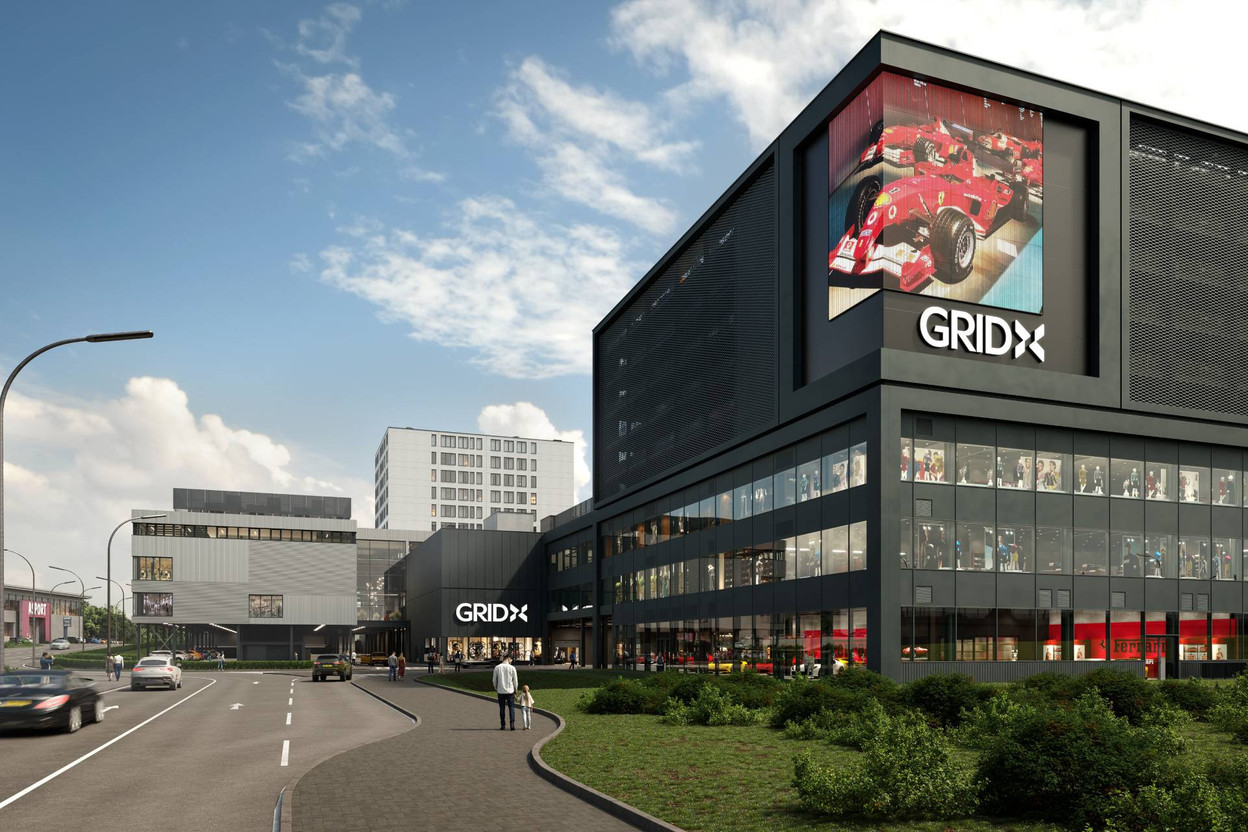
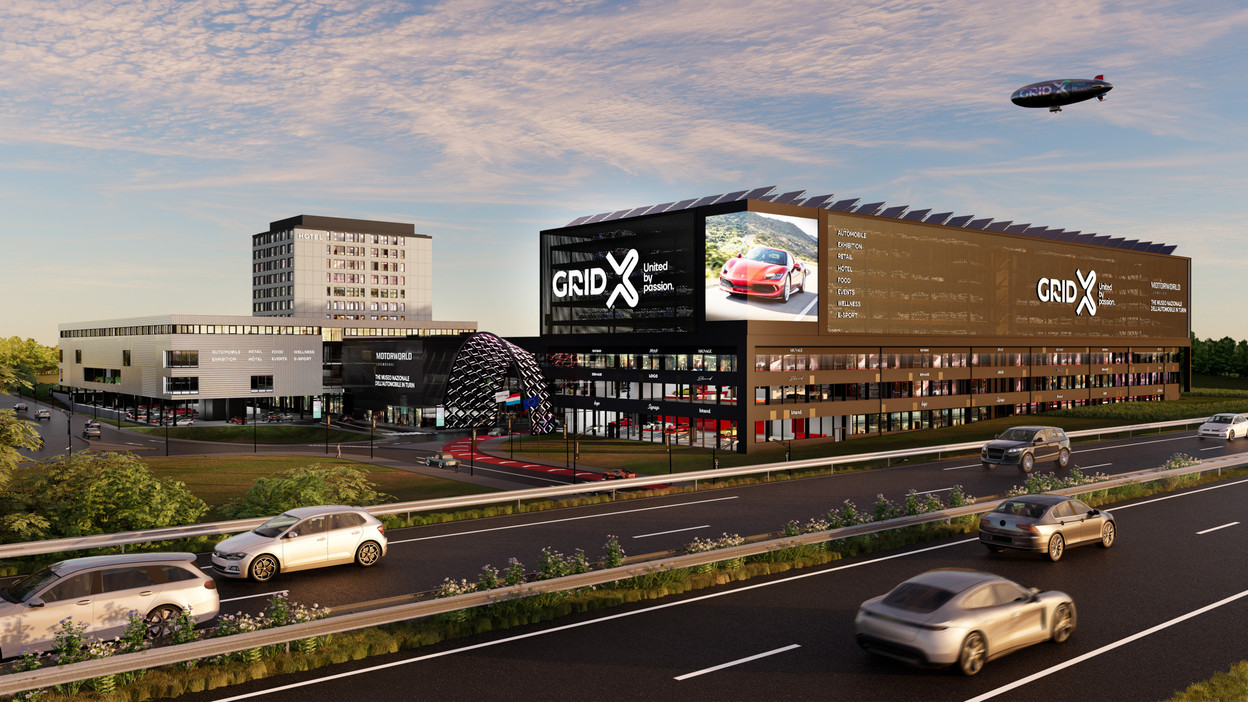
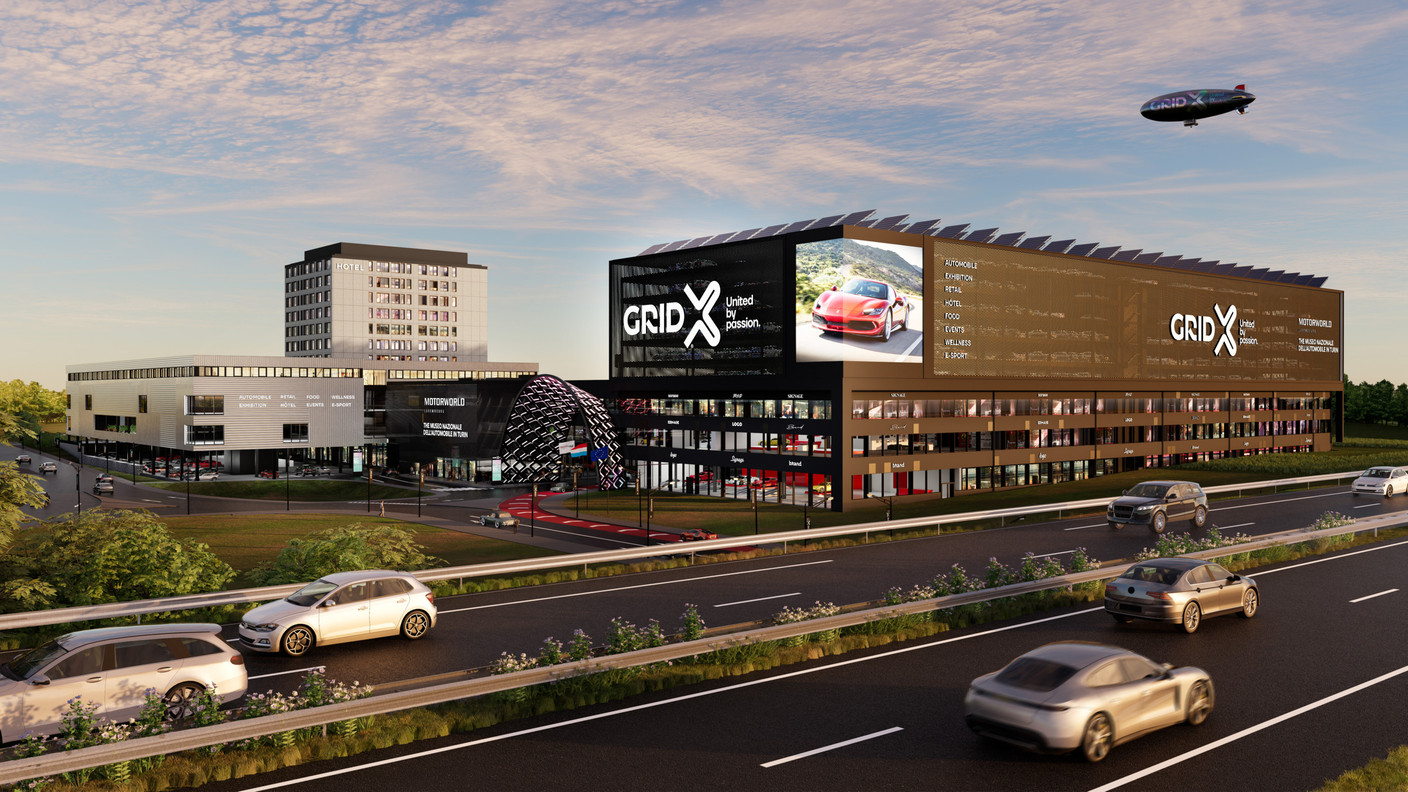
In the beginning, Gridx was purely focused on mobility, inspired in particular by the Motorworld concept. But in 2018, my brother and I said to ourselves: what we are creating is not just about mobility. With the food, the museums, the fashion, the fitness and the hotel, we’ve gone much further. We have extended the project to the concept of “eat, sleep, experience,” all in a spirit of “united by passion.”
What are the main components of Gridx?
Gridx is based on five main pillars: mobility, catering, events, experience and fashion.
The first is mobility in all its forms. Our 360° offering ranges from classic cars to insurance, driving schools, car washes, detailing, mechanical garages and even mechanical training.
Then, there’s food and beverage. A 2,500m2 food hall will house 16 food corners, a bar and a restaurant. There will also be a 600m2 wine shop in partnership with Bernard-Massard and Wengler.
The third pillar is events. More than nine indoor and outdoor spaces, including the 5,000m2 Arena, are designed to host events such as a Christmas market, a farmer’s market, an Oktoberfest, car meets, food truck festivals and concerts.
Then comes the retail/fashion pillar, with over 10,000m2 of retail space.
Finally, the Gridx experience will host two museums: Giolabs, an immersive digital museum, and Galleria 610, a car gallery. For the opening, we have scheduled an exhibition dedicated to Ayrton Senna. A number of services complete the offer: Koru, a well-equipped health club, the Noto hotel with its 133 rooms, a 900m2 business centre and areas dedicated to training, education and team building. In addition, almost 1,500 parking spaces are planned. And alongside the development of the Gridx complex itself, more than 130 homes have been created next door to boost the residential appeal of the area.
This project, it’s crazy.

What sets Gridx apart from other mixed projects?
The idea is to create a grid of synergies. Each part will reinforce the others, and the experience will be coherent and fluid. We have grouped together completely different activities in a place that will create cohesion between all the brands and brands present. A hotel guest can take advantage of the business centre; companies have access to the event rooms; visitors can move from fashion to restaurants or discover exhibitions in one of the two museums. Everything is designed to interconnect.
What is the current status of the Gridx project?
The project will open in four phases. The first, in July, concerns the hotel business, events and access to the mobility centre by appointment. The second phase will take place in September, with the opening of the food hall, Engelhorn Sport and the arrival of new partners. The École d’hôtellerie et de tourisme du Luxembourg (EHTL), which is moving to the site, will also be back in session. The last quarter will see the opening of the two museums and the health club. Finally, the opening of the fashion pillar is scheduled for spring 2026, with the opening of Engelhorn and the last partners.
Today, we are at over 80% of rented space, without the remaining 20% causing us any stress. We’re already comfortable with those we’ve attracted here, and we remain positive about the latest unique experiences we’ll be hosting between now and then.
Did the local authority play a role in the project?
Yes, of course. The local authority was very happy from the outset that we weren’t building just another shopping centre, and supported us from the outset. The country has seen an explosion in retail space, which led us to come up with something different. That’s why, for example, we were thinking about crafts and how to enhance them.
You were still a student when the project began. What was your role?
Yes, exactly. At the time, I was still at university. But I was already involved in the design of the site, in the programme, in the thinking: where do we place each function in the building? How do you integrate a hotel above a car garage? How do you accommodate very large events while maintaining a balance with the offices or the museum? Gridx was the first project I took on from start to finish.
A project of this scale must pose some technical challenges...
The complexity was that until 2021-2022, we still didn’t know exactly what we were going to do. The concept crystallised little by little. What’s difficult is having so many different functions and integrating them intelligently into the same building. Organising an event for 2,000 people without disturbing the office space, for example... This kind of programming and flow management was a real challenge.
Even with the best presentations in the world, it’s very difficult to explain this project. You really have to be on the inside to understand.

The biggest challenge: synchronising all the functions in a single building. We couldn’t build in several phases. Gridx is 75,000m2, 40,000 of which can be used, and that requires extremely rigorous planning. The health and economic crises have also slowed down the startup of projects.
The family dimension of the project is also important. How did the handover between generations take place?
The only driving force behind something so unique is trust. My father and uncle supported us, even when I was talking about a digital or immersive museum in 2018. At first they said, “You’re completely mad!” But they listened. And that’s fundamental: without the confidence of the third generation in the fourth, Gridx would never have seen the light of day.
How many jobs will be created eventually?
Between 200 and 300 jobs will be created just to manage the hotels, events, museums and catering. But in total, with the tenants, more than 1,000 people will be working on the site. And that’s just the beginning. Gridx is also about economic development and tourism. We want it to be a destination in its own right.
The project is also intended to be sustainable. What about energy, transport and car parks?
There will be 88 electric charging points spread across the 1,500 parking spaces. The new motorway exit is being developed, the tram stop is planned and the cycle path will link the Cloche d’Or to Esch. Gridx is happy to take advantage of this. We also have 6,000m2 of solar panels that will generate as much renewable energy as possible to be as self-sufficient as possible.
What lessons have you learned from this experience?
This project has really been an evolutionary process. There was never any question, in 2015-2016, of saying: “Hey, we’re going to build a shopping centre and we’re going to allocate the space to Uniqlo, H&M, Zara….” No, we really wanted to create something different, a concept that doesn’t exist anywhere else in the world. A place where you can stay for two hours or a whole weekend.
What were the biggest challenges?
With this idea of a “grid” and synergies, the concept has gradually crystallised since 2021, culminating in the new brand, Gridx. If you ask us to build a 50,000m2 office building or a residential area with 1,000 homes, it’s easy. Then, of course, it had to be financed. Imagine, in 2020, in the middle of the covid-19 pandemic, explaining to the banks that we wanted to create a place with a hotel, restaurants and other things... They all told us it was totally unrealistic. The project cost between €200m and €300m.
Finally, we’re talking about a real operational challenge: offering an immersive and innovative museum in a country on a human scale, without the tourist flow of a major capital. This represents a tremendous opportunity for creativity. The two museums, the immersive digital one and the one dedicated to cars, were therefore designed from the outset to be extremely adaptable. The idea is to be able to organise workshops, temporary exhibitions, as well as unique experiences: immersive yoga classes, virtual wine tastings in Tuscany, or interactive dives under the sea--all at the click of a button.
Without the trust of the third generation in the fourth, Gridx would never have seen the light of day.

What does Gridx mean to Giorgetti?
It’s all the knowhow of our family business that we’ve managed to acquire over 60 years. We’ve brought everything together: construction, development and now operations. The concept represents the beginning of the third pillar of our group: “Giohospitality,” where we want to go much more towards service.
How do you feel, personally, as this opening approaches?
I’m proud. This project represents ten years of work. There have been doubts and criticisms, but today, with over 80% of the space already let, we’re confident. And we’re convinced that when customers enter Gridx, they’ll really understand what we set out to do: something lively, connected, passionate.
An unusual construction site
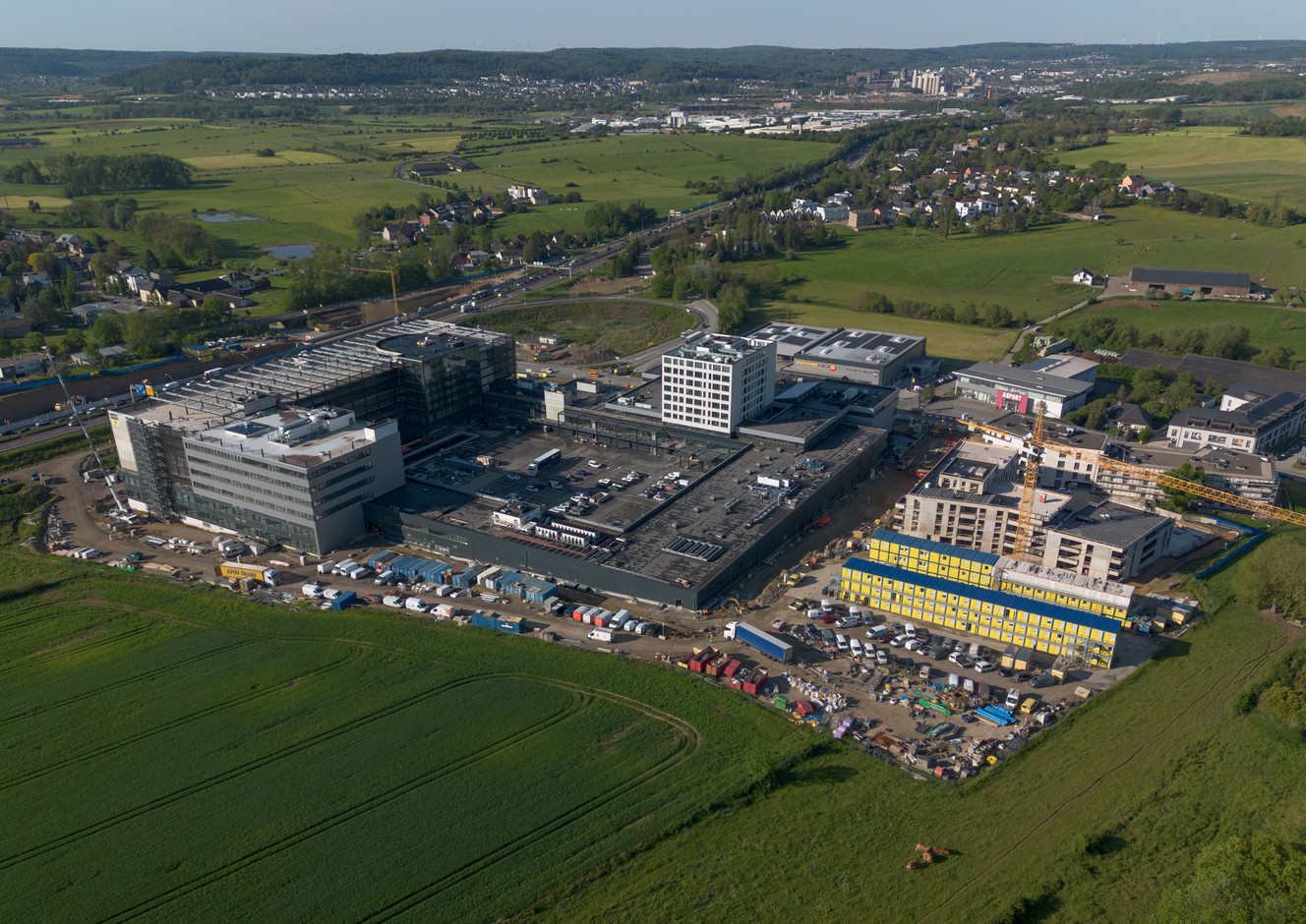
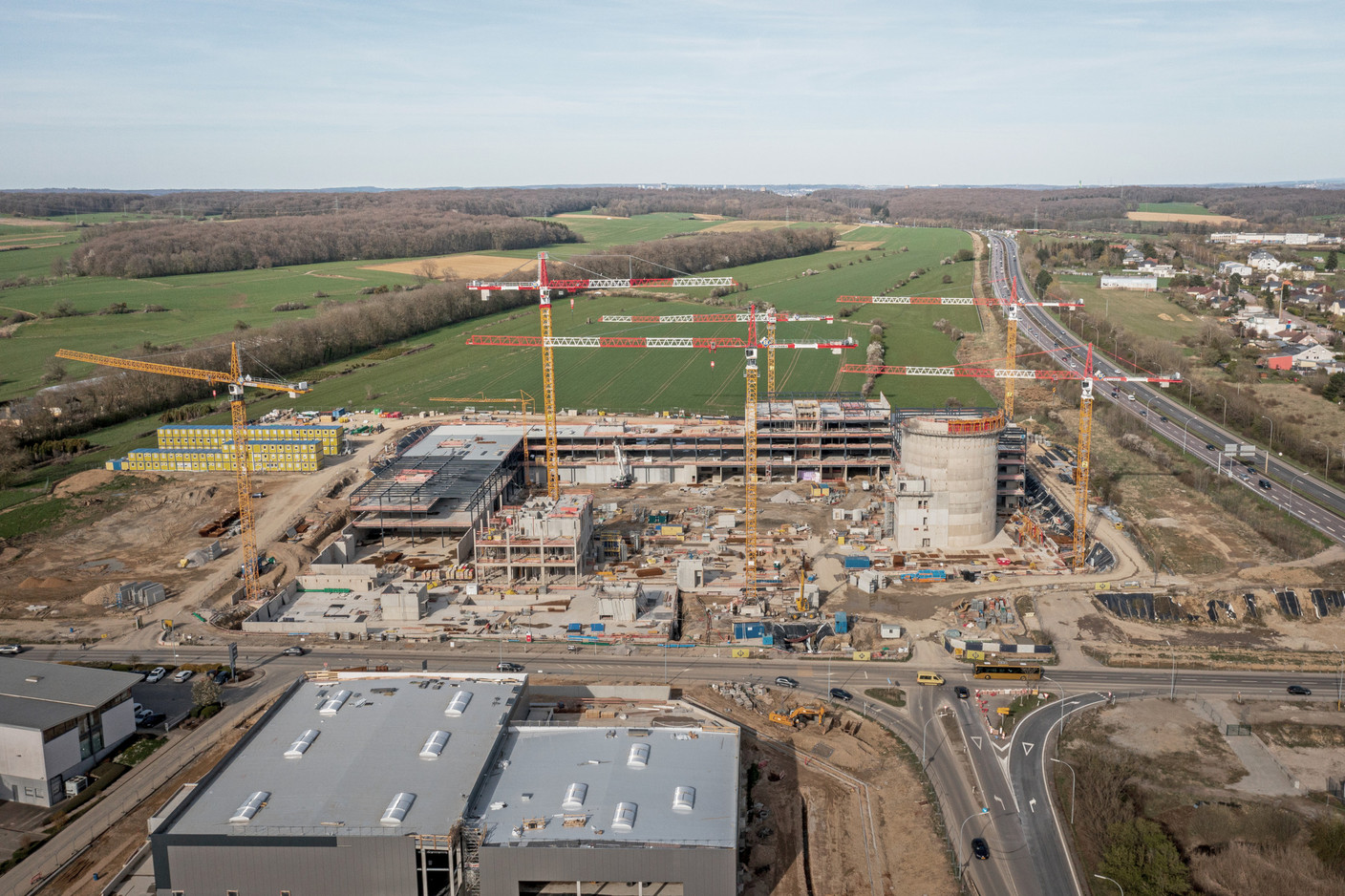
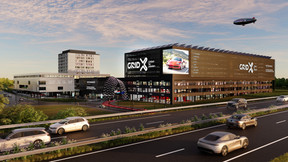
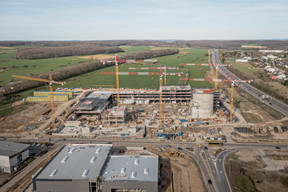
Between a motorway and cow-lined meadows, Gridx has been built against the current. With 75,000m2 of total floor space and 40,000m2 to let, the site stands out as one of the most ambitious projects in the country.
It has a budget of between €200m and €300m, and around 300 workers have been mobilised every day to bring this unprecedented concept to life.
20%
This is the amount of space still available at Gridx. It’s a conscious choice to accommodate unique and different brands.
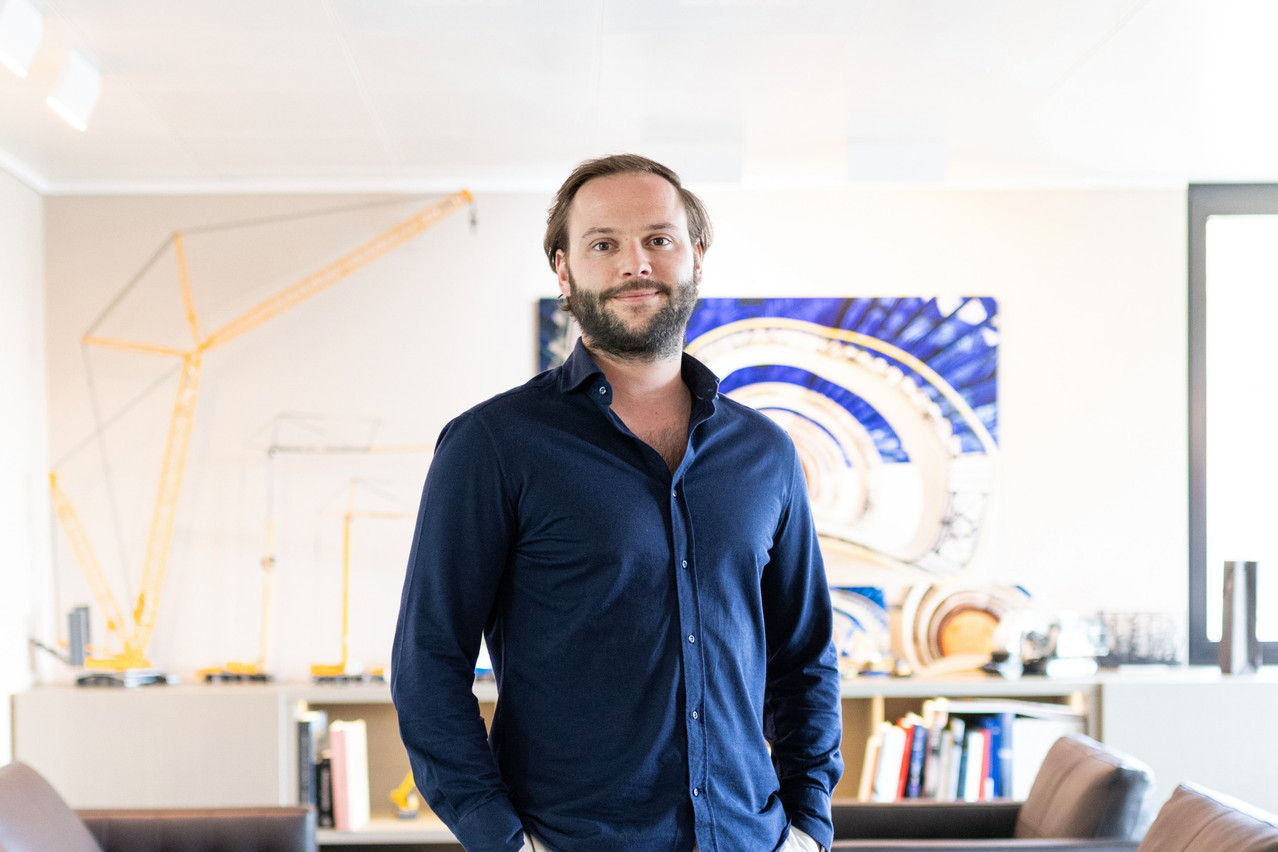
Félix Giorgetti, the next generation on the move
Member of the fourth generation of the Giorgetti family, Félix Giorgetti is now working with his brother, sister and two cousins to develop Gridx, their first major project.
He holds a bachelor’s degree in architecture from the University of Westminster and a master’s degree in real estate investment from Bayes Business School (formerly Cass Business School) in London.
Involved in the project from his student days, he has a clear vision: to create an unprecedented synergy between commerce, crafts and experience.
This article was written in French for the May 2025 issue of Paperjam magazine, published on 24 April. The content is produced exclusively for the magazine. It is published on the site to contribute to the full Paperjam archive. Click on this link to subscribe to the magazine.
Is your company a member of Paperjam Club? You can request a subscription in your name. Let us know via club@paperjam.lu