Why was Managea set up?
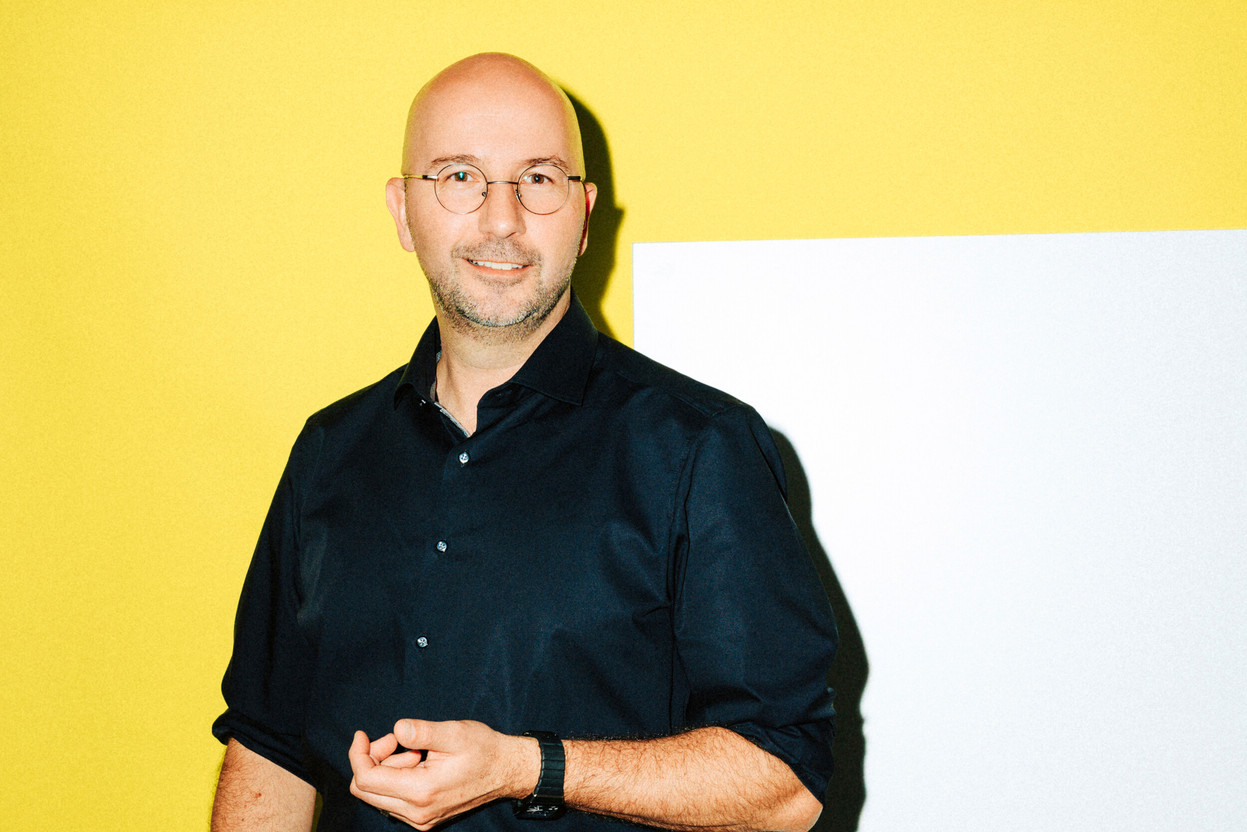
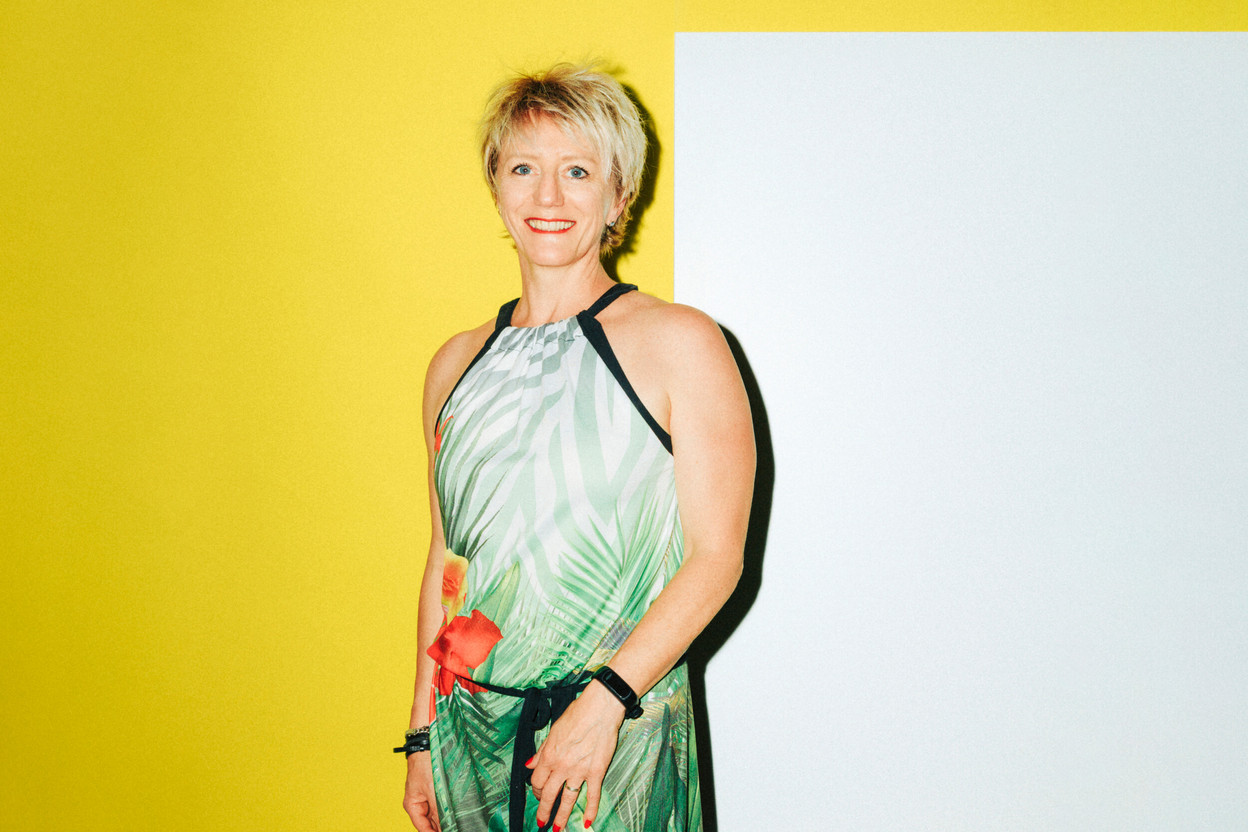
Enrick Exposito. – “My business partner, Louis Delmay, and I both began our careers in large corporate groups. We met in Luxembourg whilst working on a project where, in a sense, we were on opposite sides of the table. We realised that our skills complemented one another. So, in 2022, we decided to combine our expertise to offer support that brings together technical and on-site aspects with all the managerial, administrative and financial elements of a project. That’s how Managea came into being.
How do you find your first clients when you’re setting up an office without a proper network?
“At first, our instinct was to pick up the telephone directory and start making calls. But that isn’t necessarily the most effective approach in our line of work: when you approach business clients directly, they want to see references, and when you’ve only just set up your company, you don’t have any yet.
So we started out differently, using our network and very small projects. These might have involved an estate agent or even a hairdresser who needed to refurbish their salon. These micro-projects enabled us to start building up our track record and, gradually, to move towards a larger professional client base.
There are much larger project management firms, but they are not always best suited to working on small projects. That is precisely where we found our first niche.

However, the start didn’t go quite as planned…
“We were due to start with a major project that was meant to really get the company off the ground. But in January 2023, the client pulled out at the last minute. We’d left our respective jobs and found ourselves without a project, with very few contacts and very few resources. We had to fund the office space, travel and all our business development work ourselves. But we had a vision: to provide a high-quality service to our clients. That’s what kept us going despite that difficult start.
What role do small projects still play at Managea?
“They remain very important. There are much larger project management firms, but they are not always best placed to work on small projects. That is precisely where we found our first niche.
Today, we are able to manage projects ranging from a single house to developments comprising several dozen units. We want to retain this ability to be a bit of a ‘Swiss Army knife’. Medium-sized or large-scale projects, particularly those with developers, give us longer-term visibility. Smaller projects are generally shorter in duration and can be more profitable, even though they also require a great deal of energy.
In practical terms, what is your role on a property development project?
“Our first task is often to put together the project management team: finding an architect if one has not yet been appointed, a structural engineer, a health and safety coordinator and any other necessary stakeholders. We then oversee the whole process. We don’t want to be merely someone who ticks boxes on a spreadsheet. We also provide the technical expertise needed to steer the project and the various stakeholders towards the expected outcome. It is this combination of technical expertise and management that we wanted to place at the heart of Managea.
What does having a small team allow you to do that your larger competitors find more difficult?
“We’re much more agile. Compared to competitors who may have 20, 50 or 100 staff, our decision-making process is extremely streamlined. There’s a direct line of communication between the project manager and the two partners. If we need to take action, we don’t have to organise a meeting and then wait two weeks before making a decision. We can discuss it straight away and act on it straight away. In fact, our strategic decisions are often made in the evening, once everyone has gone home. My partner and I test things out, run the numbers and work out which direction to take.
Does this small size also have its limitations?
“Yes. On certain very large projects, we can be ruled out quite quickly simply because a small team seems too small to manage a large-scale operation. We must also avoid becoming dependent on a single major client. Relying on a single client would pose a significant risk to an organisation like ours.
Success is not measured by the size of one’s bank balance or the number of projects. It is measured by customer satisfaction.

We therefore want to gradually increase our operational capacity, whilst continuing to take on smaller projects. These projects are also useful for training new staff: they can gain experience on them before moving on to more complex operations.
How has the company fared financially since that difficult start?
“The first year was obviously a difficult one. For the first few months, we didn’t pay ourselves anything. From August onwards, we started paying ourselves. It wasn’t much, but psychologically, it meant that the business was finally starting to generate revenue.
We then gradually returned to a more normal way of operating. 2024 was profitable, and 2025 even more so. We also began recruiting: our first employee in 2024, followed by a second in 2025. It’s been a step-by-step process. Our aim is to build up our skills and operational capacity without losing sight of what has enabled us to grow.
What does success mean to you?
“Customer satisfaction. That’s the priority. Success isn’t measured by the bank balance or the number of projects. It’s measured by customer satisfaction. And when a problem arises, our role is first to identify the source of the error, then to work alongside the client to find a solution. Even as Managea grows, there is one thing I would never want to lose: keeping our feet on the ground.”
This article was written for the October 2026 issue of Paperjam magazine, published on 16 September. The content is produced exclusively for the magazine. It is published on the site to contribute to Paperjam’s comprehensive archive. Click on this link to subscribe to the magazine.
Is your company a member of the Paperjam Club? You can apply for a subscription in your name. Please let us know via club@paperjam.lu.