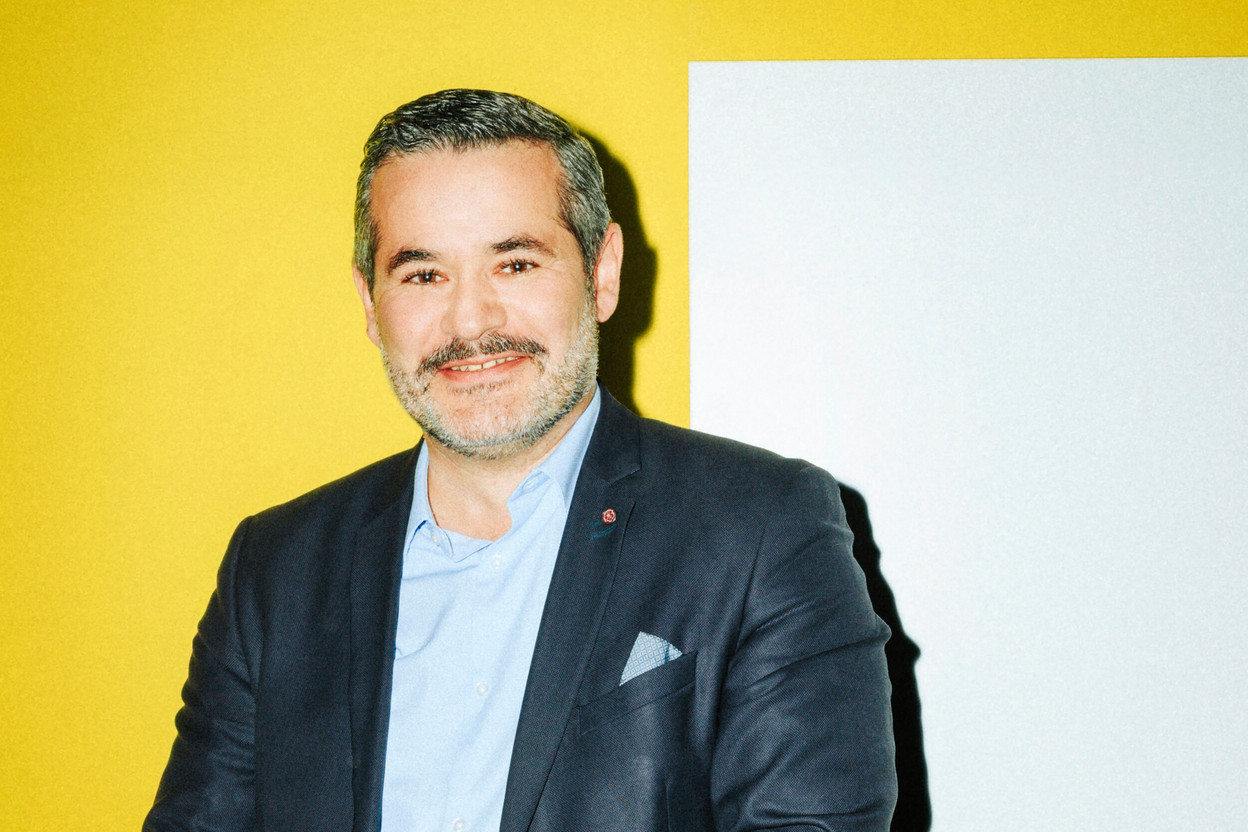
When you arrived in Luxembourg in 2003, you were still far from imagining that you would one day set up your own practice?
Daniel Labriola. – “Absolutely. When I arrived in Luxembourg, my first job was as a till operator at Auchan Kirchberg. I didn’t yet have the background I have today in accountancy and consultancy. Then an opportunity arose in the accountancy sector. I seized it, and that’s really when my career took shape.
So you’ve decided to go back to university whilst working?
“Yes. I went back to studying whilst working. I was working full-time and studying part-time to get my bachelor’s degree. It obviously required a lot of personal commitment, but I wanted to progress and build something for myself. I knew that my education and experience would enable me to advance in this profession.
Until you become a manager at BDO?
“Yes. I gradually worked my way up in the sector until I joined BDO, where I became a manager. That experience was very important because it allowed me to work on a variety of projects, gain real expertise and also understand how a large organisation operates. But over time, the idea of starting my own business began to take hold.
Why did you wait before getting started?
“I think I needed to wait for the right moment. Starting a business involves taking risks, and I wanted to have enough experience before taking the plunge. As I approached my forties, I asked myself what I wanted to do next in my career. I’d gained experience, I knew my trade, and I wanted to build something of my own. I told myself that if I wanted to embark on an entrepreneurial adventure, now was the time.
You set up D&L Consulting in 2024. What was the original plan?
“The idea was to offer local support to businesses and entrepreneurs. I didn’t want to limit myself to just the technical or accounting side of things. When you’re supporting an SME or an entrepreneur, the issues are often much broader. They obviously relate to the company’s accounts, but also to the director’s remuneration, their assets, their plans and even their retirement preparations. It was this holistic approach that interested me.
Did the organisation then evolve into an accountancy firm?
“Yes. D&L Consulting was founded in 2024 and the business evolved in 2025 when it became an accountancy firm. This enables us to offer a more comprehensive service and meet the long-term needs of businesses. Accountancy remains, of course, a key component, but my ambition is to go beyond the figures.
In fact, how would you describe your role when working with an entrepreneur?
“I like the idea of being by their side. An entrepreneur is constantly making decisions. Some relate directly to their business, others to their personal circumstances. Very often, the two are linked. Our role is therefore also to help them plan ahead. How should they structure their remuneration? How should they organise their business? How should they prepare for an investment? How can they gradually build up their wealth or plan for retirement? I want to be able to provide this holistic perspective.
Is it the personal touch that sets a small practice apart from a large firm?
“Proximity inevitably plays an important role. In a small firm, the relationship with the client is very direct. We know their business, their background, their plans and sometimes even the challenges they’re facing. This knowledge enables us to provide more tailored advice. Clients don’t just come in to submit their documents once a year. The idea is to build a relationship over time.
Has your own experience as an entrepreneur changed the way you advise your clients?
“Yes, of course. When you’re an employee, even if you work with businesses on a daily basis, you don’t face exactly the same challenges as their managers.
When you become an entrepreneur yourself, you gain a real-world understanding of the decisions, investments, costs and uncertainties involved in building a business. It also gives you a better understanding of some of the concerns your customers have.
Does your journey from shop assistant to entrepreneur influence the way you view professional success?
“Above all, I think a career path can change enormously. When I first arrived in Luxembourg and was working as a cashier, I probably wouldn’t have imagined everything that was to follow. An opportunity arose in accountancy, then I went back to study, progressed professionally and eventually set up my own business. There wasn’t necessarily a clearly defined plan from the outset. There were opportunities, hard work and decisions made step by step.
Did going back to university whilst working full-time prepare you for entrepreneurship?
“In a way, yes. It teaches you discipline and organisation. When you run your own business, you also have to accept that your days aren’t limited solely to your core business activities. You have to manage clients, administrative tasks, the company’s growth and all the decisions that come with running a business. This ability to work on several things at once has certainly helped me.
Which entrepreneurs would you most like to support?
“I’m primarily targeting SMEs and entrepreneurs who are looking for this close working relationship. In a small business, the owner doesn’t necessarily have all the skills they need in-house. Their accountant or adviser can therefore become a key point of contact when making decisions. It is this relationship that I want to build with my clients: understanding their business and being able to support them at different stages of its development.
Why is this human aspect so important to you?
“Because behind the figures, there is always a person and a project. A balance sheet or profit and loss account tells part of a company’s story, but not the whole story. You need to understand what the entrepreneur wants to achieve, the constraints they face and their objectives. It is only on that basis that we can truly support them.
Having built your career within large organisations, what does working for yourself offer you now?
“The opportunity to shape my own way of working. I can decide what sort of relationship I want to have with my clients, how I want to develop D&L Consulting, and what services I want to offer. Of course, this freedom comes with greater responsibilities. But that is precisely what I was looking for when I became an entrepreneur.
What are your ambitions for D&L Consulting going forward?
“To continue to grow the firm whilst maintaining this close relationship. I don’t want to lose that direct relationship with business owners. That’s what gives this venture its meaning. The aim is to become a true partner to them, capable of supporting them not only with their accounting obligations, but also with the decisions that will enable them to build and sustain their businesses.”
This article was written for the October 2026 issue of Paperjam magazine, published on 16 September. The content is produced exclusively for the magazine. It is published on the site to contribute to Paperjam’s comprehensive archive. Click on this link to subscribe to the magazine.
Is your company a member of the Paperjam Club? You can apply for a subscription in your own name. Please let us know via club@paperjam.lu.