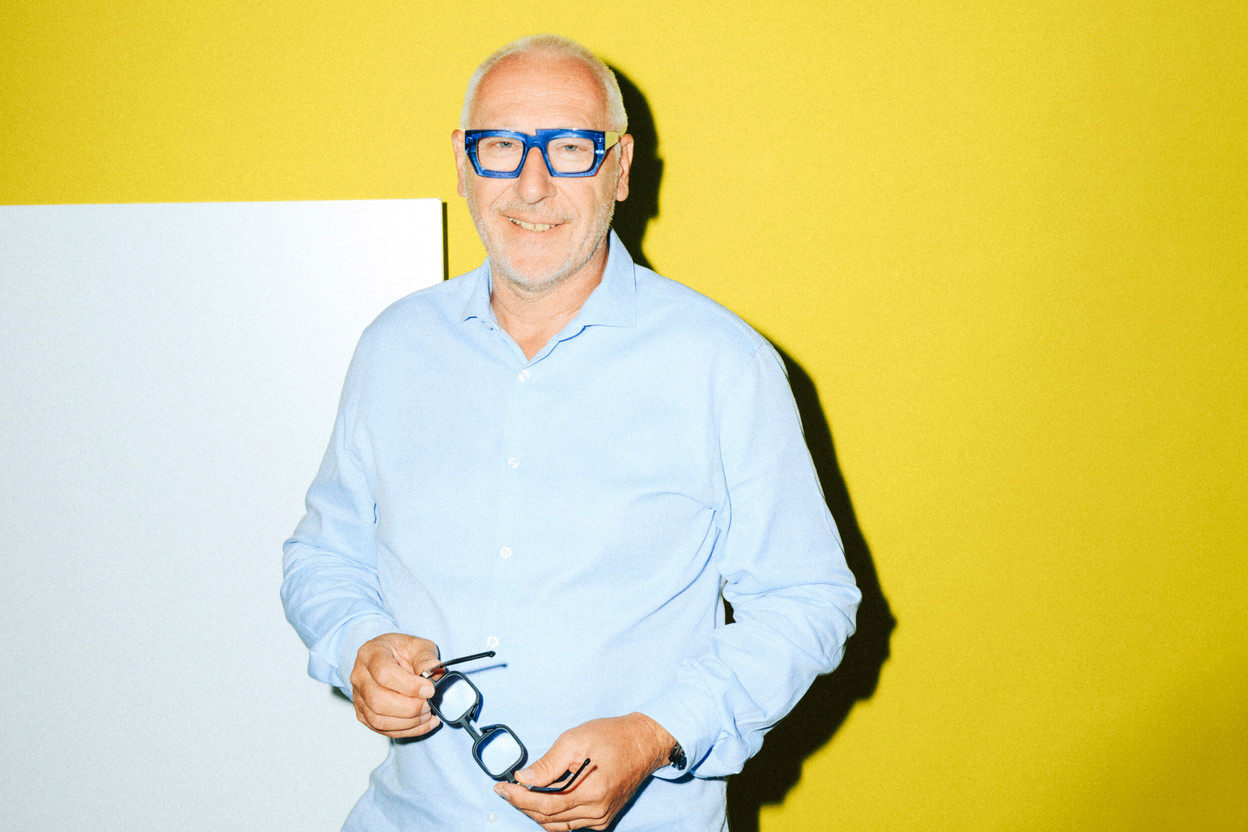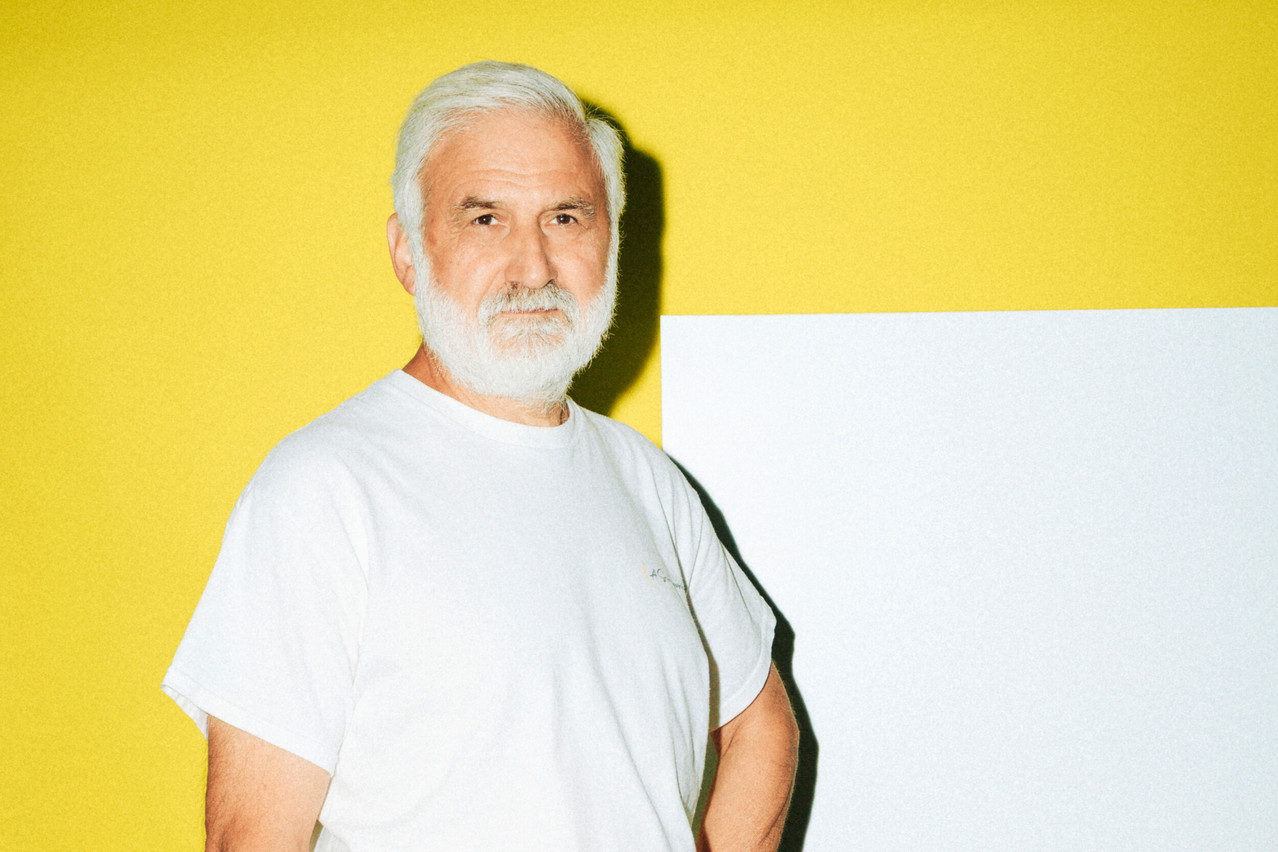
You used to be a farmer, then a business owner in the heating and plumbing sector. Where does your interest in heritage wheat varieties come from?
François Kieffer. – “I started out as a farmer for eight years, then I went back to university and set up a business in the building trade, specialising in heating and plumbing. About fifteen years ago, I started growing heritage wheat varieties in my garden, and I realised they would be lost if no one took care of them.
How did bread come into the picture?
“I only really got into bread-making after I turned 60. When I retired, the company offered me a baking course. I didn’t want to make bread; I preferred to leave that to others. But I realised I had to give it a go after all, because even today’s bakers don’t know how to work with heritage wheat. They don’t use it, because it’s a bit more complicated and costs more.
Before setting up A Schéiwesch in 2021, you spent several years trialling your production. How did you go about it?
“I tried everything out, because I can’t say it works without having tried it. I built a small wood-fired oven in France, near my home, and baked bread for myself for four years. After a year, I sold a little to people who were interested. We made 18 kilos of bread once a week. Selling it helped me develop my skills, because the first loaves weren’t great.
Why create things for others, and not just for yourself?
“I’m not doing this for other people; I’m doing it for the wheat. Ancient wheat varieties have a very long history: humans have been growing wheat for around 8,000 years. If nobody grows them anymore, they’ll be lost. When I realised nobody else was going to do it, I had to step in. I know a lot of farmers, a lot of people, and I can see that nobody else is going to take it on.
I don’t do it for other people; I do it for the money.

Is it difficult to get hold of heirloom wheat varieties?
“It’s difficult, because there aren’t any left. We need to grow more, and that’s a lot of work: you can’t make a loaf of bread with just 10 grams of seed. You need hectares, and to grow them, it takes about seven years if all goes well. What’s more, heritage wheat varieties don’t yield 70 quintals per hectare, but perhaps 20 on average, and the oldest varieties yield 10.
What makes your bread stand out?
“To make good bread, you need three things above all: the grain, the milling process and the use of sourdough. We have a stone mill, which helps to preserve the fats, vitamins and enzymes.
Your team consists of three and a half people, not including you. Your bread is sold at a higher price: is the business profitable?
“I don’t count myself as part of the staff, because I don’t get paid: I just have to look after everything. We sell the bread at a higher price, but it’s still not profitable. But that wasn’t my aim. So far, I’ve only put money into it. What’s more, the bakery is housed in a building that I bought and completely renovated, and which I’m making available free of charge. If I were to factor that in, it would really be a lost cause, because rents are expensive in Luxembourg.”
Is the audience following?
"I don’t know yet whether this will lead to anything. For the time being, I have to say that people don’t really care about bread."
This article was written for the October 2026 issue of Paperjam magazine, published on 16 September. The content is produced exclusively for the magazine. It is published on the site to contribute to Paperjam’s comprehensive archive. Click on this link to subscribe to the magazine.
Is your company a member of the Paperjam Club? You can apply for a subscription in your own name. Please let us know via club@paperjam.lu.