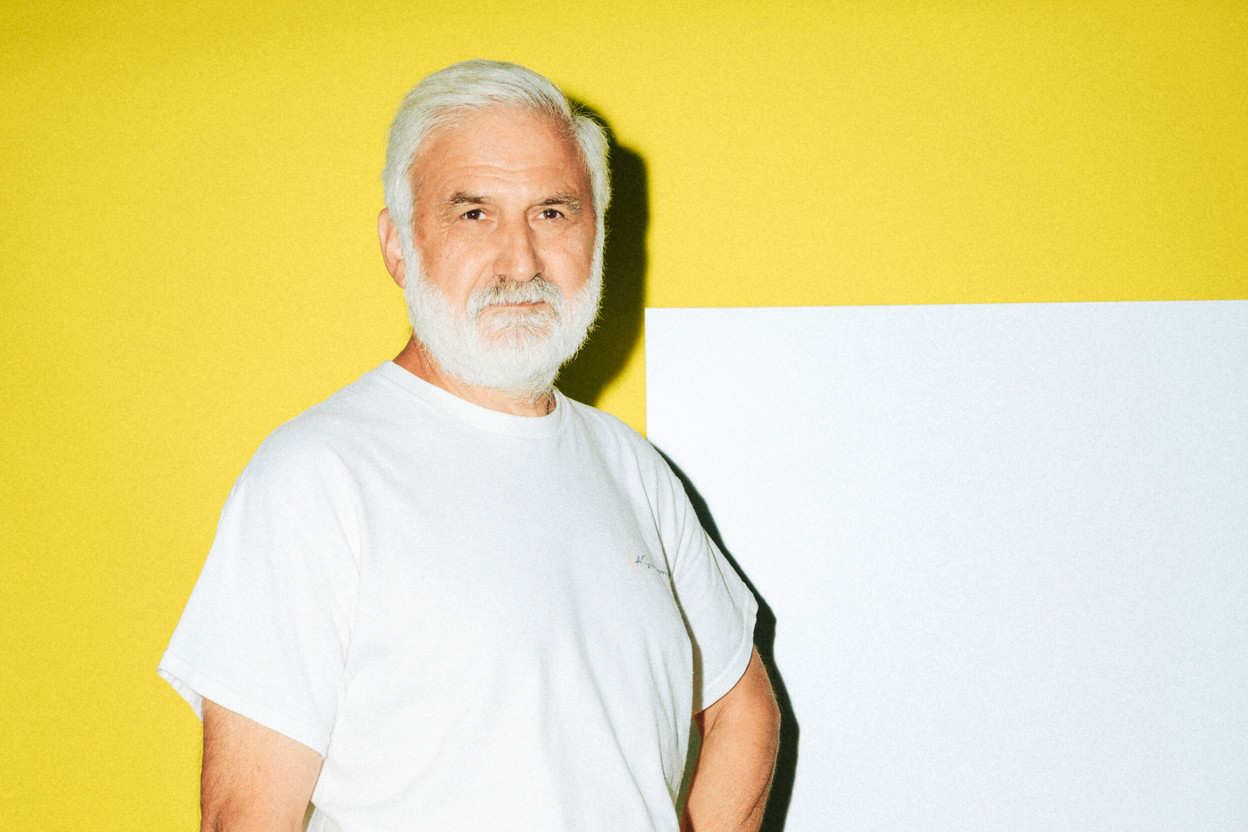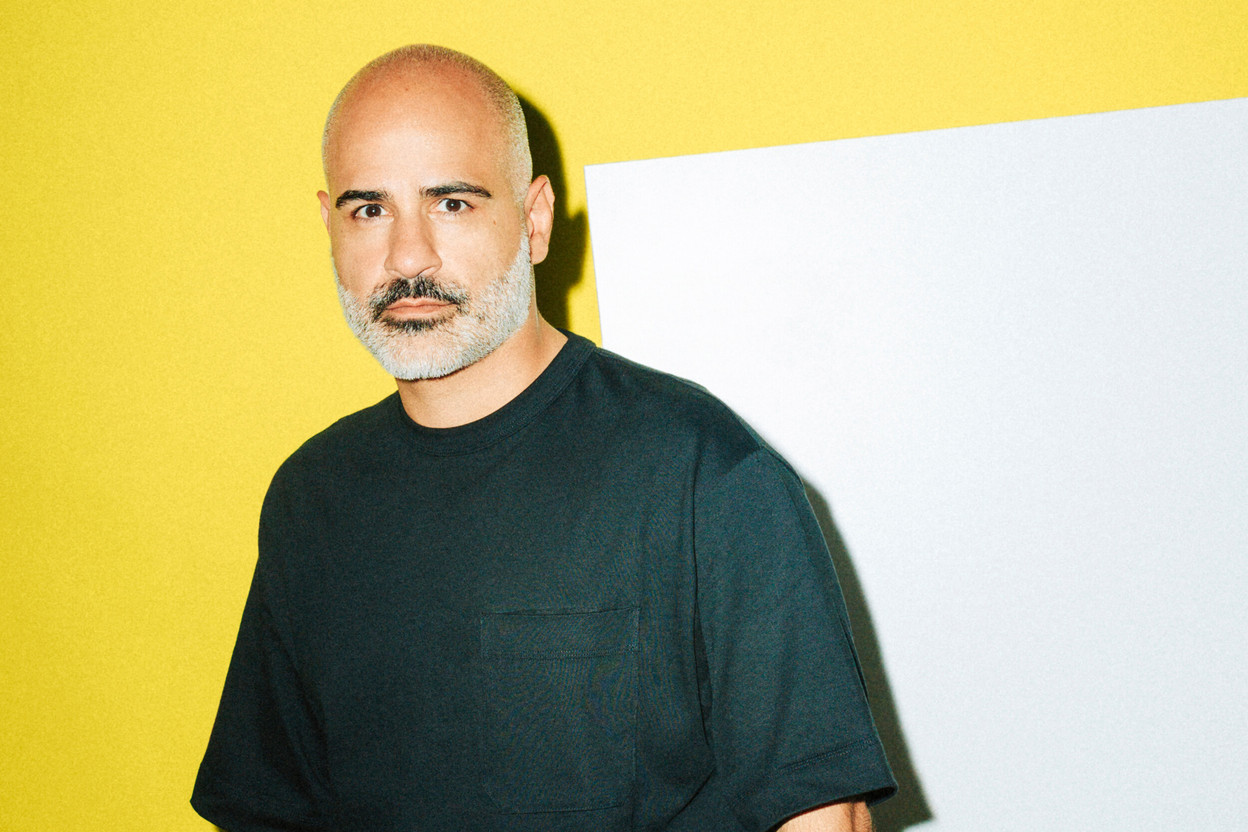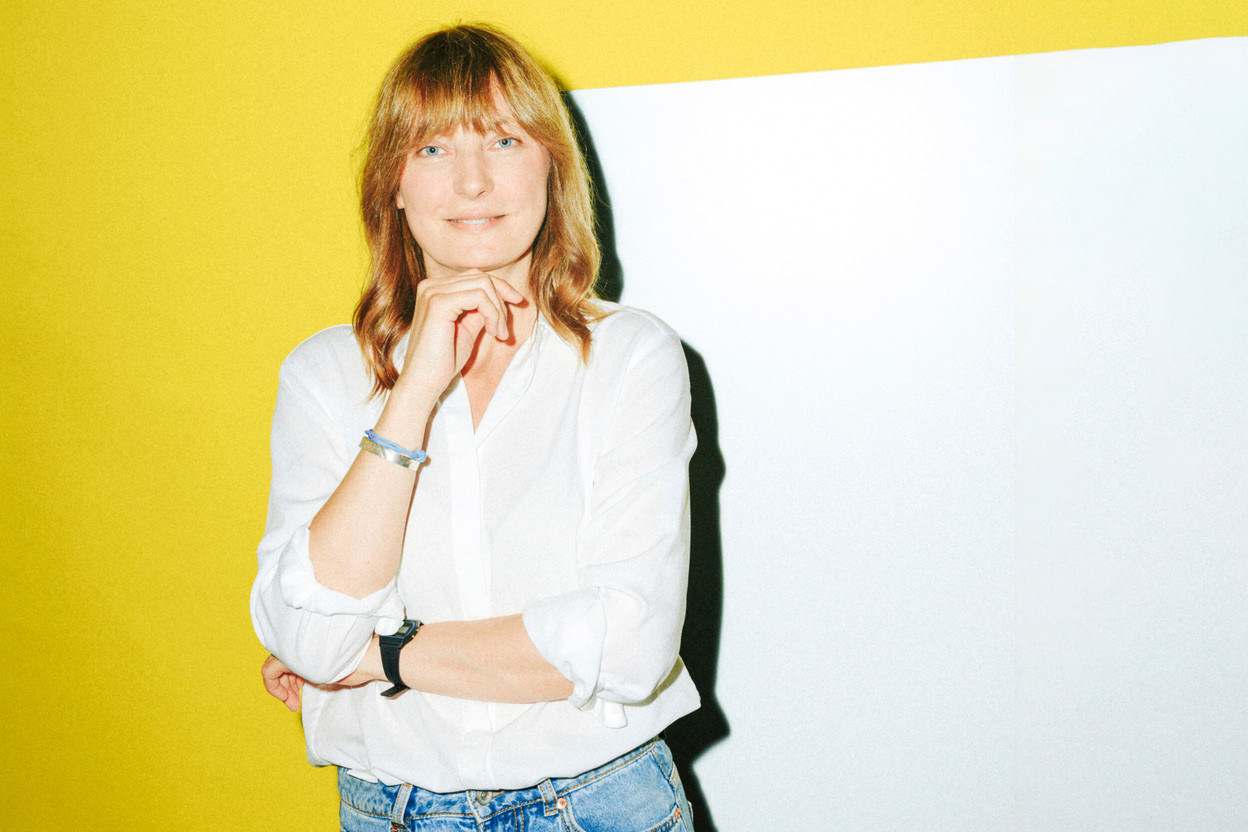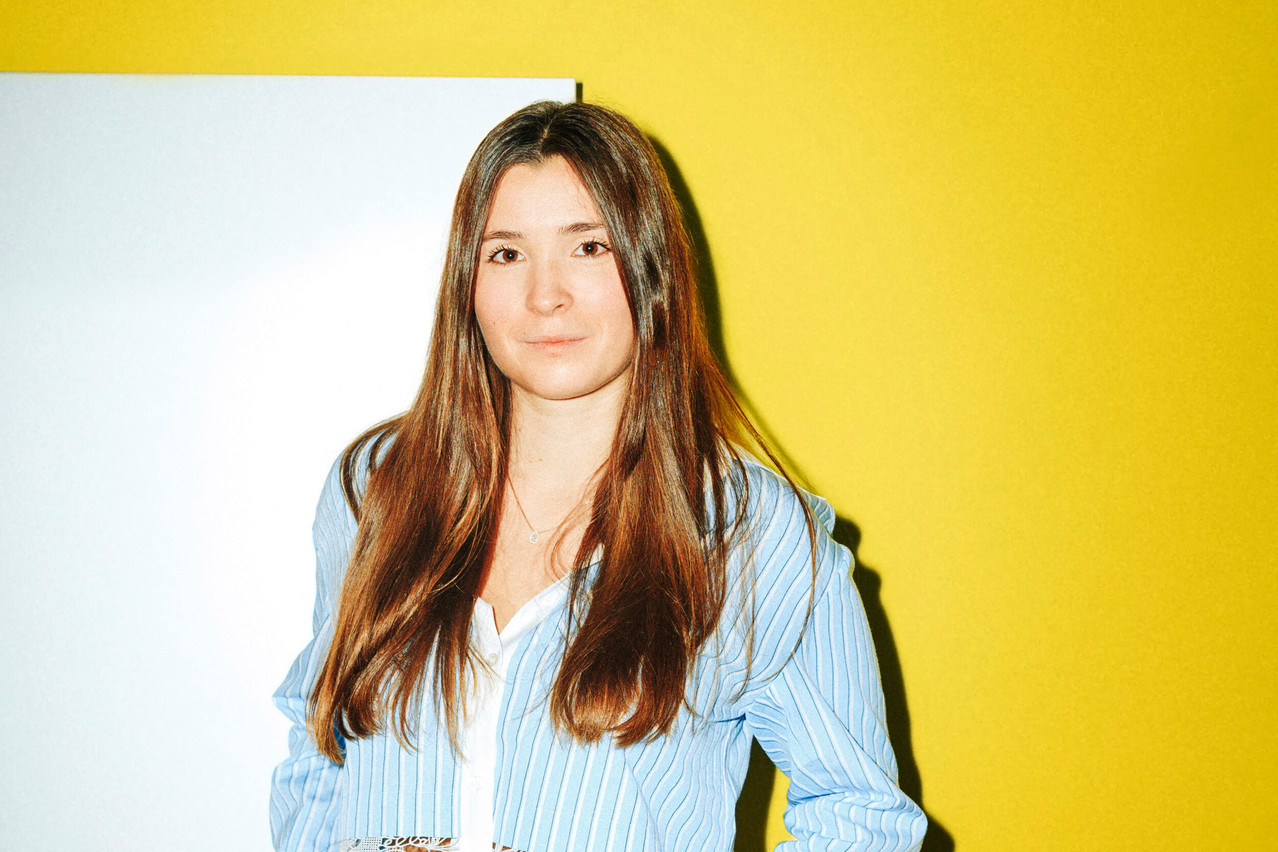
How did you end up working in micronutrition after studying economics?

When I finished my studies, I wondered which direction to take my career in. The shop in Dudelange was doing well, but there was no comparable business in Luxembourg City. With my parents’ help, I opened Le Comptoir de la santé on Place de France in Belair at the end of 2017. Three years later, the shop moved to Route d’Arlon in Strassen.
What sets Le Comptoir de la santé apart?
“We have chosen to maintain a physical, multi-brand shop. Healthcare professionals can recommend products from different brands. Without a business like ours, customers would sometimes have to place multiple orders. With us, they can find all these products in one place.
Above all, being there in person allows us to take the time to explain the recommendations and answer any questions. When someone leaves a consultation, they haven’t necessarily taken in all the information they’ve been given. Our role is to support them right through to the end and ensure they receive follow-up care.
The shop also hosts naturopathic consultations and offers treatments such as lymphatic drainage and Swedish massage. I wanted to create a soothing space where people could find a range of wellbeing services.
We can explain the various options, recommend a practitioner or follow up on an existing recommendation, but we cannot replace a medical consultation.

How did you gain your expertise in this field?
“I’ve been immersed in micronutrition since I was a child, but it’s also a field in which you need to keep learning. We regularly take part in training courses and meetings with healthcare professionals. The shop team also attends these training sessions so that they can provide consistent advice to customers.
Over time, discussions with professionals and feedback from customers have reinforced my decision. They have also shown me how important it is to have a thorough understanding of the products. Dietary supplements should not be recommended at random: you need to understand the individual’s needs and know when to refer them to a healthcare professional.
Where exactly does your team’s role end?
“Anyone can come to the shop, but we need to be aware of the limits of the support we can provide. When someone has a complex medical condition or needs medical tests, we refer them to a healthcare professional. Blood tests, for example, are a medical matter.
We can explain the various options, recommend a practitioner or support an existing recommendation, but we are no substitute for a medical consultation. The shop’s philosophy is based on three elements: listening, advice and follow-up.
This family-oriented aspect remains very important to the way we operate.

What is the position of your Euroform brand?
“Euroform is a family-run brand founded in 1998. It now comprises around 160 products. We are continuing to develop the brand with the help of three scientific advisers who work with both shops. They pool their expertise to develop formulations and improve the products.
Alongside Euroform, we stock several brands, mainly from Luxembourg, France, Belgium and Spain. The multi-brand approach means we are not reliant on a single supplier and can offer a range of products in line with healthcare professionals’ recommendations.
Is Le Comptoir de la santé still a family-run business?
“Yes, even though the businesses are legally separate. The shop in Dudelange has been taken over by my brother, whilst I run the one in Strassen. We complement each other: he works mainly in southern Luxembourg and France, whilst I cover the centre of the country and am developing relationships with Belgium, Germany and Switzerland.
My father is also one of our scientific advisers. His work as a doctor enables him to stay in touch with the reality on the ground and to pass on the needs he observes. This family dimension remains very important to the way we operate.
How has the company developed since 2017?
“I started out on my own, and there are now three of us working in the shop, each with complementary areas of expertise. The business also relies on a member of staff responsible for training and liaising with healthcare professionals, as well as two scientific advisers.
Demand rose sharply during the pandemic, when more people began to take an interest in dietary supplements. It was, however, a very hectic period, as I had to keep the business running whilst looking after my team.
The main challenge was putting this team together. A shop that’s open from Monday to Saturday requires a great deal of organisation, and in a small business, every member of staff plays a vital role. It took me time and experience to achieve the balance we have today.
Would you like to open any more shops?
“My aim is not to become a huge organisation. I want to keep it on a human scale and maintain close ties with clients and healthcare professionals.
We nevertheless wish to continue our growth. We attend conferences in Belgium, France and Switzerland to meet new professionals. People living abroad can then order the products online. Opening shops in other countries remains a possibility, but only if we can maintain the same standard of training, advice and aftercare.”
This article was written for the October 2026 issue of Paperjam magazine, published on 16 September. The content is produced exclusively for the magazine. It is published on the site to contribute to Paperjam’s comprehensive archive. Click on this link to subscribe to the magazine.
Is your company a member of the Paperjam Club? You can request a subscription in your name. Please let us know via club@paperjam.lu.