For decades, cultural institutions measured success primarily through economic multipliers, visitor spending and box-office receipts. As European sustainability reporting evolves, however, organisations and their corporate partners face growing pressure to demonstrate culture’s wider contribution to social inclusion, community resilience and sustainable development.
Traditional economic models cannot fully capture these effects. Bilbao’s revival, for example, is often associated with the opening of the Guggenheim Museum Bilbao. Yet the museum formed part of a broader programme of infrastructure investment, public-sector collaboration and urban regeneration. The lesson is clear: cultural impact is significant, but it must be assessed in context.
Moving beyond basic financial metrics can strengthen governance, support fundraising and help companies within the scope of European sustainability rules explain the social effects of their cultural investments.
Beyond visitor numbers and box office receipts
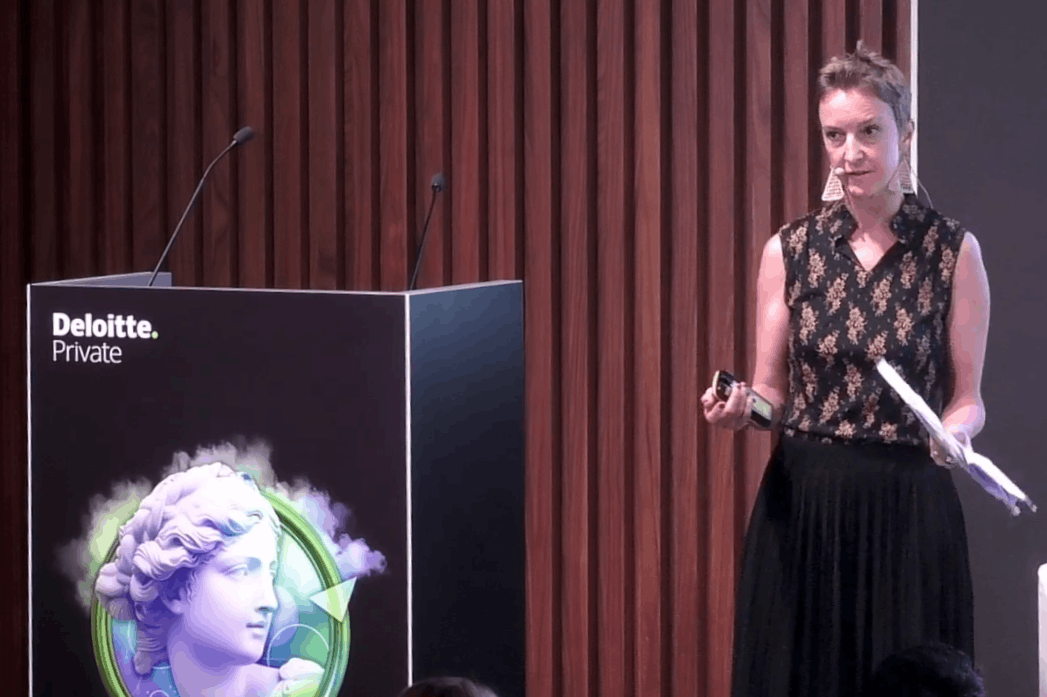
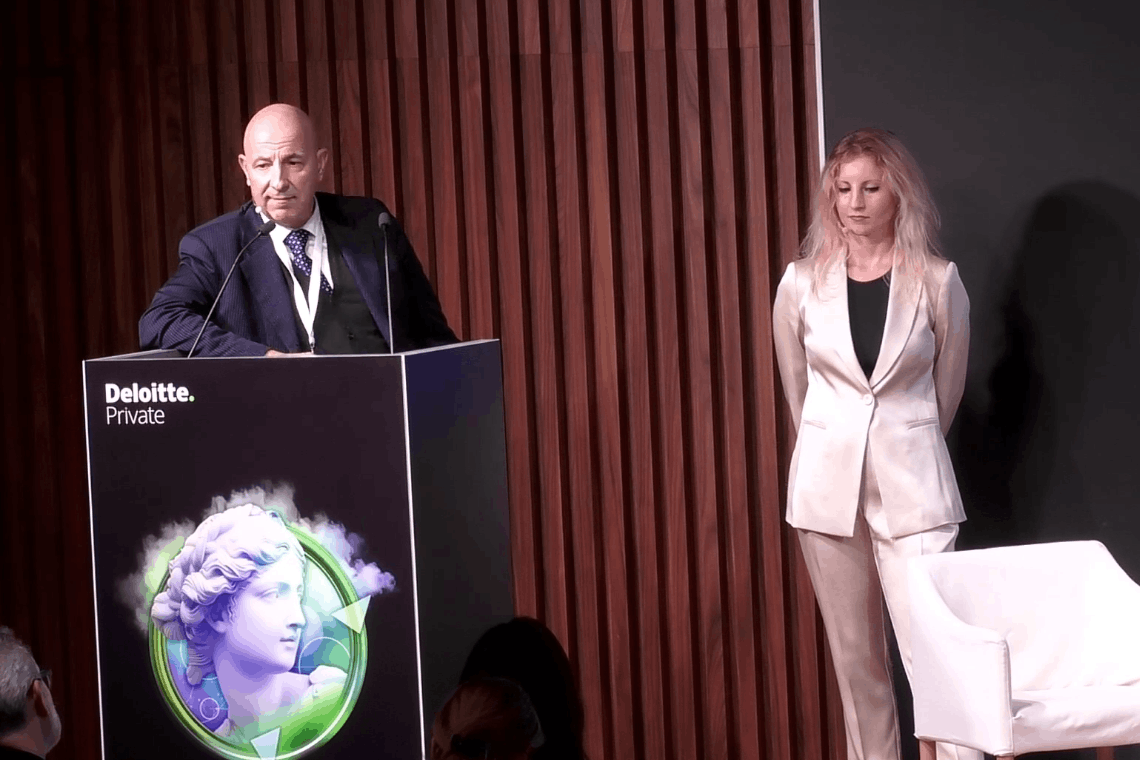
Cultural reporting has traditionally focused on direct economic returns, including visitor numbers, hotel occupancy and local spending. Roberta Ghilardi, Sustainability, Art & Finance Senior Manager at Deloitte, and Ernesto Lanzillo, Deloitte Private Leader, argued that this approach no longer provides a complete picture.
They delivered the conference’s second keynote, “Measuring What Matters: New Standards for Impact in the Arts and Culture,” via livestream at the Deloitte Private Art & Finance Conference in Venice on 27 October 2026.
European sustainability reporting requirements have increased demand for consistent information about environmental and social impacts. Corporate sponsors also want evidence that their funding produces meaningful outcomes rather than activity alone.
A Deloitte Foundation study of 100 Italian corporate foundations found that 68 published social reports. However, according to Ghilardi and Lanzillo, few assessed the social changes generated by their programmes. This exposes a persistent gap between reporting outputs—such as events held or people reached—and measuring outcomes such as improved access, participation or wellbeing.
New expectations require greater accountability
The UNESCO Culture 2030 Indicators offer one framework for addressing this gap. Developed in 2019, the framework contains 22 indicators across four dimensions: Environment & Resilience, Prosperity & Livelihoods, Knowledge & Skills, and Inclusion & Participation.
Measuring these dimensions requires structured and responsible data collection. Ticketing systems, for example, may provide demographic information that helps organisations assess who they reach. Such information is useful only when it is collected lawfully, interpreted against relevant population data and combined with evidence about the quality and longer-term effects of participation.
From spreadsheets to strategic platforms
Translating cultural activity into sustainability data also requires suitable systems. During the Parma Capital of Culture project, Ghilardi worked with approximately 500 spreadsheets. The experience contributed to the development of a digital platform designed to align project outputs with reporting standards and UNESCO indicators.
A common measurement system can turn fragmented operational data into information that funders and decision-makers can use. It also allows cultural organisations to explain their work in terms familiar to corporate sustainability teams.
Speaking the corporate language simplifies fundraising and turns raw data into a strategic asset. Research with the University of Pavia and Banca Generali established 140 indicators to integrate art assets into corporate sustainability reports.
Quantifying social value
Social return on investment (SROI) can help institutions express selected outcomes in monetary terms. An SROI ratio might indicate, for example, that an initiative generated an estimated €3 in social value for every €1 invested.
Used transparently, SROI can help donors and corporate sponsors understand complex benefits across large cultural portfolios. It can also show how culture contributes to outcomes such as skills development, social participation and community wellbeing.
Culture as the bedrock of global sustainability
In Vancouver, delegates from 179 nations debated adding an 18th Sustainable Development Goal (SDG) for culture. They concluded culture underpins all 17 UN SDGs by driving diversity and climate awareness, said Lanzillo.
Measuring cultural impact will never reduce culture to a spreadsheet. Done well, however, it can give cultural organisations stronger evidence of their contribution—and a stronger case for sustained investment.